TL;DR: The safest porcelain gifts are those certified lead-free and cadmium-free, ideally labeled “food-safe” or “vitreous” from reputable brands. Prioritize plain, undecorated interiors or glaze-over designs, and avoid gold or metallic rims to minimize heavy metal exposure with daily use.
Why Porcelain Safety Matters for Gifting
Porcelain is a beloved gift for weddings, housewarmings, and holidays, but not all ceramics are created equal. Low-fired or improperly glazed porcelain can leach lead, cadmium, and other heavy metals into food and beverages, especially when exposed to acidic drinks like coffee or tomato soup. Science shows that chronic low-level lead exposure is linked to cognitive decline and cardiovascular issues, making non-toxic choices a genuine health priority—not just a lifestyle trend. When shopping, look for pieces that explicitly state “lead-free” and “cadmium-free” on packaging or brand websites. Third-party certifications like California Prop 65 compliance or FDA food-safe standards are strong indicators of safety.
If you want to dig deeper, check out our guide on 10 Trendy Workwear Pieces That Are Actually Office-Appropria.
Top 10 Non-Toxic Porcelain Gift Ideas
1. Classic White Dinnerware Sets – Opt for high-fired vitreous porcelain with a clear, unpainted glaze. Brands like Fiestaware (lead-free since 1990s) or Heath Ceramics offer timeless, safe sets.
2. Hand-Painted Japanese Arita Ware – Traditional Arita porcelain uses underglaze pigments that are fired at high temperatures, locking in colors. Choose designs with plain white interiors.
3. Minimalist Mugs with Matte Glaze – Matte finishes often use safer mineral oxides. Avoid glossy, neon-colored interiors—stick to white or light gray inside.
4. Porcelain Teapots with Stainless Steel Infusers – A safe teapot should have a fully glazed inside and a metal (not ceramic) infuser to prevent hidden glaze cracks.
5. Bread and Serving Platters – Large flat pieces are less likely to be over-decorated. Choose solid earth tones or simple blue-on-white cobalt (cobalt is stable when properly fired).
6. Ramen or Soup Bowls with Wide Rims – Wide rims keep food away from painted edges. Check that the rim’s color is under the glaze, not on top.
7. Porcelain Salt and Pepper Shakers – Small items are often overlooked. Pick shakers with removable stainless steel tops and no exterior metallic paint.
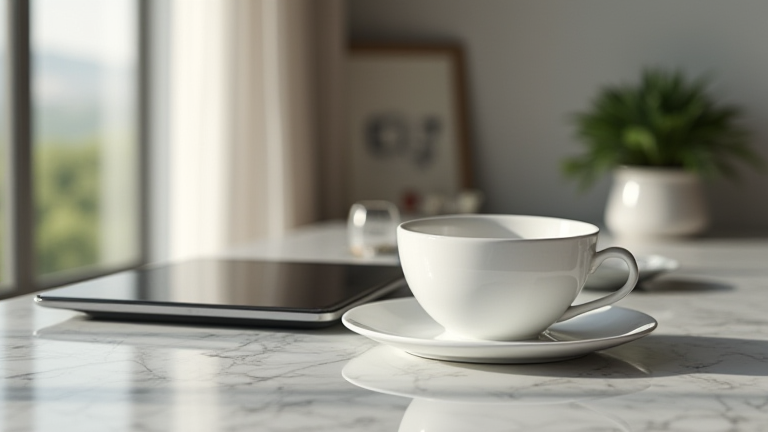
8. Espresso Cups and Saucers – Thicker porcelain cups are less prone to crazing (tiny cracks). Look for “stoneware-fired” or “fully vitrified” labels.
9. Porcelain Cake Stands – Choose a stand with a plain, unglazed bottom but fully glazed top surface. Avoid stands with gold or platinum bands—those often contain lead.
10. Customizable Porcelain Ornaments (Non-Food Use) – If gifting decorative pieces, they can be less strict, but still avoid lead-based paints. For food use, stick to the above.
Lifestyle Tips for Safe Porcelain Use
Even with safe porcelain, avoid microwaving pieces with metallic accents, as they can arc and release particles. Hand-wash all hand-painted items to preserve glaze integrity. If you inherit vintage porcelain, never use it for food—test kits are cheap but unreliable; better to display it. Also, remember that chipped or crazed porcelain should be retired from dining, as cracks harbor bacteria and expose unglazed clay.
FAQ
Q: Are all porcelain dishes from big-box stores safe?
A: No. Many budget brands import from factories with inconsistent firing. Always check for explicit lead-free labels or contact the manufacturer. When in doubt, buy from brands known for third-party testing.