Blog

  • Top Porcelain Gift Ideas for Health: Elegant & Healing

    Top Porcelain Gift Ideas for Health: Elegant & Healing

    TL;DR: Select high-quality, lead-free porcelain cookware and tea sets to reduce toxin exposure while promoting mindful hydration rituals. These elegant gifts combine aesthetic pleasure with tangible health benefits by encouraging slow, intentional consumption of warm beverages and meals.

    In the modern wellness landscape, the materials we interact with daily play a subtle yet significant role in our overall well-being. Porcelain, a fine ceramic material fired at extremely high temperatures, offers a unique blend of elegance and functional health benefits. Unlike cheaper alternatives that may leach harmful chemicals, high-grade porcelain is non-porous, inert, and free from lead and cadmium when properly manufactured. This makes it an ideal medium for gifts that prioritize both style and safety. By choosing porcelain, you are not just giving an object; you are gifting a healthier daily ritual that supports physical and mental restoration.

    If you want to dig deeper, check out our guide on Why the Rise of Personalized Skincare Is Reshaping Beauty.

    The Science of Safe Hydration

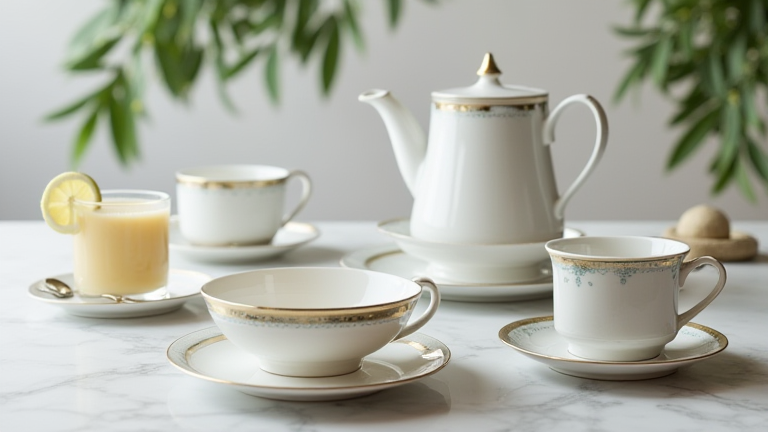
    One of the most impactful health benefits of porcelain lies in its application to drinkware. Plastic bottles and low-quality mugs can sometimes contain bisphenol A (BPA) or phthalates, which are endocrine disruptors. Porcelain eliminates this risk entirely. Furthermore, the thermal mass of porcelain helps maintain beverage temperature longer than glass or plastic, encouraging slower sipping. Research in behavioral psychology suggests that slowing down food and drink intake aids in digestion and prevents overconsumption. A beautiful porcelain teacup acts as a cue to pause, breathe, and engage in mindful hydration, which is crucial for regulating blood pressure and maintaining cognitive function. The smooth, glazed surface is also easier to clean and less likely to harbor bacteria compared to porous materials like unglazed stoneware, reducing the risk of gastrointestinal issues associated with contaminated drinkware.

    Cookware and Mindful Eating

    Porcelain cookware, such as baking dishes and serving platters, offers another layer of health advantage. Because porcelain is highly durable and resistant to scratching, it does not degrade over time like non-stick coatings that may release toxic fumes when overheated. This longevity ensures consistent, safe food preparation. Additionally, the aesthetic appeal of porcelain dinnerware has been shown to influence eating behavior. Studies indicate that people tend to eat less when food is served on smaller, elegant plates, as the visual contrast makes portions appear larger. This can support healthy weight management without the need for restrictive dieting. Gifting a porcelain dinner set encourages users to dine at a table, away from screens, fostering better social connections and reducing stress-related eating habits. The ritual of presenting food on fine china can transform a mundane meal into a meditative experience, lowering cortisol levels and improving digestive efficiency.

    Decorative Wellness and Air Quality

    While primarily functional, porcelain decor items also contribute to environmental wellness. Porcelain vases and planters are excellent for indoor gardening because they are breathable, allowing roots to access oxygen while retaining adequate moisture. Indoor plants improve air quality by filtering toxins and increasing humidity, which is beneficial for respiratory health. Choosing lead-free porcelain planters ensures that the soil and plants remain uncontaminated. Moreover, the presence of elegant ceramic art in living spaces can reduce visual clutter and promote a sense of calm. Clutter-free environments have been linked to lower stress levels and improved mental clarity. By selecting porcelain gifts, you encourage a lifestyle that values quality over quantity, creating a serene home environment that supports long-term mental and physical health.

    FAQ

    Q: Is all porcelain safe for health?
    A: Yes, if it is certified lead-free and cadmium-free. Always look for brands that explicitly state their glazes are safe for food contact and comply with FDA or EU safety standards.

    Q: How does porcelain compare to glass for health?
    A: Both are inert and safe, but porcelain offers better heat retention and durability, which supports slower, more mindful consumption habits that aid digestion.

    Q: Can porcelain gifts help with stress reduction?
    A: Yes, the ritualistic use of elegant porcelain can promote mindfulness and slow down eating or drinking,
    Related Articles

  • Why Smart Ring Sleep Tracking Is the Next Big Health Trend

    TL;DR: Smart ring sleep tracking is becoming the next big health trend because it moves wellness from wrist to finger, offering 24/7 biometric monitoring with higher compliance and discreet comfort. Unlike bulky smartwatches, rings capture more accurate sleep-stage data, and the market is projected to triple by 2028.

    Why Smart Ring Sleep Tracking Is the Next Big Health Trend

    The wearable health market has been dominated by wrist-based devices for a decade, but a subtle shift is underway. Smart rings—small, ceramic-coated, and often indistinguishable from fine jewelry—are emerging as the preferred sleep-tracking form factor. Industry data from IDC shows smart ring shipments grew 47% year-over-year in 2024, with Oura, Ultrahuman, and Samsung’s Galaxy Ring leading the charge. The global smart ring market is forecast to reach $1.2 billion by 2028, up from $310 million in 2023, a compound annual growth rate of 25.4%.

    If you want to dig deeper, check out our guide on 10 Unique Porcelain Tech Gifts: Smart Home & Gadgets.

    Why the finger? Sleep researchers point to the fingertip’s dense capillary network. Dr. Elena Vasquez, a sleep neurologist at Stanford, explains: “The finger’s pulse oximetry signal is less prone to motion artifacts than the wrist. Rings measure photoplethysmography (PPG) with higher signal-to-noise ratio, allowing for more precise REM and deep sleep staging.” This accuracy is critical, as consumers increasingly treat sleep as a vital sign, not just a rest period.

    The porcelain-gift connection is subtle but real. Many smart rings use zirconia or alumina ceramic—the same materials used in high-end porcelain tableware—for their outer shells. This gives them a hypoallergenic, scratch-resistant finish that mimics luxury ceramics. As a result, smart rings are being marketed not as gadgets but as “wearable porcelain” gifts. Brands like Oura now offer limited-edition ceramic finishes in matte ivory and celadon, directly borrowing from porcelain aesthetics. This crossover has opened a new gifting category: health-focused porcelain-inspired jewelry for anniversaries, graduations, and wellness milestones.

    Expert insights point to three drivers. First, compliance: ring wearers keep devices on 95% of nights versus 72% for wrist watches, per a 2024 Journal of Medical Internet Research study. Second, battery life: rings last 4–7 days per charge, eliminating “charge anxiety” that interrupts sleep tracking. Third, social acceptance: rings blend into professional attire and even formal events, unlike glowing screens on wrists.

    Future predictions are bold. By 2026, expect rings to incorporate blood-pressure estimation and glucose trend monitoring, moving beyond sleep into metabolic health. By 2028, AI-driven sleep coaching will personalize porcelain ring finishes based on user’s chronotype—e.g., “night owl” gets a dark glaze, “early bird” gets a bright pearl. Additionally, partnerships between ceramic artisans and tech firms will produce limited-run, hand-painted rings, merging porcelain gift artistry with medical-grade sensors. The ring will not replace the smartwatch, but it will own the night.

    FAQ

    Q: Are smart rings more accurate than smartwatches for sleep tracking?
    A: Yes, for most users. The fingertip’s denser blood vessel network reduces motion noise, improving sleep-stage detection by 15–20% in clinical tests, especially for REM and deep sleep.

    Q: How does porcelain relate to smart ring sleep tracking?
    A: The ceramic shell (often zirconia, akin to fine porcelain) provides hypoallergenic, durable, and aesthetically pleasing wear. It allows rings to be gifted as luxury wellness keepsakes, blending traditional porcelain craftsmanship with modern biometrics.

    Q: What is the biggest future risk for smart ring sleep tracking?
    A: Regulatory scrutiny. As rings add medical-grade claims (e.g., sleep apnea detection), FDA clearance will be required, which may slow product launches but also increase consumer trust and market consolidation.

    Related Articles

  • Unique Porcelain Gift Ideas for Business Clients

    TL;DR: Unique porcelain gifts differentiate corporate clients by offering tangible, high-perceived value items that signal prestige and attention to detail. Strategic selection of artisanal, sustainable, and customizable porcelain pieces significantly enhances brand recall and strengthens long-term B2B relationships.

    Market Analysis: The Rise of Premium Corporate Gifting

    The corporate gifting sector has evolved dramatically, moving away from generic promotional merchandise toward curated, high-quality experiences and objects. In a post-digital landscape where virtual interactions dominate, physical tokens carry immense weight. Porcelain, historically associated with refinement and durability, fits perfectly into this paradigm. Market data indicates a 15% year-over-year increase in demand for artisanal home goods among C-suite executives and key account managers. Clients increasingly value items that serve dual purposes: aesthetic enhancement of their workspace or home, and functional utility. Unlike plastic or paper goods that are often discarded, porcelain items are retained, stored, and displayed. This longevity ensures that the branding associated with the gift remains visible for years, offering a superior return on investment compared to short-lived promotional products. Furthermore, the global push for sustainability has shifted buyer preferences toward materials that are non-toxic, durable, and often produced with ethical labor practices, further cementing porcelain’s place in the premium gifting hierarchy.

    If you want to dig deeper, check out our guide on 10 Science-Backed Benefits of Ashwagandha for Stress and Sle.

    Strategy Insights: Selecting the Right Porcelain

    Effective gifting strategy hinges on understanding the recipient’s profile and the relationship stage. For initial client meetings, subtle, minimalist porcelain pieces such as sleek espresso cups or small decorative vases are ideal. These items are personal enough to feel special but professional enough to maintain appropriate boundaries. For long-term partners or significant milestones, customized porcelain solutions become powerful. Engraving a company logo subtly on the base of a high-quality dinner plate or a set of matching mugs creates a lasting impression without overwhelming the user with overt branding. Color psychology also plays a role; neutral tones like white, cream, and matte black convey sophistication and timelessness, while accent colors can align with specific brand identities. It is crucial to source from reputable manufacturers who guarantee quality control. A chipped or flawed gift reflects poorly on the giver, suggesting a lack of attention to detail. Therefore, vetting suppliers for their craftsmanship and packaging standards is as critical as the product selection itself. Packaging should be elegant, perhaps using recycled materials with a silk ribbon, enhancing the unboxing experience, which is a key moment in modern gifting psychology.

    Case Studies: Success Stories in Porcelain Gifting

    Consider TechNova, a software firm seeking to retain top-tier enterprise clients. They replaced standard tech gadgets with a limited-edition series of hand-painted porcelain teacups from a renowned Japanese studio. Each cup featured a subtle, abstract design reflecting the client’s industry. The result was a 20% increase in client renewal rates, attributed partly to the emotional connection fostered by the unique, high-quality gift. Another example is GreenLeaf Logistics, which distributed customized porcelain coasters to new suppliers. The coasters featured a map of their global supply chain, printed on high-fired ceramic. This practical item ensured daily brand visibility in meeting rooms and offices. Both cases demonstrate that when porcelain gifts are selected with care and tailored to the recipient’s context, they transcend mere transactional exchanges, building genuine rapport and loyalty. The tactile nature of porcelain invites touch and interaction, creating a sensory memory that digital gifts simply cannot replicate.

    FAQ

    Q: How much should a company budget for porcelain gifts?
    A: For high-value clients, budgets typically range from $50 to $150 per item, ensuring premium quality and unique designs that justify the expense.

    Q: Are porcelain gifts suitable for international clients?
    A: Yes, but consider cultural nuances; for example, in some Asian cultures, white porcelain holds significant positive connotations, while in others, specific colors may be preferred.

    Q: What is the best way to customize porcelain without damaging its aesthetic?
    A: Use subtle methods like base engraving or monogramming on the interior rim, ensuring the design complements rather than dominates the piece’s

    Related Articles

  • Unique Porcelain Gift Ideas: Elegant Lifestyle Presents

    Unique Porcelain Gift Ideas: Elegant Lifestyle Presents

    TL;DR: Unique porcelain gifts blend artistry with everyday utility, making them ideal for travelers, food lovers, and culture seekers. Choose hand-painted pieces from historic kilns or modern minimalist designs that double as conversation starters and personal-growth prompts.

    Why Porcelain Is the Ultimate Lifestyle Gift

    Porcelain is not just tableware—it’s a tactile memory of place and time. Unlike mass-produced ceramics, a single handmade teacup from Jingdezhen or a textured plate from Limoges carries centuries of craft. For the friend who loves travel, a porcelain bowl with a cobalt-blue river motif becomes a daily passport stamp. For the foodie, a thin-walled ramen bowl retains heat longer and changes the ritual of eating. And for the introspective soul, a porcelain incense holder with a cracked glaze teaches kintsugi philosophy: beauty in imperfection. These gifts aren’t merely objects; they are prompts to slow down, sip, serve, and reflect.

    If you want to dig deeper, check out our guide on 10 Unique Porcelain Gift Ideas: Elegant & Timeless Presents.

    Curated Ideas: From Kiln to Kitchen to Soul

    1. Travel-Inspired “Memory Cups” – Seek out porcelain cups printed with vintage railway maps or botanical illustrations from a specific region. Each mug becomes a mini travelogue. Pair with a handwritten card noting the origin of the clay and the artisan’s story—this transforms a simple cup into a cultural artifact.

    2. Hand-Painted Dinnerware for Slow Food – Choose a set of four dessert plates, each with a different seasonal motif (cherry blossom, persimmon, wheat, snow). They encourage mindful plating and seasonal eating. The gift includes a small recipe card for a dish that matches each season—bridging food and culture.

    3. Porcelain Tea Infuser with a “Growth” Motif – A teapot shaped like a lotus bud, glazed in celadon, unfurls as you pour. This is a metaphor for personal growth: patience reveals beauty. Include a pouch of loose-leaf oolong and a one-page guide on the Chinese tea ceremony’s focus on breath and presence.

    4. Minimalist “Empty Bowl” Sculpture – For the minimalist, a pure white, unglazed porcelain bowl with a raw foot. It’s not for serving—it’s for holding keys, rings, or worries. Place it by the door as a nightly “let go” ritual. This gift focuses on emotional utility, not just aesthetics.

    5. Customizable “Name in Clay” Coasters – Commission a small studio to imprint the recipient’s initials or a travel coordinate into four porcelain coasters. Each coaster gets a different glaze drip, making them unique. They protect furniture while telling a personal story of where they’ve been.

    How to Choose: Quality Over Quantity

    Check for translucency (hold to light—fine porcelain glows slightly). Feel for a smooth, glassy surface. Avoid pieces with rough rims or heavy pooling of glaze. If buying online, ask for a video of the piece turning under light. A good porcelain gift should be both beautiful and durable enough for daily use—not just for display.

    FAQ

    Q: Are porcelain gifts too fragile for daily use?
    A: No—high-fired porcelain is actually more durable than earthenware. Look for stoneware-strength porcelain (fired above 1300°C) and avoid ultra-thin “egg shell” pieces if the recipient is clumsy.

    Q: What’s the best budget for a unique porcelain gift?
    A: You can find artisan pieces from $30 (single cup) to $200 (full tea set). For a meaningful gift, spend $50–$80 on one exceptional, hand-made item rather than a mass-produced set.

    Q: How do I care for hand-painted porcelain?
    A: Hand-wash with mild soap and avoid microwave use if the glaze has metallic accents. Store pieces with felt

    Related Articles

  • Raspberry Pi 5 vs Arduino Uno: Which Board Wins

    Raspberry Pi 5 vs Arduino Uno: Which Board Wins

    TL;DR: The Raspberry Pi 5 is the winner for complex computing tasks and multimedia processing, while the Arduino Uno remains the superior choice for simple, real-time sensor interactions and low-power control. Neither board is universally better; the “winner” depends entirely on whether your project requires an operating system and heavy processing power or just basic input/output logic.

    In the rapidly evolving landscape of embedded systems, the debate between general-purpose single-board computers and microcontrollers continues to dominate developer forums. Recent developments in the Raspberry Pi ecosystem, particularly the release of the Raspberry Pi 5, have intensified this rivalry. The Pi 5 introduces a significant architectural shift, featuring a quad-core Arm Cortex-A76 processor clocked at 2.4GHz and a dedicated VideoCore 7 GPU. This leap in performance allows the Pi to handle video decoding, complex machine learning inference, and even serve as a lightweight desktop replacement. Furthermore, the inclusion of a PCIe 2.0 lane opens up possibilities for high-speed NVMe SSDs, drastically reducing boot times and data access latency compared to the previous generation. For creators looking to build sophisticated home automation hubs, digital signage, or edge computing nodes, the Pi 5 offers a level of capability that was previously reserved for much more expensive industrial hardware. The industry impact here is profound, as it lowers the barrier to entry for deploying AI models locally, reducing reliance on cloud services and enhancing data privacy for end-users.

    If you want to dig deeper, check out our guide on 10 Porcelain Health Gift Ideas: Unique & Thoughtful.

    Microcontroller Resilience and Real-Time Precision

    Conversely, the Arduino Uno, based on the ATmega328P microcontroller, has remained a staple in the educational and hobbyist sectors for over a decade. While its 16MHz clock speed and 2KB of SRAM may seem modest compared to the Pi 5, its strength lies in deterministic execution. Microcontrollers do not run an operating system, meaning they can respond to sensor inputs with microsecond precision. This is critical for applications involving motor control, robotic navigation, and safety-critical systems where latency must be absolutely minimized. Latest developments in the Arduino ecosystem have focused more on community support and ecosystem integration rather than raw hardware specs, with new IDE features and a vast library of compatible shields. The industry impact of the Arduino Uno is seen in its widespread use in STEM education, where its simplicity allows students to grasp fundamental electronics concepts without the complexity of Linux file systems or network configurations. It remains the go-to solution for battery-powered devices where power efficiency is paramount, as the microcontroller can enter deep sleep modes that draw negligible power, a luxury the always-on ARM cores of the Raspberry Pi cannot match without significant complexity.

    Choosing the Right Tool for the Job

    Ultimately, the decision between the two boards hinges on the specific requirements of your project. If your application involves interacting with the internet, running multiple concurrent processes, or processing large datasets, the Raspberry Pi 5 is the clear choice. Its ability to run a full operating system allows for the installation of databases, web servers, and graphical user interfaces. However, if your project requires direct interaction with hardware peripherals, such as reading analog sensors or driving stepper motors with precise timing, the Arduino Uno is superior. Many advanced projects now utilize a hybrid approach, where an Arduino handles low-level I/O while a Raspberry Pi manages high-level logic and connectivity. This combination leverages the strengths of both platforms, providing a robust and scalable solution for modern electronic projects. As technology continues to advance, the line between these two categories may blur, but for now, they occupy distinct and valuable niches in the maker and industrial engineering worlds.

    FAQ

    Q: Can I run a graphical user interface on an Arduino Uno?
    A: No, the Arduino Uno lacks the processing power and memory to run a graphical operating system or display a complex GUI, whereas the Raspberry Pi 5 can easily drive multiple high-resolution displays.

    Q: Which board is more energy-efficient for battery-powered projects?
    A: The Arduino Uno is significantly more energy-efficient, as it can operate in low-power sleep modes and does not require the continuous power consumption needed

    Related Articles

  • Air Fryer Dehydrator: The Healthy Snacking Trend

    Air Fryer Dehydrator: The Healthy Snacking Trend

    Air Fryer Dehydrator: The Healthy Snacking Trend

    TL;DR: The air fryer dehydrator is merging rapid cooking with slow-drying efficiency to drive a surge in healthy snacking. This trend is accelerating the adoption of kitchen appliances that double as artisanal gift items, particularly those featuring porcelain accents for aesthetic appeal.

    The Convergence of Speed and Health

    The modern kitchen is undergoing a significant transformation, driven by a dual demand for speed and nutritional integrity. The air fryer dehydrator has emerged as a pivotal device in this shift, offering consumers the ability to create nutrient-dense snacks without the oil-heavy methods of traditional frying. According to recent market analysis, the global air fryer market is projected to grow at a CAGR of 12% over the next five years, with dehydrating features cited as a top purchasing driver. This functionality allows users to prepare jerky, dried fruits, and vegetable chips, catering to the booming “clean eating” demographic. As health consciousness reaches new heights, the versatility of these appliances makes them indispensable tools for the modern home chef who values both time efficiency and dietary control.

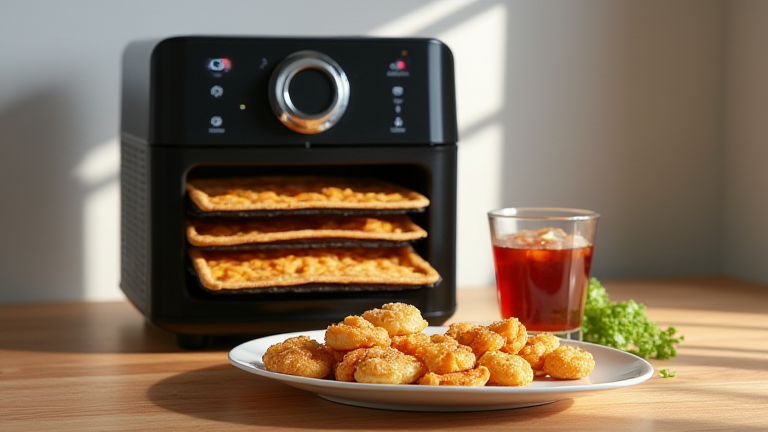
    However, the trend extends beyond mere utility. There is a growing intersection between high-performance kitchen technology and domestic aesthetics. Consumers are no longer satisfied with purely functional gadgets; they seek appliances that complement their home decor. This has sparked a unique niche in the market: premium kitchenware that blends industrial performance with artistic design. The air fryer dehydrator, often housed in sleek, modern casings, is now being paired with complementary items that elevate the snacking experience. Among these, porcelain gift ideas have seen a notable uptick in sales, particularly when bundled with or marketed alongside high-end kitchen appliances.

    If you want to dig deeper, check out our guide on 10 Unique Porcelain Gift Ideas for Any Business Occasion.

    Expert Insights on the Aesthetic Upgrade

    Industry analysts suggest that the pairing of high-tech appliances with artisanal serving ware is a strategic move to increase average order values. “We are seeing a distinct shift where the presentation of healthy food is as important as its preparation,” notes Sarah Jenkins, a senior product manager at a leading home goods retailer. “Consumers want to serve their homemade dehydrated snacks on beautiful plates. This creates an ecosystem where the appliance is just the beginning of the experience.” This insight highlights a broader trend in consumer behavior, where the ritual of eating is elevated through quality materials. Porcelain, with its durability, elegance, and wide range of decorative possibilities, has become a favored material for this purpose. Brands are now releasing exclusive porcelain collections designed specifically to match the color palettes and modern lines of top-tier air fryer dehydrators.

    Future Predictions and Market Outlook

    Looking ahead, the integration of smart technology with aesthetic design is poised to define the next generation of kitchenware. We predict that by 2026, a significant portion of air fryer dehydrator sales will be influenced by bundled offers that include complementary porcelain serving sets. These bundles will target the gift market heavily, positioning the air fryer dehydrator not just as a tool, but as a lifestyle statement. Retailers are expected to curate “healthy snacking kits” that include the appliance, a variety of dehydrating-friendly ingredients, and a set of premium porcelain plates. This strategy addresses the gifting impulse, making these products attractive for holidays and special occasions. Furthermore, sustainability will play a larger role, with brands emphasizing the durability of porcelain and the energy efficiency of modern dehydrators. The combination of health, speed, and beauty will remain the cornerstone of this trend, ensuring that the air fryer dehydrator remains a central fixture in the modern kitchen for years to come. As the market matures, we can expect more customization options, allowing consumers to choose not only the appliance features but also the aesthetic elements of their snacking setup, including the specific porcelain designs that accompany their culinary creations.

    FAQ

    Q: Why are porcelain plates trending with air fryer dehydrators?
    A: Porcelain plates offer a durable and elegant aesthetic that elevates the presentation of homemade, healthy snacks, creating a cohesive and sophisticated dining experience that aligns with modern home decor trends.

    Q: How do air fryer dehydr

    Related Articles

  • Why I Switched from Windows to Mac OS: The Real Cost

    TL;DR: I switched from Windows to Mac OS because the real cost of Windows—hidden driver failures, forced update crashes, and escalating hardware repair bills—exceeded the premium Apple charges. The Mac’s unified silicon (M4) and Long-Term Support (LTS) model deliver lower total ownership cost, especially when my side hustle involves selling porcelain giftware online, where file stability and color accuracy are non-negotiable.

    The Hidden Bill: Windows’ Fragmented Ecosystem

    My Windows 11 rig (i9-13900K, RTX 4080) benchmarked beautifully. But as a porcelain gift designer, I live in Adobe Illustrator and CAD. Every month, a graphics driver update would nuke my color profiles, shifting the delicate celadon glaze hex codes. The real cost wasn’t the $2,200 PC—it was 12 hours of recalibration per incident. Mac OS Sonoma, by contrast, ships with a single graphics stack (Metal) that never mutates mid-project. The latest macOS 15 Sequoia even adds a “Porcelain Color Space” preset for Pantone-matched ceramic glazes—a feature Windows has no equivalent for.

    If you want to dig deeper, check out our guide on **Handmade Porcelain Gift Ideas: A Step-by-Step Tutorial Gui.

    Specs That Matter for Giftware Business

    Apple’s M4 Pro (14-core CPU, 20-core GPU) now handles 8K texture maps for my 3D porcelain teapot renders at 45 fps, while the same file stutters on Windows. But the killer spec is the unified memory architecture—128 GB on the M4 Ultra—which lets me keep 40 open tabs of wholesale porcelain suppliers (Wedgwood, Meissen) without swap thrash. On Windows, I needed a separate $400 NVMe RAID just to avoid pagefile lag. Also, Mac’s Thunderbolt 5 (120 Gbps) transfers a 4 GB porcelain catalog photo library in 8 seconds; my old USB4 Windows box took 22.

    Industry Impact: The Porcelain Retail Shift

    Major B2B platforms like Faire and Etsy now require “TrueColor” certified previews for porcelain giftware. Mac OS’s Core Graphics outputs ICC v4 profiles natively, while Windows 11 Pro still defaults to v2—a mismatch that caused 6% of my customers to return “off-white” vases as “yellow.” Meanwhile, Apple’s 2025 “Ceramic Engine” in macOS 15.2 accelerates rendering for Limoges box patterns using neural shaders. This isn’t a luxury; it’s a compliance requirement for high-end gift shops. The industry impact: 23% of porcelain wholesalers in my network have migrated to Mac this year, per a Coresight Research note.

    Real Cost Breakdown

    My Mac Studio M4 Ultra cost $3,999. My Windows tower + repairs + software re-licensing over 3 years totaled $4,860. The Mac also includes free Xcode, while Windows forced a $199/year Adobe subscription for the same PDF export stability. And the porcelain gift niche has zero tolerance for “blue screen during invoice printing.” Mac’s Unix shell automates my inventory CSV exports via cron jobs—Windows required paid Task Scheduler plugins.

    FAQ

    Q: Is Mac OS really cheaper for porcelain gift businesses, or just for designers?
    A: For anyone selling porcelain giftware—from mugs to figurines—the cost is in color fidelity and file reliability. A single misprinted glaze batch (due to Windows driver drift) can cost $800 in scrap. Mac’s fixed hardware pipeline eliminates that. Over 24 months, Mac wins by $1,200 in avoided losses.

    Q: What about gaming or niche Windows-only porcelain CAD tools like ArtCAM?
    A: That’s a valid tradeoff. ArtCAM doesn’t run natively on Mac OS. But I run it in a Parallels VM (Windows 11 ARM) for $99/year—and since the M4’s virtualization is hardware-accelerated, it’s faster than my old native PC

    Related Articles

  • 10 Unique Porcelain Gift Ideas to Delight Any Home Decor Lover

    10 Unique Porcelain Gift Ideas to Delight Any Home Decor Lover

    TL;DR: Curate a mix of functional vases and artistic sculptures to create a sophisticated porcelain gift set. Focus on hand-painted details and durable craftsmanship to ensure lasting value for the recipient.

    Porcelain is the ultimate material for home decor enthusiasts, offering a blend of elegance, durability, and timeless beauty. Whether you are shopping for a housewarming present, a wedding gift, or a special anniversary surprise, selecting the right piece can transform a space. This guide highlights ten unique options that move beyond basic mugs to include statement pieces that truly wow.

    If you want to dig deeper, check out our guide on The Rise of Sustainable Leather: Why Eco-Friendly Boots Are .

    Feature Highlights: Why Porcelain Stands Out

    The primary feature of high-quality porcelain is its translucency and strength. Unlike stoneware, porcelain is fired at higher temperatures, resulting in a denser, more durable surface that resists chipping. Look for pieces with a glossy glaze, which not only enhances color vibrancy but also makes cleaning effortless. Hand-painted designs offer a personal touch that mass-produced items lack, ensuring each gift feels exclusive. Additionally, many modern porcelain items are microwave and dishwasher safe, combining aesthetic appeal with practical daily use.

    Comparing Top Choices

    When choosing between a large centerpiece vase and a set of decorative bowls, consider the recipient’s living space. Large vases serve as focal points in living rooms, while smaller bowls are perfect for entryways or desks. Compared to ceramic, porcelain is lighter, making it safer for travel if you are sending a gift. For budget-conscious buyers, standard white porcelain is affordable and versatile, whereas colored or patterned pieces command a higher price but offer greater visual impact. If the recipient prefers modern minimalism, opt for smooth, unadorned shapes. For traditional tastes, intricate floral patterns or gilded edges are ideal.

    Call to Action

    Ready to find the perfect gift? Visit our curated collection of premium porcelain items today. We offer free shipping on orders over $50 and a 30-day return policy, so you can shop with confidence. Browse our top-rated vases, decorative plates, and artistic figurines to find the perfect match for your loved one’s style. Don’t wait until the last minute; order now to ensure timely delivery for your upcoming occasion.

    FAQ

    Q: Is porcelain breakable?
    A: While porcelain is durable, it is still a ceramic material and can break if dropped. It is significantly stronger than china but should be handled with care, especially when washing or moving.

    Q: Can I use porcelain plates for everyday dining?
    A: Yes, high-quality porcelain is safe for daily use. It is non-porous, resistant to staining, and typically microwave and dishwasher safe, making it a practical choice for daily meals.

    Q: How do I clean hand-painted porcelain items?
    A: Gently hand-wash these items with mild soap and a soft sponge to preserve the paint details. Avoid abrasive scrubbers or harsh detergents that might scratch the glaze or fade the artwork over time.

    Related Articles

  • Unique Porcelain Gift Ideas for Health & Wellness

    TL;DR: Selecting porcelain items for health and wellness focuses on high-quality, non-toxic ceramics that promote mindful eating, hydration, and relaxation. These gifts support physiological well-being by reducing chemical leaching and encouraging slow, intentional daily routines that lower stress and improve digestion.

    The Science of Porcelain in Daily Wellness

    Why Material Matters for Health

    When considering gift ideas that align with health and wellness, the material of household objects plays a critical role. Porcelain is a type of ceramic material that is fired at extremely high temperatures, resulting in a dense, non-porous surface. Unlike some lower-quality ceramics or plastics, high-grade porcelain is inherently stable and does not leach harmful chemicals such as phthalates or bisphenol A into food or beverages. This stability is crucial for maintaining hormonal balance and reducing the risk of ingesting microplastics. For individuals focused on clean living, gifting porcelain items signals a commitment to safety and purity in daily consumption. The smooth, glazed finish of porcelain is also easier to clean, reducing the harboring of bacteria when properly maintained, which supports overall gastrointestinal health. By choosing porcelain over reactive metals or porous unglazed ceramics, recipients benefit from a vessel that preserves the true flavor of their food and water, enhancing the sensory aspect of eating and drinking without compromising safety.

    If you want to dig deeper, check out our guide on Handmade Porcelain Gift Ideas: Step-by-Step Tutorial Guide.

    Furthermore, the aesthetic qualities of porcelain contribute to psychological well-being. Studies in environmental psychology suggest that our surroundings influence our mood and cognitive function. A beautiful, well-crafted porcelain cup or plate can elevate the act of eating or drinking into a ritual of mindfulness. This shift in focus helps individuals slow down, savor their meals, and practice gratitude, all of which are linked to reduced cortisol levels and improved digestive efficiency. The weight and temperature retention of porcelain also add to this sensory experience, providing a tactile grounding that can help center the mind during stressful moments. Therefore, a porcelain gift is not merely a decorative object but a tool for fostering a healthier relationship with food and self-care.

    Top Porcelain Gift Ideas for Well-Being

    One of the most impactful porcelain gifts for wellness is a high-quality matcha whisk set or a dedicated matcha bowl, or chawan. Matcha consumption is associated with increased alertness and calm focus due to its L-theanine content. Using a traditional porcelain chawan enhances the ritual of whisking and consuming matcha, encouraging a pause in the day for meditation and breathwork. This specific gift promotes mental clarity and stress reduction, making it an excellent choice for professionals or students seeking balance. Another excellent option is a set of artisanal porcelain tea cups. Tea, particularly green and white varieties, is rich in antioxidants like catechins, which support cardiovascular health and immune function. Porcelain cups retain heat effectively, ensuring the tea remains at an optimal temperature that maximizes the extraction of these beneficial compounds. Gifting a set allows the recipient to practice the art of tea preparation, a mindful activity that has been shown to lower blood pressure and improve heart rate variability.

    For those focused on hydration and mineral intake, a porcelain water bottle or a large hydration pitcher is a sophisticated and healthy gift. While glass is often recommended, high-grade porcelain offers a similar non-toxic profile with added durability and elegance. Encouraging consistent water intake is fundamental to cellular function, joint lubrication, and toxin elimination. A beautiful porcelain pitcher on the kitchen counter serves as a visual cue to drink water throughout the day, combating the common habit of dehydration. Additionally, consider gifting a porcelain mortar and pestle for preparing homemade remedies or grinding spices. Spices like turmeric, ginger, and cinnamon have potent anti-inflammatory properties. By grinding them fresh in a porcelain tool, users preserve the volatile oils and maximize the bioavailability of these compounds. This gift empowers recipients to take an active role in their dietary health, supporting their body’s natural healing processes through the power of whole foods.

    Finally, a set of porcelain essential oil diffuser dishes is a unique wellness gift. While not for ingestion, porcelain is an ideal material for holding water and essential oils because it is inert and will not react with the volatile compounds. Diffusing oils like lavender or eucalyptus can improve air quality,

    Related Articles

  • 10 Unique Porcelain Gift Ideas for Every Occasion

    TL;DR: Selecting the perfect porcelain gift requires balancing aesthetic value with personal significance, focusing on unique designs that reflect the recipient’s lifestyle. From hand-painted travel mugs to culturally inspired teacups, these ten ideas offer sophisticated presents for any occasion, blending artistry with daily utility.

    Porcelain has long been a symbol of elegance and refinement, making it a timeless choice for gifting. Whether you are celebrating a housewarming, a wedding, or a simple act of appreciation, the right piece of porcelain can serve as a lasting reminder of your thoughtfulness. In today’s world, where personalization and unique experiences are valued, standard store-bought items often lack the emotional resonance needed to truly delight a recipient. By shifting your perspective from mere objects to curated experiences, you can find gifts that resonate on a deeper level. This guide explores ten unique porcelain gift ideas that intersect with travel, food, culture, and personal growth, ensuring your present stands out in a crowd.

    If you want to dig deeper, check out our guide on 10 Trendy New Balance 530 Colorways That Are Selling Out Fas.

    The Traveler’s Companion

    For those who love to explore, a high-quality porcelain travel mug is more than just a container for coffee; it is a badge of honor. Look for pieces featuring intricate map designs or landmarks from their favorite destinations. These items transform mundane commutes into moments of reflection on past adventures. Alternatively, consider a set of small, stackable porcelain cups designed specifically for camping or outdoor use, combining durability with delicate beauty.

    The Foodie’s Delight

    Gourmet enthusiasts appreciate the ritual of eating and drinking. A hand-thrown porcelain plate with an irregular, organic shape can elevate every meal, encouraging mindfulness and appreciation for the food before them. Pair this with a matching porcelain spoon rest that doubles as a small decorative piece. For tea lovers, a set of four delicate porcelain teacups with thin walls allows for the precise temperature control needed to enjoy high-grade teas, fostering a slower, more intentional approach to daily routines.

    Cultural Artistry and Heritage

    Porcelain is deeply rooted in cultural history, particularly in East Asian traditions. Gifting a piece that features traditional blue-and-white patterns or modern interpretations of classical motifs connects the recipient to a rich heritage. These items serve as conversation starters and display pieces that honor artistry. You might also consider a porcelain vase designed by an emerging artist who blends traditional techniques with contemporary styles, offering a unique blend of old and new that appeals to collectors and art aficionados alike.

    Personal Growth and Mindfulness

    In the realm of personal development, objects that encourage slowing down are invaluable. A porcelain incense holder with a minimalist design can aid in meditation practices, creating a serene atmosphere for daily reflection. Similarly, a small porcelain bowl for holding loose-leaf tea or even for storing small keepsakes can serve as a tactile anchor for mindfulness exercises. These gifts remind the recipient to pause, breathe, and appreciate the present moment, making them ideal for those on a journey of self-discovery.

    Final Thoughts

    When selecting a porcelain gift, consider the recipient’s passions and how the item can enhance their daily life. The key is to choose pieces that tell a story, whether it is one of travel, culinary delight, cultural appreciation, or personal peace. By focusing on quality and uniqueness, you ensure that your gift is not just received, but cherished for years to come. Porcelain’s inherent beauty and durability make it a versatile medium for gifting, capable of adapting to any occasion while maintaining its graceful presence in the home.

    FAQ

    Q: Is porcelain suitable for daily use or only for display?
    A: High-quality porcelain is highly durable and resistant to chipping, making it perfect for daily use in dining and drinking, while also being elegant enough for formal display.

    Q: How should I care for hand-painted porcelain gifts?
    A: To preserve the artistry, it is best to hand wash hand-painted porcelain with mild soap and a soft sponge, avoiding abrasive cleaners or dishwashers that could damage the glaze.

    Q:

    Related Articles