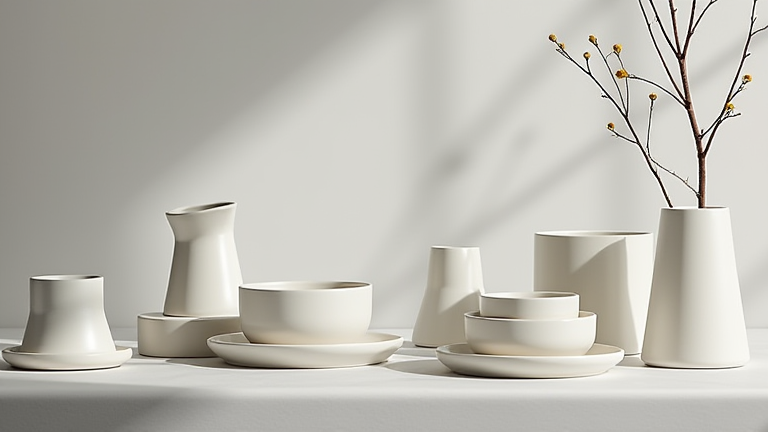
TL;DR: Porcelain is a chemically inert, non-porous material that prevents the leaching of heavy metals and synthetic compounds into your food and water. Choosing high-quality porcelain gifts for your home replaces plastic and porous ceramics, creating a safer, more hygienic environment that supports long-term physical well-being.
The Science of Inert Materials
Our modern living spaces are filled with materials that can subtly impact our health. Plastics often contain bisphenol A (BPA) or phthalates, which are endocrine disruptors. Similarly, lower-quality glazed ceramics may contain lead or cadmium in their glazes, which can leach into acidic foods over time. Porcelain, however, is fired at extremely high temperatures, typically above 1,200 degrees Celsius. This process creates a vitrified, glass-like structure that is both non-porous and chemically stable. Unlike porous stoneware or earthenware, porcelain does not absorb liquids or odors. This means it does not harbor bacteria or mold in microscopic crevices, making it a superior choice for hygiene and toxin-free living. By selecting porcelain, you are choosing a material that interacts neutrally with your food and beverages, preserving their natural taste and nutritional integrity without introducing foreign chemicals.
If you want to dig deeper, check out our guide on Unique Tech Porcelain Gift Ideas: 10 Creative & Personalized.
Seven Toxin-Free Porcelain Gifts for a Healthier Home
When selecting porcelain gifts, look for products labeled as “lead-free” and “cadmium-free.” Here are seven specific ideas that promote wellness through material safety.
First, consider a set of high-fired porcelain mugs. These are ideal for hot coffee or tea, ensuring that no metallic glaze components migrate into your morning brew. Second, a porcelain water bottle is a fantastic gift for hydration. Unlike plastic bottles, porcelain does not retain the smell of previous contents and does not release microplastics, even when filled with hot water. Third, a porcelain food storage container set is excellent for meal prep. Glass is often recommended, but porcelain is less prone to chipping and offers a similar chemical inertness, making it durable for long-term use.
Fourth, gift a porcelain cutlery set. Traditional cutlery is often made from stainless steel, which is generally safe, but some low-grade alloys can leach nickel, causing allergic reactions in sensitive individuals. Porcelain cutlery eliminates this risk entirely while providing a unique aesthetic. Fifth, a porcelain tea set is perfect for those who practice mindfulness. The purity of the material ensures that delicate tea flavors are not compromised by metallic aftertastes. Sixth, consider porcelain soap dispensers. Plastic dispensers can degrade over time, releasing microplastics into your soap and subsequently into your skin. Porcelain remains stable and clean, supporting better hygiene practices.
Seventh, a porcelain humidifier is a thoughtful wellness gift. Many humidifiers use plastic tanks that can harbor mold if not cleaned meticulously. While porcelain tanks are heavier, they are non-porous and easier to sanitize, ensuring that the air you breathe is free from bacterial byproducts. Each of these items serves a dual purpose: they elevate the aesthetic of your home while actively reducing your daily exposure to potential toxins.
Lifestyle Tips for Maintaining Porcelain
To maximize the health benefits of porcelain, proper care is essential. Avoid using abrasive sponges that can scratch the surface, as scratches can trap dirt and bacteria. Instead, wash items with mild soap and a soft cloth. If you are buying second-hand porcelain, check for any cracks or chips. Damaged porcelain can be a breeding ground for bacteria and may indicate structural instability. Additionally, while porcelain is generally safe, ensure that any decorative paints used on the exterior are food-safe if the item will be washed in contact with food. By integrating these toxin-free materials into your daily routine, you create a holistic approach to home wellness that prioritizes safety and purity.
FAQ
Q: Is all porcelain safe from toxins?
A: Not necessarily. Always verify that the specific brand states the glaze is lead-free and cadmium-free, as unregulated or very old ceramics may contain heavy metals.
<p
Leave a Reply