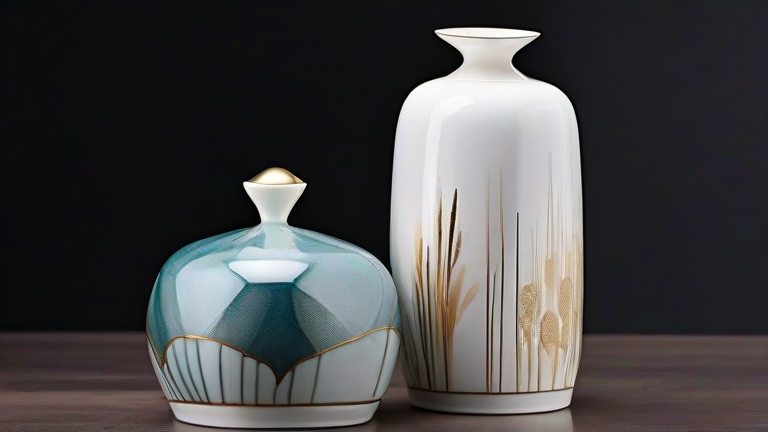
TL;DR: Yes, porcelain gifts can be genuinely health-promoting if chosen for lead-free, food-safe materials and functional wellness uses (like hydration or portion control). Prioritize certified glazes, minimalist designs, and items that encourage mindful eating or drinking habits.
Why Porcelain, Not Just Pretty?
Porcelain is non-porous, which means it doesn’t harbor bacteria or absorb flavors like porous ceramics or plastic. Science shows that using non-toxic, inert materials reduces exposure to endocrine-disrupting chemicals (like BPA or phthalates) often found in plastic containers. When selecting porcelain, look for “lead-free” and “cadmium-free” glazes—many artisanal or imported pieces may contain these heavy metals, which can leach into acidic foods or hot beverages. A simple home test: check for certification (e.g., FDA or Prop 65 compliance) or ask the maker for a glaze safety data sheet.
If you want to dig deeper, check out our guide on Why Every D2C Brand Is Adopting Interactive Product Configur.
Elegant Gift Ideas That Boost Daily Health
1. Porcelain Tea or Soup Set for Mindful Hydration. A two-cup set with a lid encourages slow sipping, which aids digestion and reduces stress. Hot water or herbal tea in a lead-free, glazed porcelain cup can help maintain core temperature and promote a calming ritual—research links mindful drinking to lower cortisol. Gift a set with a small bamboo tray to anchor the habit.
2. Portion-Control Porcelain Bowls. Studies show that eating from smaller, heavier bowls reduces calorie intake by up to 20% without feeling deprived. Choose a 6-ounce, thick-walled porcelain bowl with a smooth rim. The weight and warmth signal satiety to the brain. For a practical gift, pair it with a matching plate—this visually cues balanced portions (half vegetables, quarter protein, quarter starch).
3. Porcelain Water Carafe with Glass Lid. A 1-liter carafe encourages daily water consumption. Unlike plastic, porcelain won’t release microplastics, and the opaque material blocks light, preserving any added electrolytes or lemon slices. Place it on a desk or bedside table—visibility increases intake by up to 30% per behavioral studies.
Lifestyle Tip: The “One Touch” Rule
When gifting porcelain, avoid ornate, high-relief designs—they trap bacteria and are hard to clean. Instead, choose smooth, glossy finishes. Advise the recipient to hand-wash with mild soap, and never microwave porcelain with metallic rims (can cause arcing and release metal ions). For longevity, avoid thermal shock: don’t put cold porcelain directly into a hot oven.
FAQ
Q: Is all porcelain safe for food and hot drinks?
A: No. Some low-fired or decorative porcelain contains lead or cadmium in the glaze. Always verify “food-safe” labeling, and if uncertain, use a lead test swab (available at hardware stores) before gifting for daily use.
Q: Can porcelain improve sleep or stress?
A: Indirectly, yes. A warm porcelain mug for chamomile tea or a small bedside carafe for water can reinforce calming bedtime routines. The weight and thermal stability of porcelain also reduce spill risk and noise, lowering nighttime arousal.
Q: What’s the best way to clean porcelain to keep it hygienic?
A: Wash with warm water and mild dish soap, then air-dry. Avoid abrasive scrubbers that can scratch the glaze, creating micro-crevices for bacteria. For stubborn stains, use baking soda paste—never bleach or metal scourers.
Leave a Reply