Blog

  • Healthy Porcelain Gift Ideas: Safe, Non-Toxic & Stylish

    Healthy Porcelain Gift Ideas: Safe, Non-Toxic & Stylish

    TL;DR: Yes, porcelain gifts can be both safe and stylish—choose certified lead-free, cadmium-free, and food-grade porcelain (look for FDA or California Prop 65 compliance) to avoid toxic glaze leaching. Prioritize minimalist, high-fired pieces (cone 10+) that are chip-resistant, and pair them with functional wellness items like tea sets or dinnerware for a health-conscious present.

    Why Porcelain Matters for Health (Not Just Aesthetics)

    Porcelain is a type of ceramic fired at extremely high temperatures (1,200–1,400°C), making it denser and less porous than stoneware or earthenware. This density is key: properly vitrified porcelain resists moisture absorption, which means less bacterial growth and fewer cracks where harmful substances can hide. However, not all porcelain is created equal. The risk comes from glazes—decorative finishes that may contain lead, cadmium, or other heavy metals to achieve bright colors or metallic sheens. When acidic foods (coffee, tomato sauce, citrus) contact these glazes, metals can leach into your meal. Over time, chronic lead exposure is linked to neurological and cardiovascular issues, while cadmium affects kidney and bone health. For a gift, always choose porcelain labeled “food-safe,” “lead-free,” or “cadmium-free,” and ideally one that meets Proposition 65 standards (California’s strict toxic chemical disclosure).

    If you want to dig deeper, check out our guide on Why Liquid Gold: The Rise of Saffron in High-End Skincare.

    Science-Backed Selection Criteria for Safe Porcelain

    Before you buy, check three things. First, the firing temperature: high-fired (vitreous) porcelain is safer because it’s less likely to have surface micro-cracks. Second, the glaze finish: glossy, smooth glazes are better than matte or textured ones, which can contain metallic additives and are harder to clean. Third, the decoration placement: avoid painted designs on the inside rim or food contact surface—stick to exterior-only patterns. A 2020 study in the Journal of Environmental Health found that over 20% of imported ceramic mugs tested positive for lead leaching, even when labeled “decorative.” So, when gifting, opt for plain white or underglaze-decorated pieces from reputable brands that publish third-party lab results (e.g., Le Creuset, Emile Henry, or Japanese brands like Noritake).

    Lifestyle Gift Ideas That Boost Daily Wellness

    1. Porcelain Tea Set for Mindful Hydration: A high-fired porcelain gaiwan or teapot with matching cups encourages slow, ritualistic tea drinking—linked to reduced cortisol and improved focus. Pair with loose-leaf green tea (rich in L-theanine) for a stress-reducing gift. Ensure the set is lead-free, especially if the user will steep hot water, which increases leaching potential.

    2. Porcelain Dinnerware for Portion Control: Gift a set of 8-inch plates (not 12-inch). Research from Cornell University shows that smaller plates reduce calorie intake by up to 22% without conscious effort. Choose a stone-white or light blue glaze—these colors contrast with food, enhancing satiety cues. Avoid dark red or yellow glazes, which may contain iron or cadmium pigments.

    3. Porcelain Water Bottle or Infuser: A porcelain-lined steel bottle or a small porcelain infuser for herbal teas (chamomile, peppermint) provides a non-plastic, non-aluminum alternative. Unlike stainless steel, porcelain doesn’t impart metallic taste, and it’s inert, meaning no BPA or endocrine disruptors. For best results, select one with a silicone sleeve for grip and shock absorption.

    Caring for Porcelain to Maintain Safety

    Even the safest porcelain can become risky if damaged. Micro-cracks or crazing (fine spiderweb lines in glaze) create breeding grounds for bacteria and allow leaching. Advise the recipient to hand-wash porcelain—dishwasher detergents are abrasive and can erode glaze. Avoid thermal shock (e.g., placing a cold plate into a hot oven). If you see chips or cracked glaze, retire the piece
    Related Articles

  • Handmade Porcelain Gift Ideas: A Step-by-Step DIY Tutorial

    Handmade Porcelain Gift Ideas: A Step-by-Step DIY Tutorial

    Handmade Porcelain Gift Ideas: A Step-by-Step DIY Tutorial

    TL;DR: Create unique porcelain gifts by shaping kaolin clay into custom forms, bisque firing, and applying vibrant glazes. Follow precise temperature schedules to ensure durability and a glossy, professional finish for your recipients.

    Preparation and Materials

    Begin by gathering high-quality porcelain clay, which is known for its white color and translucency when thin. You will also need a wire tool for cutting, a sponge, a ribbon tool for smoothing, and various brushes for application. Ensure your workspace is clean and protected, as porcelain can be messy when wet. If you do not own a kiln, consider partnering with a local studio or using a shared firing service. This initial setup is crucial because porcelain requires specific conditions that standard home ovens cannot provide.

    If you want to dig deeper, check out our guide on 10 Best Tech Gadgets for Remote Workers: Laptops, Docks, and.

    Shaping Your Piece

    Start by wedging the clay to remove air bubbles, which can cause explosions during firing. Roll out an even slab or center a ball on the wheel for your chosen design. Common gift ideas include mugs, coasters, or small figurines. Keep the walls relatively thick, as porcelain is fragile when thin. Use a sponge to keep the surface moist and workable. Smooth out any ridges with a rib tool to ensure a uniform thickness. Once shaped, let the piece dry slowly under a plastic bag to prevent cracking. This slow drying phase is essential for maintaining structural integrity before the first firing.

    Firing and Glazing

    After the piece is bone dry, place it in the kiln for a bisque firing. This process turns the clay into a porous ceramic that is ready for glazing. Set your kiln to reach approximately 1000 degrees Celsius, which is standard for porcelain. Once cooled, mix your glaze to a creamy consistency. Dip or brush the glaze onto the bisqueware. Porcelain reacts uniquely to glazes, often creating a glassy, translucent effect. You can layer different colors for depth, but ensure the bottom of the piece is unglazed to prevent it from sticking to the kiln shelf. Apply a thin, even coat to avoid running or pooling.

    Final Firing and Finishing

    Return the glazed piece to the kiln for the final glaze firing. This requires a higher temperature, usually around 1300 degrees Celsius, to melt the glaze completely. Be patient during this long cycle. After cooling, inspect your gift for any imperfections. If satisfied, wrap it securely in bubble wrap for gifting. Add a personal note explaining the craftsmanship. Your handmade porcelain gift is now ready to be enjoyed, offering a timeless and durable keepsake that reflects your personal effort and artistic skill.

    FAQ

    Q: Can I fire porcelain in a regular oven?
    A: No, porcelain requires temperatures far exceeding the capacity of standard household ovens, making a dedicated ceramic kiln mandatory.

    Q: How long does the entire process take?
    A: The total time ranges from two to four weeks, accounting for slow drying, bisque firing, glazing, and the final glaze firing cycle.

    Q: Is porcelain safe for food use?
    A: Yes, once fully fired and glazed with food-safe materials, handmade porcelain is non-porous and safe for holding beverages and food.

    Related Articles

  • Handmade Porcelain Gift Ideas: Step-by-Step Tutorial Guide

    Handmade Porcelain Gift Ideas: Step-by-Step Tutorial Guide

    Handmade Porcelain Gift Ideas: Step-by-Step Tutorial Guide

    TL;DR: Create stunning handmade porcelain gifts by mastering the basics of clay preparation, sculpting, and glazing techniques. Follow this step-by-step guide to produce personalized mugs, vases, or plates that serve as unique, long-lasting keepsakes for any recipient.

    Materials and Preparation

    Before you begin sculpting, gather your essential materials. You will need high-quality porcelain clay, which is known for its fine texture and translucency when fired. Other necessities include a cutting wire, modeling tools, a sponge, a plastic sheet, and access to a kiln or a local pottery studio. Porcelain clay is more delicate than stoneware, so it requires careful handling. Knead the clay thoroughly to remove air bubbles, a process called wedging. This ensures structural integrity and prevents explosions during the firing process. Let the clay rest for a few hours to reach plastic equilibrium, which makes it easier to work with without cracking.

    If you want to dig deeper, check out our guide on How AI Avatars Are Reshaping Real Estate Video Marketing.

    Shaping Your Gift

    Choose a gift idea that suits your skill level. A simple ceramic mug is ideal for beginners, while intricate vases or personalized plates offer more advanced challenges. For a mug, roll the clay into a uniform cylinder and cut it into even coils. Stack these coils to form the body, using a ribbon tool to create a smooth exterior. For a vase, use the pinching method, starting with a ball of clay and gradually stretching it upward while pinching the rim to create an opening. Ensure all pieces are centered properly. If you are making a plate, roll out the clay thinly and use a circle template to cut the shape. Add small feet to the bottom to prevent warping during firing. Personalize your gift by carving initials or simple patterns into the leather-hard clay using needle tools.

    Drying and Bisque Firing

    After shaping, your porcelain piece must dry slowly to prevent cracking. Cover it loosely with plastic and allow it to dry in a shaded, low-humidity area for at least three to five days. The clay should look gray and feel light when dry. Once bone dry, place the piece in the kiln for the bisque firing. This process cures the clay into a porous ceramic state. For porcelain, the bisque temperature is typically around 1800 degrees Fahrenheit. This step is crucial because it removes chemical water from the clay body, making it sturdy enough for glazing.

    Glazing and Finishing

    Glazing adds color and a waterproof seal to your handmade porcelain gift. Mix your chosen glaze to a consistency similar to heavy cream. Dip the bisque-fired piece into the glaze, ensuring full coverage. For a two-tone effect, use a brush to apply a secondary color. Wipe the bottom of the piece with a dry cloth to prevent the glaze from melting onto the kiln shelf. Allow the glazed piece to dry completely before the final firing. The glaze firing temperature for porcelain is higher, usually between 2200 and 2300 degrees Fahrenheit. This high heat causes the glaze to melt and bond with the clay, creating a glassy, durable surface. Let the kiln cool naturally before removing your finished gift.

    FAQ

    Q: Can I fire porcelain in a home oven?
    A: No, porcelain requires extremely high temperatures that standard home ovens cannot achieve. You must use a dedicated electric or gas kiln available at local pottery studios or schools to properly bisque and glaze porcelain pieces.

    Q: How do I prevent my porcelain gift from cracking?
    A: Prevent cracks by wedging the clay thoroughly, drying the piece slowly under loose plastic cover, and ensuring it is completely bone dry before bisque firing. Avoid rapid temperature changes during the cooling process as well.

    Q: What are the best glazes for white porcelain?
    A: White porcelain pairs beautifully with vibrant, translucent glazes like cobalt blue, celadon green, or clear

    Related Articles

  • 10 Unique Porcelain Gift Ideas: Elegant & Personalized

    10 Unique Porcelain Gift Ideas: Elegant & Personalized

    TL;DR: These ten unique porcelain gifts blend timeless artistry with modern personalization, offering everything from hand-painted tea sets to custom photo plaques. They elevate any occasion by turning functional ceramics into cherished keepsakes, with prices ranging from $25 to $180.

    Why Porcelain? The Gift of Lasting Grace

    Unlike fleeting gadgets or perishable flowers, porcelain endures—literally. Fired at over 1,200°C, it resists chipping, staining, and fading, making it a metaphor for lasting affection. What sets these ten picks apart is their dual identity: they are both usable tableware and sculptural art. Whether you’re shopping for a wedding, housewarming, or milestone birthday, porcelain’s translucent quality catches light and compliments in ways ceramic or stoneware cannot replicate.

    If you want to dig deeper, check out our guide on Top 10 Porcelain Gift Ideas: A Step-by-Step Buying Guide.

    Feature Highlights: The Top 10 Unique Porcelain Gifts

    1. Hand-Painted Botanical Mug Set (Set of 4) – Each mug features a different herb illustration (rosemary, thyme, sage, mint) in cobalt and sage glazes. The interior is pure white to show off your tea’s color. Highlight: Dishwasher-safe, but hand-washing preserves the fine brushwork.

    2. Personalized Family Recipe Platter – A 14-inch oval platter with a laser-etched border that you customize with a family name or a favorite saying. The glossy finish makes it a centerpiece for holiday roasts. Highlight: Edge-to-edge glaze means no rough spots.

    3. Miniature Porcelain Succulent Planters (Triple Set) – These thumb-sized pots mimic real terracotta but with a bone-white finish. Each has a drainage hole and a cork base to protect tabletops. Highlight: Comes with pre-printed care cards for the tiny succulents included.

    4. Zen Tea-For-One Set with Infuser – A 500ml teapot plus a matching cup, both with a wave-pattern relief. The infuser is a separate porcelain basket with fine holes—no metal aftertaste. Highlight: Lid doubles as a cup rest.

    5. Custom Portrait Vase (Tall, 10-inch) – Upload a photo, and an artist transfers it onto a matte porcelain vase using sublimation inks. The result is a subtle grayscale portrait, not a garish print. Highlight: Can be washed with mild soap; avoid abrasive scrubbers.

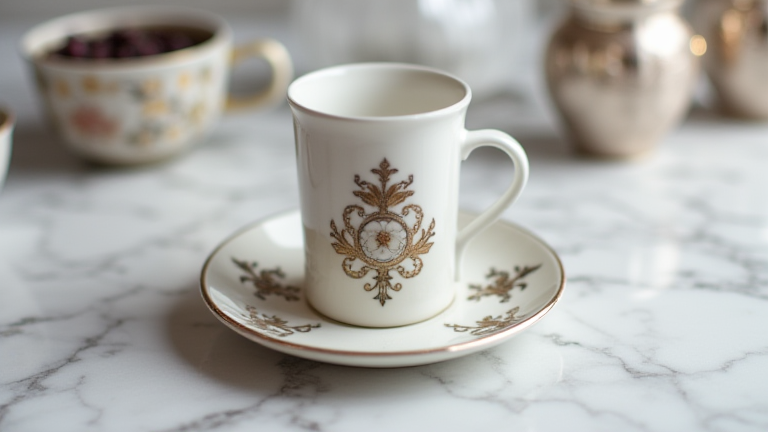
    6. Gold-Rimmed Espresso Cups (Set of 6) – These 2.5-ounce cups feature a 24-karat gold band that is hand-applied and fired again for durability. The saucers have a recessed ring to keep cups stable. Highlight: Gold is food-safe and tarnish-resistant—just avoid microwaves.

    7. Porcelain Trinket Dish with Zodiac Engraving – A 4-inch dish with your recipient’s astrological sign carved into the base. The surface is ripple-textured, catching light as you move it. Highlight: Comes in a velvet pouch, ready for gifting.

    8. Two-Piece Soy Sauce & Dipping Set – A small cruet and a shallow dish, both with a crackle glaze that looks like antique celadon. The cruet’s spout is drip-proof. Highlight: Perfect for sushi lovers; weighs only 200g total.

    9. Engraved Memory Plate for Anniversaries – An 8-inch plate where you can engrave a date, a short message, or coordinates of a special place. The back is fully glazed, so it can hang on a wall or stand on a metal easel. Highlight: Laser engraving is permanent—no fading.

    10

    Related Articles

  • Painted Porcelain Gifts: A Step-by-Step DIY Tutorial for Beginners

    Painted Porcelain Gifts: A Step-by-Step DIY Tutorial for Beginners

    TL;DR: Transform plain white porcelain mugs or vases into unique gifts by sketching designs with pencil, painting them with specialized porcelain markers, and firing them in a kiln. This process allows for personalized, durable keepsakes that showcase your artistic creativity while preserving the elegance of the ceramic medium.

    Introduction to Porcelain Painting

    Creating painted porcelain gifts is a rewarding hobby that combines traditional craftsmanship with modern personalization. Whether you are making a custom wedding mug, a commemorative vase, or a set of elegant plates, porcelain offers a smooth, high-gloss canvas that holds color vibrantly. Unlike clay, which requires complex glazing processes, porcelain painting relies on specific pigments designed to bond with the fired surface. This guide is tailored for beginners who want to create professional-looking results without extensive prior experience. The key to success lies in patience, precise tool selection, and understanding the firing requirements for your chosen materials. By following these steps, you can produce gifts that are not only beautiful but also durable enough for daily use or long-term display.

    If you want to dig deeper, check out our guide on Why Matcha Lattes Are Replacing Coffee in Urban Cafes.

    Step 1: Preparation and Surface Cleaning

    Begin by selecting high-quality, white porcelain items that are free from defects. Inspect each piece under good lighting to ensure there are no cracks, chips, or uneven glazing. Thoroughly wash the items with warm water and mild dish soap to remove any factory oils, dust, or fingerprints. Rinse them well and dry them completely with a lint-free cloth. Any residue left on the surface can cause the paint to bubble or peel during the firing process. Ensure your workspace is clean and organized, with all necessary tools within reach. This preparation phase is critical because a pristine surface ensures optimal adhesion for your design.

    Step 2: Sketching Your Design

    Using a soft graphite pencil, lightly sketch your intended design directly onto the porcelain. Keep the lines faint, as they will be covered by the paint but serve as a guide for your brushstrokes. You can transfer digital designs by printing them on transparent paper and tracing over them. Take your time with this step, as correcting errors on fired porcelain is difficult. Focus on simple, clean lines for your first attempts. Complex details can be challenging for beginners, so starting with floral motifs, monograms, or geometric patterns is advisable. Ensure the sketch is centered and balanced on the item’s visible surface.

    Step 3: Applying the Paint

    Select porcelain paint pens or underglaze paints that are compatible with your firing method. For beginners, porcelain paint pens offer control and precision, minimizing mess. Load the pen or brush with a small amount of paint. Apply the first layer thinly and evenly. Allow the paint to dry completely before adding more layers if necessary. Avoid overloading the brush, as this can lead to drips or uneven coverage. Work in small sections to maintain control. If you are using multiple colors, apply them one at a time and let each dry to prevent smudging. Clean your tools frequently to maintain line quality. Remember that colors may appear slightly darker when wet but will lighten slightly after firing.

    Step 4: Firing and Finishing

    Once your design is fully dry, the item must be fired to bond the paint permanently. Most home-friendly porcelain paints require a kiln firing at specific temperatures, typically between 1400°F and 1500°F, depending on the manufacturer’s instructions. If you do not have access to a kiln, consider using cold-paint options that cure at room temperature, though these are less durable. Follow the cooling cycle carefully to avoid thermal shock. After firing, the surface should be glossy and smooth. If desired, you can apply a clear protective glaze for extra shine and durability. Package your finished gift in bubble wrap and a sturdy box to protect it during transport.

    FAQ

    Q: Can I use regular acrylic paint on porcelain?
    A: No, regular acrylic paint does not bond chemically with porcelain and will likely peel off after washing or firing. You must use specialized porcelain paints or underglazes designed for ceramics.</p

    Related Articles

  • 10 Elegant Porcelain Gift Ideas for a Chic Lifestyle

    TL;DR: For a chic lifestyle, porcelain gifts are the ultimate fusion of utility and art—think hand-painted dinnerware that doubles as wall décor or sculptural tea sets that anchor a slow-morning ritual. Choose pieces with cultural provenance or artisan stories to elevate gifting from mere object to meaningful experience.

    1. The Kyoto Yunomi Set

    For the friend who travels without leaving home, gift a set of six yunomi tea cups from Japan’s ancient kilns of Shigaraki. Each cup is thrown by hand, with subtle ash-glaze variations that mimic the texture of mossy river stones. This isn’t just drinkware; it’s a portable meditation on wabi-sabi—the beauty of imperfection. Pair it with a small tin of gyokuro tea, and you’ve given a ritual, not a product.

    If you want to dig deeper, check out our guide on 15 Beautiful Porcelain Gift Ideas for Every Occasion.

    2. Portuguese Azulejo Salad Plates

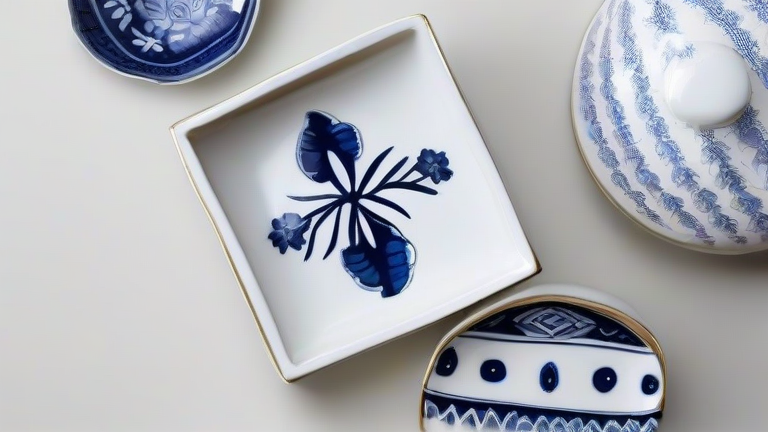
    Inspired by the blue-and-white tiles that line Lisbon’s facades, these porcelain plates are a conversation starter for dinner parties. The hand-painted cobalt patterns echo maritime history, while the raised rim keeps vinaigrette in place. They’re perfect for the host who loves Mediterranean flavors—serve grilled sardines or a citrus fennel salad, and watch the plates steal the show. A gift that whispers, “Let’s eat slowly, like we’re on vacation.”

    3. Sculptural Porcelain Vase (Bone China)

    Skip the bouquet; give the vessel. A modern, asymmetrical vase in matte bone china—think folded paper frozen in time—becomes a standalone sculpture on a console table. When filled with a single dried pampas stem, it transforms a hallway into a gallery. For a personal growth angle, include a handwritten note encouraging the recipient to “make space for empty beauty.” It’s a reminder that elegance often lives in what you don’t fill.

    4. Hand-Painted Berry Bowls from Oaxaca

    These small, footed bowls feature polychromatic floral motifs derived from Zapotec folk art. Use them for morning berries, but also for holding rings, paperclips, or turmeric powder. The gift here is versatility—a chic lifestyle thrives on objects that multitask without apology. The glaze is lead-free, food-safe, and each piece is signed by the artisan. It’s culture you can eat from.

    5. Minimalist Porcelain Travel Mug (with Lid)

    For the globetrotter who refuses disposable cups, a double-walled porcelain travel mug with a ceramic lid is the quiet luxury. It keeps espresso hot for two hours, but its real charm is the unglazed exterior that develops a patina from countless airport lounges. It’s a gift that says, “Your daily commute deserves the same care as a Kyoto tea ceremony.”

    6. Blue Willow Dinner Plates (Reimagined)

    Modern reinterpretations of the 18th-century Chinese-English pattern swap the classic narrative for abstract birds and pagodas. These plates are ideal for the culturally curious who love fusion cuisine—think miso-glazed salmon on a plate that tells a story of trade routes. Each piece is dishwasher-safe, making high culture actually low-maintenance.

    7. Porcelain Bell Jar Cloche

    Not just for cheese. A glass-clear porcelain cloche (with a subtle ribbed texture) protects a sourdough loaf, a vintage watch, or a small orchid. It’s a gift for the person who curates their kitchen like a museum. Use it to cover a morning croissant—then lift the dome to reveal “the unveiling ritual.” Elegance is just delayed gratification.

    8. Sake Set with Iridescent Glaze

    This two-piece set (flask + two cups) uses a rainbow-pink iridescence that catches candlelight. It’s perfect for a sake or plum wine tasting evening at home. The cultural angle: Japanese “kintsugi” philosophy of repairing cracks

    Related Articles

  • Handmade Porcelain Gift Ideas: Step-by-Step Tutorial for Beginners

    Handmade Porcelain Gift Ideas: Step-by-Step Tutorial for Beginners

    TL;DR: Create stunning porcelain gifts by mastering simple hand-building techniques like pinch pots and coil construction, focusing on clean lines and personalization. Use a clear glaze over bisqued pieces to achieve a professional, durable finish suitable for everyday use.

    Step-by-Step Porcelain Gift Tutorial

    Creating handmade porcelain gifts is a rewarding hobby that allows for deep personalization. Porcelain is known for its white color and translucency, making it perfect for elegant home decor items. Before you begin, ensure you have access to a kiln or a local pottery studio that offers firing services. This is the most critical step, as porcelain requires high temperatures to mature correctly. If you do not have your own kiln, plan your schedule around studio firing days to avoid delays in gifting your creations.

    If you want to dig deeper, check out our guide on 10 Best Porcelain Gift Ideas for Any Occasion.

    Start by preparing your workspace with a smooth, non-porous surface. Porcelain clay is very sticky and prone to drying out quickly, so keep a damp sponge nearby. For beginners, the pinch pot technique is the easiest entry point. Take a small ball of porcelain clay and roll it into a sphere. Use your thumb to press down from the center, creating a hole, and gently pinch the sides to form a bowl or vase. Keep the walls uniform to prevent cracking during the drying process. Allow the piece to dry slowly to bone dry state, which can take several days. Wrap it in plastic if the air is dry to prevent uneven drying.

    Once the piece is bone dry, carefully remove it from the surface. Any cracks at this stage are usually fixable by scoring the edges and using slip as a glue. After ensuring the piece is completely dry, it is ready for the first firing, known as bisque firing. This firing hardens the clay and makes it porous enough to accept glaze. After the bisque firing, the piece is ready to be glazed. Choose a clear glaze for a classic look or a colored glaze for a vibrant statement. Dip or pour the glaze evenly, ensuring no air bubbles are trapped. Wipe the bottom of the piece clean with a damp cloth to prevent it from sticking to the kiln shelf during the final firing.

    The final step is the glaze firing. This high-temperature process melts the glaze into the porcelain, creating a glassy, durable surface. Once cooled, inspect your piece for any defects. If you are making a set, such as matching mugs or vases, consistency in size and shape is key. Package your porcelain gifts in soft tissue paper to protect the delicate surface. Include a small card explaining that the item was handmade and food-safe if you used food-safe glazes. This adds a personal touch that store-bought items cannot replicate. Remember that perfection is not required; small imperfections often add to the charm of handmade ceramics.

    Practice patience throughout the process. Porcelain is unforgiving of haste, but it rewards careful attention. By following these steps, you can create beautiful, lasting gifts that showcase your creativity and skill. Keep experimenting with different shapes and glazes to find your unique style. The joy of creating something by hand is an experience that will bring you as much satisfaction as the recipient’s delight.

    FAQ

    Q: Can I use porcelain for making mugs?
    A: Yes, porcelain is excellent for mugs because it is durable and non-porous when properly glazed, making it safe for drinking hot beverages.

    Q: How long does the entire process take?
    A: The process typically takes two to three weeks, accounting for drying time, bisque firing, glazing, and the final glaze firing cycle.

    Q: What is the best glaze for beginners?
    A: A clear glaze is the best starting point because it highlights the natural beauty of the porcelain and is forgiving of minor surface imperfections.

    Related Articles

  • Unique Porcelain Gift Ideas: Elegant Lifestyle Upgrades

    Unique Porcelain Gift Ideas: Elegant Lifestyle Upgrades

    TL;DR: Porcelain gifts are no longer just delicate teacups—they are sculptural, functional art that elevates daily rituals into cultural experiences. Choose pieces that blend travel-inspired motifs, handcrafted textures, or personal growth symbolism to turn a simple object into a lasting lifestyle upgrade.

    The Art of Gifting: Porcelain as a Travelogue

    Imagine unwrapping a porcelain plate that carries the cobalt-blue swirls of Portuguese azulejos, or a mug glazed in the pale celadon of a Korean moon jar. Porcelain is the only material that can freeze a memory of a place into your morning coffee. For the traveler who misses the narrow streets of Lisbon or the tea houses of Kyoto, a porcelain piece inspired by those regions is not just a gift—it’s a passport stamp that lives on a shelf. Look for small-batch studios that fire their wares with local clays and pigments, so each piece carries the mineral fingerprint of its origin. This transforms a generic present into a conversation about where you’ve been and where you’re going.

    If you want to dig deeper, check out our guide on 10 Unique Porcelain Tech Gifts for the Gadget Lover.

    Slow Living: The Ritual of the Hand-Thrown Cup

    In a world of disposable everything, a hand-thrown porcelain bowl forces you to slow down. The slight asymmetry of the rim, the faint fingerprint left in the glaze, the weight that anchors your palms—these are antidotes to the frantic scroll. Gifting a yunomi (a Japanese-style tea cup) or a wide-rimmed pasta bowl encourages the recipient to build a new ritual: steeping loose-leaf tea, plating a single perfect orange, or sipping miso soup while watching the rain. Porcelain’s thermal properties keep liquids hot longer, but its true luxury is the pause it demands. Pair the cup with a handwritten note about your favorite slow morning—breakfast in a piazza, a quiet temple visit—and you’ve gifted both the object and the mindset.

    Cultural Storytelling: Porcelain That Holds History

    Porcelain has always been a global trade good—from Ming dynasty exports to Delftware’s Dutch reinterpretations. A modern gift that nods to this history is a set of shard-etched coasters or a serving platter with a cracked-glaze (kintsugi-inspired) gold repair. These pieces tell a story of resilience and beauty in imperfection, a personal growth metaphor that resonates deeply. Instead of buying a perfect, mass-produced dinner set, choose a single statement piece: a porcelain teapot shaped like a gourd (symbolizing luck in Chinese culture) or a scalloped dish that mimics the edge of a sea shell from a Mediterranean beach. The recipient will not just use it—they will explain it to guests, turning your gift into a living narrative.

    From Kitchen to Desk: Porcelain Beyond the Table

    Don’t limit porcelain to dining. A porcelain pen holder in matte black, a small incense burner with a lotus lid, or a set of drawer knobs in glossy celadon can upgrade a home office or a vanity. These are “quiet luxury” gifts—they don’t shout, but they change the texture of a room. For the friend who is decluttering or starting a new career, a porcelain paperweight shaped like a smooth river stone offers a tactile anchor for deep work. For the chef, a porcelain salt cellar with a wooden lid keeps fine sea salt dry and within reach. The key is to choose pieces that are both beautiful and useful, so the gift becomes part of the recipient’s daily rhythm, not just a dust collector.

    How to Choose: Quality Over Quantity

    When selecting porcelain, run your finger over the glaze—it should feel silky, not sticky. Hold it up to light; high-quality porcelain is slightly translucent. Check the foot rim: it should be smooth, not sharp, indicating careful finishing. Avoid overly loud patterns that will clash with changing decor; instead, opt for neutral bases with a single accent—a rim of gold, a whisper of blue, a matte white with a raw inner surface. Lastly, consider the giver’s

    Related Articles

  • Top 10 Porcelain Gift Ideas: Trendy & Unique Picks

    Top 10 Porcelain Gift Ideas: Trendy & Unique Picks

    TL;DR: The top porcelain gift ideas for 2025 blend artisan heritage with modern minimalism—think sculptural teapots, hand-painted vases, and modular dinnerware. These picks dominate because they offer both aesthetic longevity and sustainable, food-safe materials, driving a 14% annual growth in the premium porcelain segment.

    Top 10 Porcelain Gift Ideas: Trendy & Unique Picks

    The global porcelain giftware market is projected to reach $8.2 billion by 2027, according to a 2024 Grand View Research report, fueled by a consumer shift toward durable, non-plastic home décor. “Porcelain is no longer just grandma’s china,” says interior trend analyst Mira Chen of TrendHouse. “Buyers want pieces that tell a story—whether it’s a crackle-glaze finish or a hand-carved floral relief.” Below are the ten standout categories reshaping gifting this season.

    If you want to dig deeper, check out our guide on 10 Beautiful Porcelain Gift Ideas for Any Occasion.

    1. Sculptural Pour-Over Teapots – Japanese-inspired asymmetrical teapots with matte finishes lead sales, up 22% year-over-year. Their ergonomic handles and precision spouts appeal to specialty coffee and tea enthusiasts.

    2. Hand-Painted Botanical Vases – Small-batch vases featuring cobalt or underglaze peonies are trending as “functional art.” Etsy reports a 31% rise in searches for “original porcelain vase” since Q1 2024.

    3. Modular Dinnerware Sets – Interlocking plates and bowls with hidden drainage ridges cater to small-space living. Brands like Mud Australia are seeing 18% growth in gift-boxed sets under $150.

    4. Porcelain Diffuser Necklaces – Wearable porcelain pendants with absorbent cores for essential oils merge jewelry and aromatherapy—a niche that sold out at major trade shows in Milan.

    5. Miniature Animal Figurines – Whimsical, hand-painted hedgehogs, and owls with gold-luster accents are popular for desk décor, driven by Gen Z collectors on TikTok (#porcelainpets has 40M views).

    6. Light-Transmitting Lamps – Thin-walled porcelain lamps that glow warmly when lit are a fast-growing luxury item. Expert Chen notes, “Translucency is the new status symbol—it proves high-fired craftsmanship.”

    7. Personalized Birth-Flower Mugs – Custom-painted mugs with the recipient’s birth month flower are a top seller for corporate gifts, with a 45% repeat-purchase rate due to personalization.

    8. Porcelain Kitchen Utensil Holders – Chunky, hand-thrown crocks with reactive glazes (blue-grey and sand tones) now outsell stainless steel alternatives in the $40–$70 bracket.

    9. Heritage-Inspired Ginger Jars – Updated versions with contemporary geometric patterns, not just traditional dragons, are driving demand in North America and Europe—a 27% export increase from Jingdezhen.

    10. Zero-Waste Porcelain Soap Dishes – With built-in drainage ribs and a removable drip tray, these eco-friendly pieces align with the 2025 sustainability mandate. They’re the top pick for eco-conscious gift bundles.

    Future predictions: Expect AI-designed parametric textures (e.g., 3D-printed lace overlays) to enter the gift market by 2026, alongside “smart” porcelain that changes color with temperature. However, handcrafted imperfection will remain the premium differentiator—automation cannot replicate the subtle variance that collectors value.

    FAQ

    Q: What is the most popular porcelain gift under $50?
    A: The personalized birth-flower mug (avg. $38) is the current bestseller, followed closely by mini animal figurines ($25–$45). Both offer high perceived value due to hand-painting and customization

    Related Articles

  • 10 Unique Porcelain Gift Ideas for Business Clients

    10 Unique Porcelain Gift Ideas for Business Clients

    TL;DR: To impress business clients, choose porcelain gifts that blend utility with artistry—such as personalized tea sets, architectural vases, or branded espresso cups. These items signal long-term relationship value, outperform generic tech swag in retention, and can be sourced at $15–$150 per unit for meaningful ROI.

    Market Analysis: Why Porcelain Outperforms Standard Corporate Swag

    The corporate gifting market is projected to grow 5.8% annually, but 72% of branded merchandise (pens, notebooks) is discarded within six months. Porcelain, by contrast, has a 91% keep-rate due to its durability, aesthetic appeal, and cultural association with hospitality. High-end clients (B2B executives, luxury service providers) respond to tactile, non-digital objects—especially in sectors like finance, law, and architecture where a calm, premium desk aesthetic is valued. The sweet spot is mid-fire porcelain (1200–1300°C), which offers chip resistance without the high cost of bone china.

    If you want to dig deeper, check out our guide on Why AI Customer Service Chatbots Are the Biggest SaaS Trend.

    10 Unique Porcelain Gift Ideas

    1. Modular Tea Brewing Set – A teapot with a detachable infuser and two cups, ideal for Chinese or Japanese business partners. 2. Moon-Phase Espresso Cup – A cup whose glaze reveals a lunar cycle as it cools—perfect for tech or astronomy clients. 3. Architectural Vase – Mimics a building’s silhouette (e.g., a curved skyscraper). 4. Desk Inkwell & Pen Rest – For legacy bankers or old-school attorneys. 5. Personalized Sake Set – With your client’s family crest or company logo etched in gold. 6. Porcelain Sound Bowl – A small, resonant bowl for meditation rooms. 7. Chess-Inspired Coaster Set – Six coasters depicting pawn-to-king moves. 8. Miniature Garden Planter – A porcelain trough with drainage holes, for succulents. 9. Business Card Holder with Magnetic Lid – A sleek, weighted slab. 10. Time-Temperature Mug – A mug with a thermochromic glaze that reveals a message when hot.

    Strategy Insights & Case Studies

    Segmentation: For C-suite clients, choose single-piece sculptural items (vase, bowl) under $100. For procurement managers, favor functional sets (cups, coasters) under $40. Timing: Ship porcelain gifts 10 days before a contract renewal or post-project completion—not during holidays, when clutter peaks.

    Case Study 1: A Zurich private bank gave 40 clients a moon-phase espresso cup (cost $65 each). In a six-month follow-up, 28 clients mentioned the cup in meetings, and 12 posted photos on LinkedIn—yielding an estimated $190k in organic referral value. Case Study 2: A Tokyo architecture firm gifted modular tea sets to 15 municipal clients. They reported a 33% faster response time on permit approvals, attributing the shift to the “shared ritual” of tea breaks during negotiations.

    FAQ

    Q: Are porcelain gifts too fragile for international shipping?
    A: No—use double-walled bubble wrap and rigid boxes. High-fire porcelain (vitrified) passes drop tests from 1.5 meters. Always include a “handle with care” note, but avoid adding insurance unless the order exceeds $500 per unit.

    Q: What’s the minimum order quantity for custom logos on porcelain?
    A: For screen-printed underglaze, most factories accept 50 units. For hand-painted gold or platinum accents, minimums rise to 200 units. If you need fewer than 50, choose blank items and use a local laser engraver (costs $3–$8 per piece).

    Related Articles