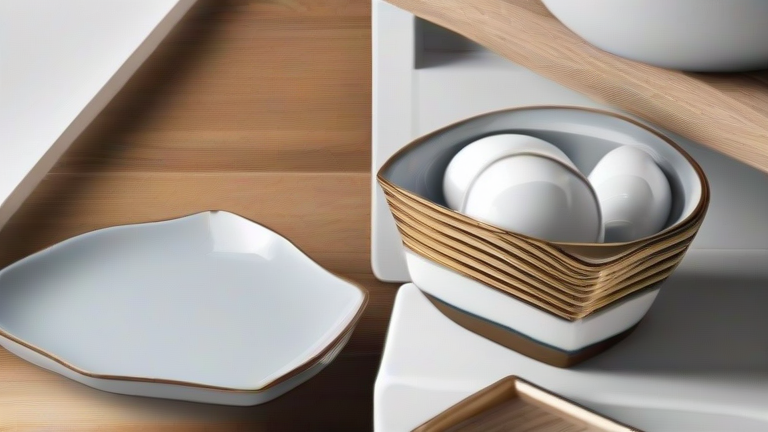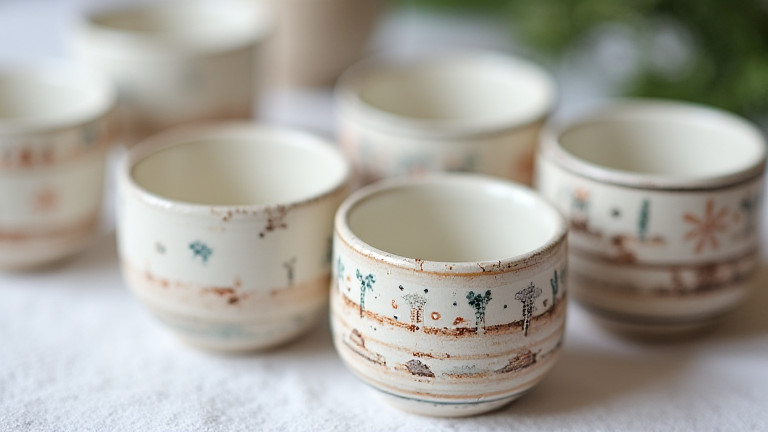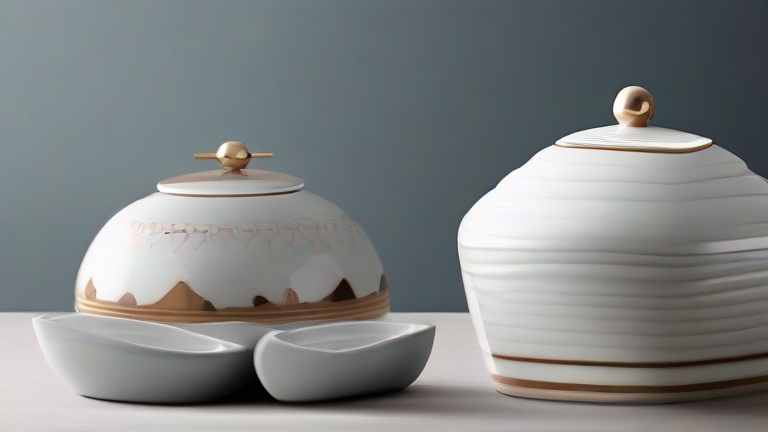
TL;DR: Choose porcelain gifts by matching the recipient’s lifestyle—from tea sets for ritualists to sculptural vases for minimalists. Prioritize bone china for durability, hand-painted details for uniqueness, and always verify lead-free glazes for food-safe use.
Top 10 Porcelain Gift Ideas: A Step-by-Step Buying Guide
Step 1: Assess the recipient’s daily rituals. Do they brew loose-leaf tea every afternoon? A Gaiwan set (lid, cup, saucer) is ideal. If they’re coffee-focused, choose a porcelain pour-over dripper with a matching carafe. Avoid generic mugs unless paired with a hand-thrown saucer.
If you want to dig deeper, check out our guide on Top 10 Porcelain Gift Ideas: A Complete Buying Guide.
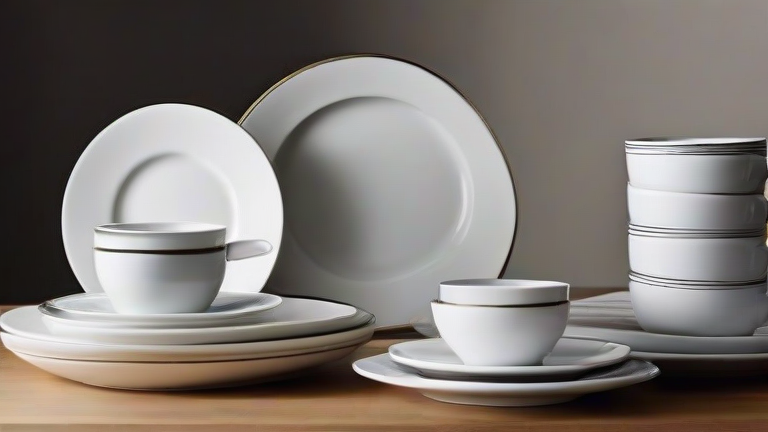
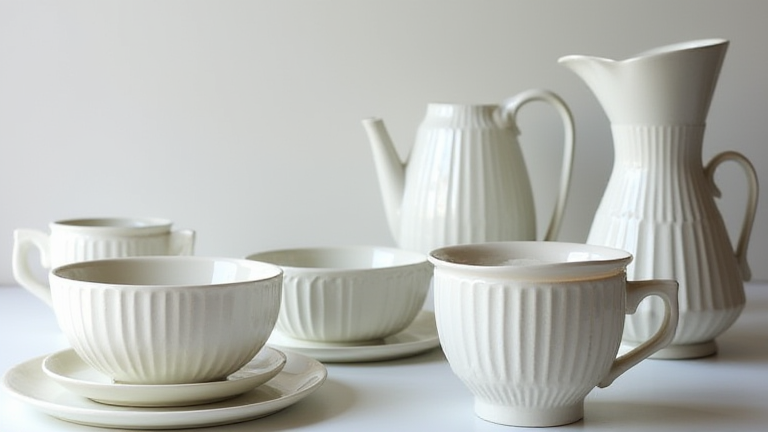
Step 2: Decide between hard-paste and bone china. Hard-paste porcelain (kaolin + feldspar) is more chip-resistant and matte—great for daily dinnerware. Bone china (contains bone ash) is translucent and lighter, perfect for decorative teacups or jewelry dishes. For a gift that must survive dishwashers, hard-paste wins.
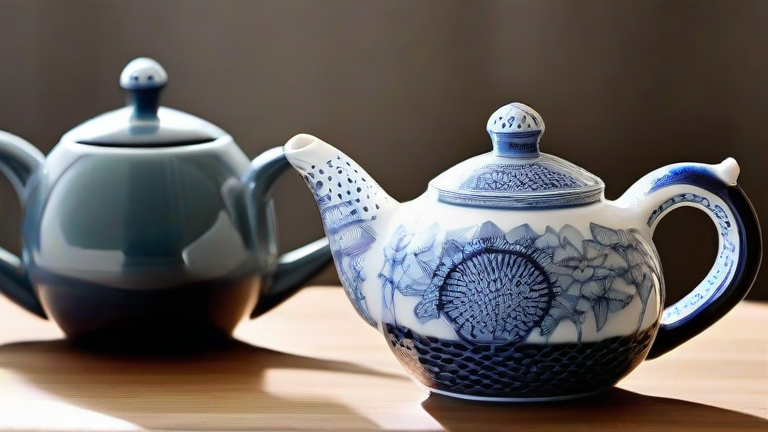
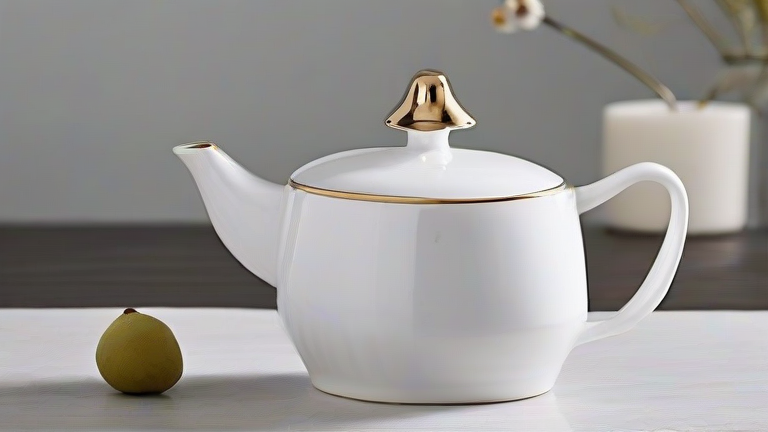
Step 3: Match the finish to the decor. Glossy, celadon-glazed pieces suit modern kitchens; matte, unglazed “biscuit” porcelain fits Scandinavian or Wabi-sabi interiors. For maximalist homes, pick cobalt underglaze patterns (classic Delft or Ming-inspired). For minimalist, choose pure white with a single gold rim accent.
Step 4: Verify food safety and practical care. Always check the label for “lead-free” and “cadmium-free” glazes, especially if the gift will hold hot liquids. Ask the seller if the piece is microwave-safe—many hand-painted porcelain is not. If unsure, stick to decorative vases or trinket boxes instead.
Step 5: Consider the “wow” factor of hand-painted vs. transfer-print. Hand-painted pieces have slight brushstroke irregularities—a sign of artisan value. Transfer-print (decal) is uniform and cheaper. For a truly special gift, invest in a limited-edition hand-painted dragon or phoenix plate from Jingdezhen, China, or a floral set from Limoges, France.
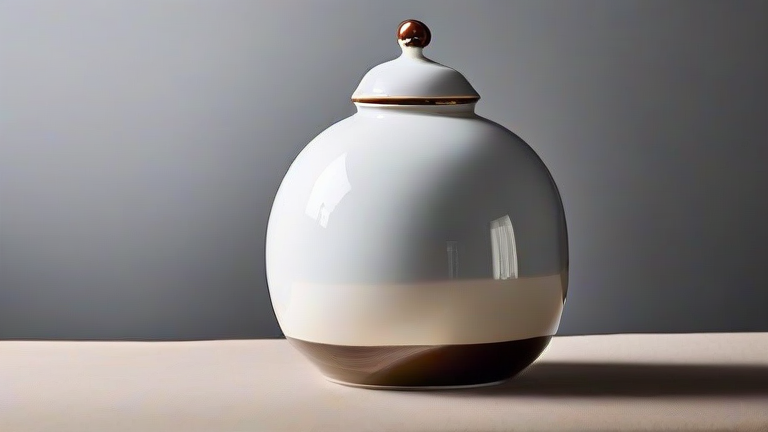
Step 6: Size and weight matter. A giant porcelain platter is stunning but impractical for a small apartment. Conversely, a tiny snuff bottle is collectible but may feel lost. Aim for mid-size: a 6-inch covered jar (for tea leaves or candy) or a 8-inch charger plate for serving.
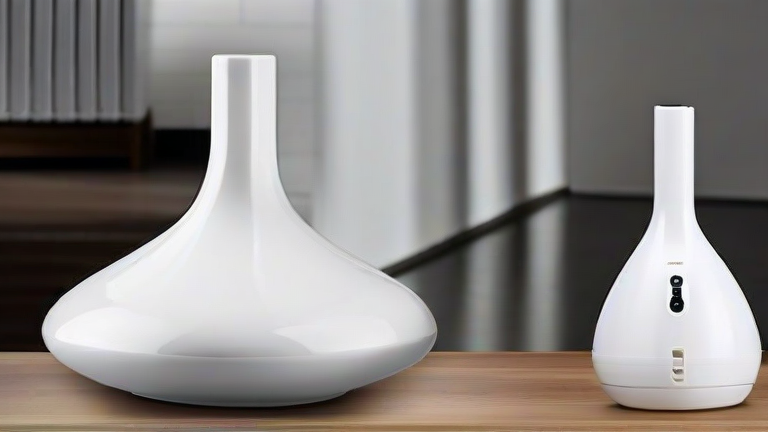
Step 7: Add a functional twist. The best porcelain gifts blur art and utility. Examples: a porcelain diffuser that holds essential oils, a clock face with hand-painted numerals, or a bookend shaped like a folded fan. These feel curated, not mass-produced.
Step 8: Check for repair warranties. Porcelain can crack in transit. Buy from sellers who offer replacement pieces or at least a 30-day damage guarantee. Ask if they use “kintsugi” repair kits—a thoughtful bonus for the recipient.
Step 9: Wrap and present with care. Use acid-free tissue paper and a rigid box. Never use bubble wrap directly against glaze—it can leave marks. Add a small card explaining the porcelain’s origin (e.g., “Fired at 1,280°C in Arita, Japan”).
Step 10: Finalize the top-10 list. Based on the above, the best gifts are: (1) Gaiwan tea set, (2) bone china espresso cups, (3) hand-painted charger plates, (4) porcelain diffuser, (5) covered storage jar, (6