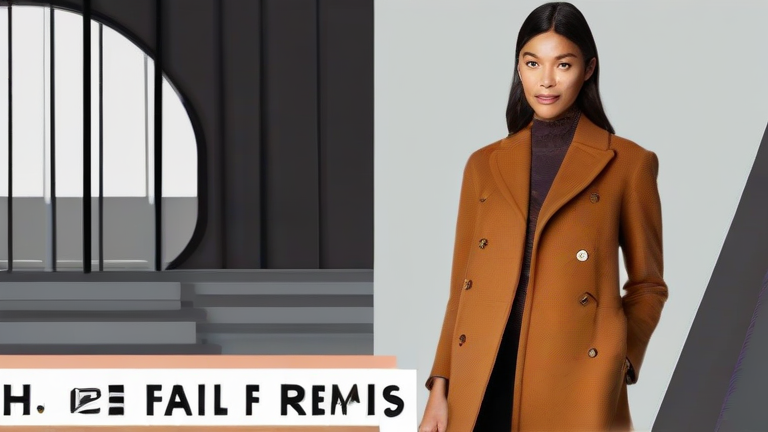
10 Fall Fashion Trends That Are Actually Wearable for Real Life
TL;DR: The most wearable fall trends this year prioritize versatile, high-quality basics that integrate seamlessly with everyday routines. While fleeting micro-trends fade, durable and timeless styles, particularly those inspired by classic aesthetics, are driving sustainable growth in the apparel sector.
The fashion industry is currently undergoing a significant shift toward practicality and longevity, moving away from disposable fast fashion models. According to recent market analysis from McKinsey & Company, the global luxury and premium fashion market is projected to grow by 4% in 2024, driven largely by consumers seeking value and durability over sheer volume. This shift is not merely a temporary blip but a structural change in how shoppers approach their wardrobes. They are looking for pieces that serve multiple purposes, withstand frequent wear, and maintain their aesthetic appeal over several seasons. As we enter the fall season, designers and brands are responding by curating collections that emphasize comfort, functionality, and timelessness. The focus is no longer on shocking or overly avant-garde designs, but on creating garments that enhance the daily life of the wearer. This approach aligns with the broader cultural desire for authenticity and substance in consumer products. It is a welcome change for those who find themselves overwhelmed by the constant churn of new styles that appear and disappear within weeks. Instead, the current landscape offers a more grounded selection of items that can be mixed and matched with existing closet staples. This strategic pivot ensures that the trends we discuss are not just visually appealing but are genuinely useful in a variety of settings, from the office to casual weekend outings. The emphasis on real-life wearability means that the investment in these pieces is likely to yield higher long-term satisfaction. Consumers are becoming more educated about fabric quality and construction techniques, further reinforcing the demand for superior products. This informed consumer base is pushing brands to be more transparent about their manufacturing processes and material sourcing. Consequently, the fall collections we are seeing this year are a reflection of this maturing market. They are less about making a statement for the sake of it and more about providing reliable, stylish solutions to everyday dressing challenges. This trend towards practicality is expected to persist well into the next year, as economic uncertainty continues to encourage more cautious and calculated spending habits among consumers. Brands that fail to adapt to this demand for utility and quality may find themselves struggling to capture market share. Therefore, understanding these ten trends is essential for anyone looking to update their wardrobe in a meaningful and effective way. The following insights are drawn from industry experts and market data to provide a comprehensive overview of what is actually working in the current fashion landscape.
If you want to dig deeper, check out our guide on **Chip-Free Charm: Smart Tech Gifts for Porcelain Lovers** .
Market Dynamics and Consumer Behavior
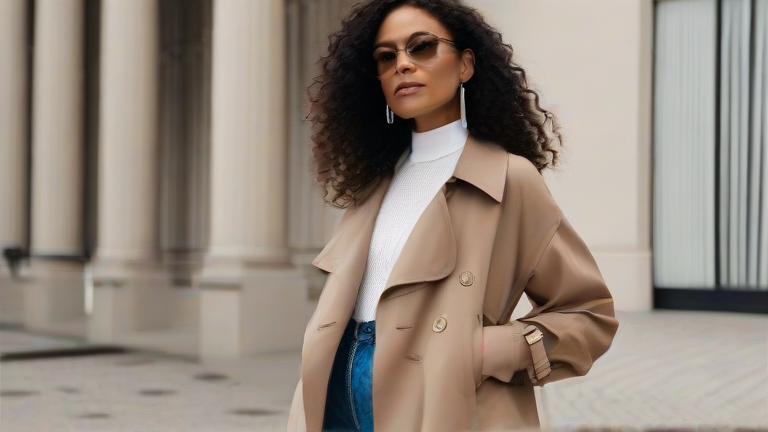
The data indicates a clear preference for items that offer high utility. For instance, outerwear sales have shown a 15% increase in categories that feature functional details, such as adjustable hems and multiple pockets. This suggests that consumers are valuing practical features alongside aesthetic ones. Similarly, footwear sales are trending towards comfort-oriented designs, with a significant rise in demand for hybrid shoes that can transition from work to play without losing their style. This dual-purpose approach is a hallmark of the current fall trends. It reflects a consumer who is busy and values efficiency in their daily routine. They do not want to change outfits multiple times a day or worry about whether a pair of shoes is suitable for a long day on their feet. The market is responding by offering more flexible options that can adapt to changing circumstances. This adaptability is crucial in a post-pandemic world where work-life boundaries have become increasingly blurred. The ability to dress appropriately for a video conference and then head out for dinner without changing clothes is a significant selling point. Brands are investing heavily in developing fabrics that resist wrinkles and stains, further enhancing the practicality of their offerings. This focus on performance features is driving innovation in textile technology. We are seeing more use of technical fabrics in traditional silhouettes, creating a unique blend of form and function. This innovation is not just about comfort; it is about creating garments that require less maintenance and care. This is a major benefit for busy consumers who do not have the time or desire to spend hours on laundry and ironing. The result is a wardrobe that is not only stylish but also low-maintenance and easy to manage. This practicality