**Porcelain Gift Ideas: A Beginner’s Tutorial to Timeless Picks**
TL;DR: Choose high-quality, hand-finished porcelain pieces like teacups or vases that feature classic patterns or minimalist designs for a sophisticated, long-lasting gift. Always verify the origin and weight of the item to ensure it possesses the density and durability characteristic of true porcelain.
Understanding the Appeal of Porcelain
Porcelain is not just tableware; it is a medium of art and utility. For a beginner, selecting the right piece involves understanding its unique properties. Unlike standard ceramic or stoneware, porcelain is fired at much higher temperatures, resulting in a material that is denser, more durable, and often translucent when held up to light. This quality makes it an exceptional gift choice because it signifies longevity and refinement. When you select a porcelain item, you are not merely giving an object but offering a piece of history and craftsmanship that can last for generations if cared for properly.
Step-by-Step Selection Process
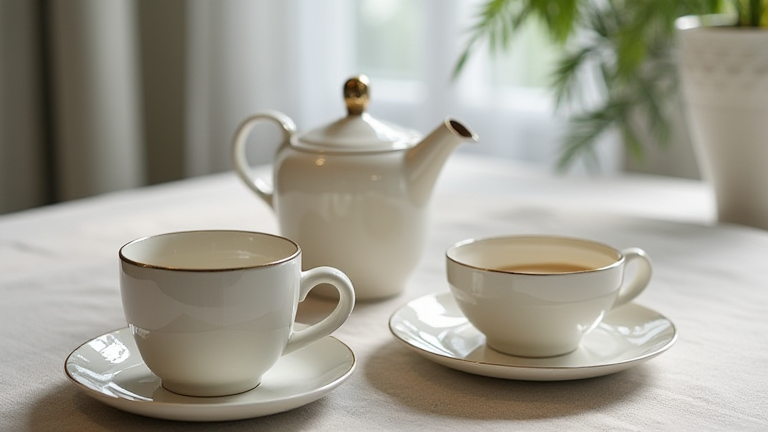
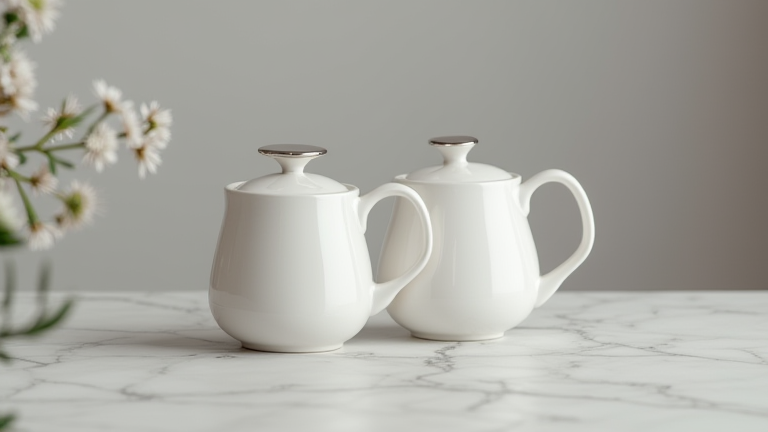
First, define the recipient’s aesthetic preference. Do they lean toward traditional, ornate patterns, or do they prefer modern, clean lines? Once you have a style in mind, identify a specific use case. A set of four fine china teacups is ideal for tea lovers, while a single sculptural vase serves as a striking accent piece for interior design enthusiasts. Second, inspect the physical characteristics of the item. If purchasing in person, hold the piece to the light. True porcelain should allow a slight amount of light to pass through the rim, indicating its thinness and high firing quality. Listen to it; a gentle tap should produce a clear, ringing tone rather than a dull thud. A dull sound often indicates lower quality materials or improper firing.
Curating the Perfect Presentation
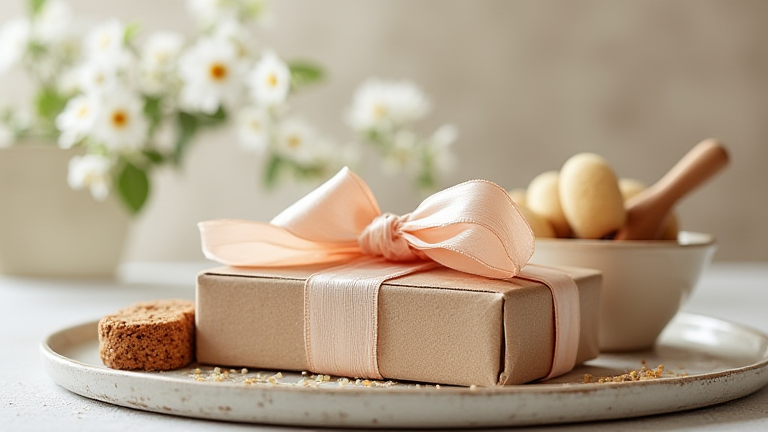
Third, consider the packaging. Porcelain is fragile, so the gift box must be sturdy. Opt for a rigid, double-walled box with ample cushioning. Add a personal touch by including a card that explains the origin of the porcelain, such as its connection to a specific region or manufacturer. This adds educational value to the gift, enhancing its perceived worth. Fourth, verify the brand’s reputation. Look for established makers known for quality control. Avoid no-name brands from mass retailers unless they have specific, verified reviews praising their durability. A reputable brand ensures that the glaze is food-safe and lead-free, which is crucial for any item intended for dining.
Care and Maintenance Tips
Fifth, include care instructions with your gift. While many modern porcelains are dishwasher safe, hand washing is always recommended to preserve the glaze’s integrity over time. Advise the recipient to avoid sudden temperature changes, as thermal shock can cause cracking. Suggest storing pieces separately or with dividers to prevent chipping. Finally, consider the occasion. Porcelain is versatile enough for birthdays, housewarmings, or anniversaries. Its timeless nature means it rarely feels out of place, making it a safe yet sophisticated bet for anyone who appreciates quality home goods.
FAQ
Q: Is porcelain more expensive than regular ceramic?
A: Yes, generally. Porcelain requires higher firing temperatures and more precise material sourcing, which increases production costs compared to standard ceramic or earthenware.
Q: Can I put a porcelain gift in the dishwasher?
A: Most modern porcelain pieces are dishwasher safe, but checking the manufacturer’s label is essential. Hand washing is safer for preserving delicate glazes and painted details.
Q: How do I know if a piece is genuine porcelain?
A: Check for translucency by holding it up to a light source. Genuine porcelain is thin enough to show some light through the edges, and it should have a distinct, ringing sound when tapped.