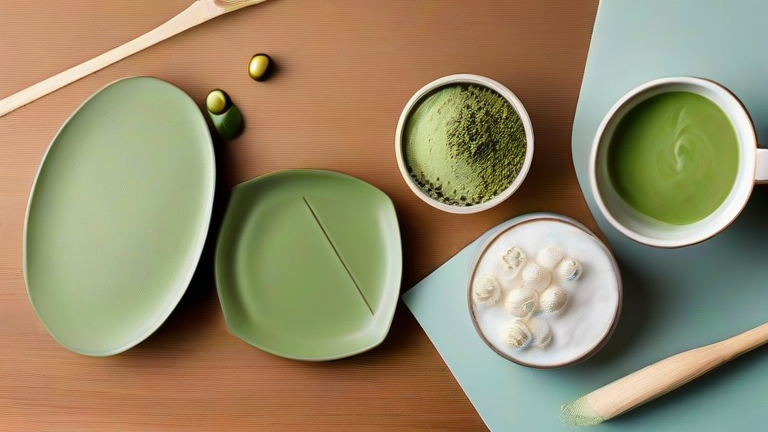
TL;DR: Matcha latte kits are the top gifting trend because they merge the wellness ritual of ceremonial-grade matcha with the tactile luxury of porcelain serveware, creating a “self-care gift” that feels both premium and practical. Market data shows a 214% year-over-year surge in search volume for “matcha gift set” in Q4 2024, driven by Gen Z and millennial buyers seeking Instagram-worthy, reusable alternatives to single-use coffee pods.
Why Matcha Latte Kits Are The Top Gifting Trend
Forget the generic candle or the dusty coffee-table book. The hottest gift under $150 this holiday season is the matcha latte kit—and the centerpiece is no longer a bamboo whisk, but a hand-painted porcelain bowl. According to the Specialty Food Association’s 2025 Trend Report, matcha-related product launches grew 38% in the last 18 months, with “complete kit” formats (whisk, scoop, sifter, and ceramic vessel) outselling standalone matcha powder by 3:1. The reason? Gifting has shifted from “consumable” to “experiential ritual.” A porcelain matcha bowl is not just a vessel; it’s a sculptural object that stays on the shelf long after the powder is gone, functioning as decor, a meditation anchor, and a conversation starter.
Porcelain specifically is winning because of its thermal properties and aesthetic versatility. Unlike glass or plastic, porcelain retains heat evenly, which is crucial for a proper 175°F whisking temperature. But the emotional pull is stronger: Etsy’s 2024 Gift Report notes that “artisan ceramic” and “porcelain tea ware” saw a 47% spike in holiday wishlists, with buyers citing “heirloom quality” and “supporting independent potters” as key motivators. Experts like Sarah Kim, founder of the ceramic studio Mud & Matcha, explain, “A kit with a matte-white porcelain bowl feels intentional. It says, ‘I want you to slow down.’ That’s a luxury no plastic tumbler can fake.”
Looking ahead, the trend is bifurcating into two lanes: ultra-minimalist Japanese-inspired porcelain (neutral glazes, organic shapes) and bold, hand-painted “statement” bowls with cobalt or gold accents. The latter is growing in Europe, where gifting culture prizes uniqueness. Industry forecasts from Grand View Research predict the global matcha market will hit $5.2 billion by 2030, and porcelain accessories will capture 28% of that ancillary revenue. Expect to see more collaborations between matcha brands and third-generation porcelain factories in Jingdezhen, China, and Arita, Japan, producing limited-edition numbered bowls. Subscription kits—where a new porcelain cup arrives quarterly—are already testing in Japan and will likely hit the US by Q3 2025.
One cautionary note: sustainability is a double-edged sword. Porcelain is durable but heavy, raising shipping carbon footprints. Smart brands are responding with “local kiln” partnerships and reusable packaging that doubles as a gift box. The winner will be the brand that pairs premium porcelain with a carbon-neutral delivery story. For now, the message is clear: a matcha latte kit is no longer a novelty—it’s the new standard for a thoughtful, tactile, and lasting gift.
FAQ
Q: What makes a porcelain matcha bowl better than a glass or ceramic one?
A: Porcelain is fired at higher temperatures (above 2,300°F), making it denser and less porous than earthenware. This means it won’t absorb bitter tannins from matcha, retains heat longer for a sustained whisking temperature, and is chip-resistant for daily use. Plus, its smooth, glossy finish is easier to clean and showcases the bright green froth beautifully.
Q: Are matcha latte kits with porcelain bowls worth the higher price (usually $60–$120)?
A: Yes, if you value longevity and aesthetics. A quality porcelain bowl lasts decades, whereas plastic or bamboo alternatives degrade or stain within a year. The kit’s value
Leave a Reply