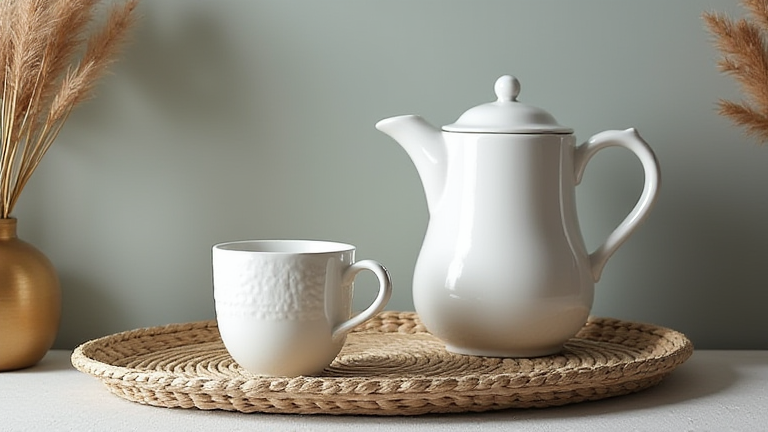
TL;DR: The best porcelain gifts combine timeless aesthetics with practical function—think artisan teapots, hand-painted dinnerware, and decorative vases that suit any occasion. Prioritize quality marks (like bone china content) and the recipient’s lifestyle to choose between collectible figurines or everyday-use pieces.
Step 1: Assess the Recipient’s Lifestyle and Tastes
Before buying, determine if the person entertains often, collects art, or prefers minimalism. For a frequent host, a porcelain serving platter or a 12-piece dinner set is ideal. For a minimalist, choose a single sculptural vase or a sleek espresso cup set. Avoid ornate patterns if they favor modern decor—opt for matte finishes or celadon glazes instead.
If you want to dig deeper, check out our guide on Healthy Porcelain Gift Ideas: 10 Safe & Elegant Choices.
Step 2: Choose Between Functional and Decorative Porcelain
Functional gifts include teapots, mugs, ramen bowls, and butter dishes—these are used daily and offer lasting sentimental value. Decorative gifts include figurines, wall plaques, and ginger jars. A pro tip: if the person is a tea lover, buy a Yixing-style porcelain gaiwan (lidded bowl) with a bamboo tray. If they’re a collector, look for limited-edition pieces from names like Meissen or Herend, but verify authenticity with a certificate.
Step 3: Verify Porcelain Quality and Durability
Check for “bone china” (contains 30% bone ash) for translucency and chip resistance, or “hard-paste porcelain” for high-temperature strength. Run your fingers over the rim—it should be smooth, not sharp. Hold the piece to light: fine porcelain glows slightly. Avoid pieces with visible pinholes or uneven glaze. For gifts that will see dishwashers, ensure they are marked “dishwasher-safe” or “microwave-safe.”
Step 4: Match the Gift to the Occasion
For weddings, gift a porcelain cake stand with a matching serving fork. For housewarmings, a set of four porcelain coasters with a matching trivet works well. For anniversaries, consider a hand-painted porcelain lidded box (for jewelry). For holidays, a porcelain snowman figurine or a Christmas-themed egg cup adds charm. Always wrap in white tissue paper and use a rigid box—porcelain cracks easily with sharp impacts.
Step 5: Personalize with Engraving or Custom Painting
Many artisans offer custom calligraphy or monogramming on porcelain. Choose a plain white mug or plate and have the recipient’s name or a short quote fired in a contrasting color. Alternatively, buy a DIY porcelain painting kit (with food-safe glazes) if the recipient is crafty. This transforms a simple gift into a memorable, interactive experience.
Step 6: Budget and Sourcing Tips
Set a budget: $30–$60 for mid-range (Narumi, Noritake), $100+ for luxury (Royal Copenhagen, Wedgwood). Buy from reputable auction sites or local pottery studios to avoid counterfeit “porcelain” that is actually stoneware. If shopping online, read return policies—porcelain often arrives broken. Request extra bubble wrap and insurance if shipping internationally.
Step 7: Presentation and Care Instructions
Include a handwritten note explaining the piece’s origin and care: hand-wash with mild soap, avoid abrupt temperature changes, and use felt pads under vases. If gifting a teapot, include a small packet of loose-leaf tea as a pairing. For storage, recommend keeping pieces in a cabinet with padded shelves or cloth bags to prevent scratches.
FAQ
Q: What is the safest porcelain gift for a person with no known style?
A: Choose a plain white porcelain rice bowl or a small round vase—these are neutral, functional, and fit any decor, from Scandinavian to traditional.
Q: How do I know if a porcelain gift is genuine and
Leave a Reply