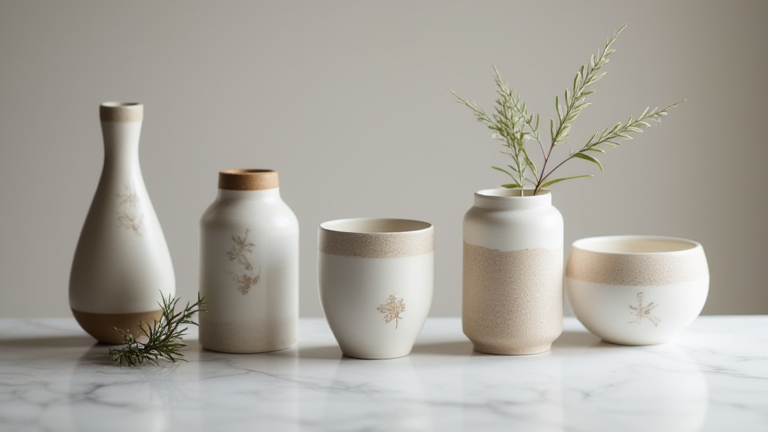
**Handmade Porcelain Gift Ideas: A Step-by-Step Tutorial Guide** (62 chars)
TL;DR: Create unique, high-value porcelain gifts by hand-forming functional items like mugs, vases, or dish sets using slip casting or wheel throwing techniques. Focus on intricate detailing, safe food-grade glazes, and professional kiln firing to ensure durability and aesthetic appeal for your recipients.
Understanding Porcelain for Gifting
Porcelain is distinct from other clays due to its high firing temperature, resulting in a hard, white, and translucent material. It is ideal for gifts because it signifies elegance and permanence. However, it requires precision and patience. Before starting, ensure you have access to a high-temperature kiln, as porcelain typically fires between 1,260°C and 1,400°C. This high heat vitrifies the clay, making it non-porous and resistant to stains, which is crucial for functional gifts like drinkware.
If you want to dig deeper, check out our guide on 15 Beautiful Porcelain Gift Ideas for Every Occasion.
Step-by-Step Creation Process
Begin by preparing your porcelain clay. Knead the material thoroughly to remove air bubbles, which can cause explosions in the kiln. If you are not using a wheel, consider slip casting for consistent shapes. Pour the liquid porcelain slip into a plaster mold, allowing it to settle for ten to fifteen minutes until a thick layer forms. Drain the excess slip and let the piece dry until it reaches the leather-hard stage. This stage is firm enough to handle but still moist enough for carving or adding details.
For wheel throwers, center a small amount of porcelain clay. Porcelain is smoother and faster than stoneware, so move slowly. Pull up the walls evenly, creating a tapering shape for mugs or a narrow neck for vases. Use a trimming tool to define the base and add subtle curves. Once the piece is shaped, let it dry slowly under plastic to prevent cracking. Monitor the drying process closely, as uneven drying is the primary cause of failure in porcelain work.
Glazing and Firing Techniques
Once the piece is bone dry, apply your chosen glaze. For gifts, opt for glossy, food-safe glazes that complement the white body of the porcelain. Use a brush for delicate, hand-painted designs or dip the entire piece for a uniform finish. Ensure the glaze layer is even to avoid runs or bare spots. Sign the bottom of the piece with a special unglazed marker to personalize the gift. Allow the glaze to dry completely before firing.
Load the kiln carefully, ensuring pieces do not touch each other or the kiln elements. Use kiln wash on shelves to prevent glaze drips from sticking. Fire the porcelain to the appropriate temperature for your specific glaze. After firing, allow the kiln to cool naturally to room temperature before removing the pieces. This slow cooling prevents thermal shock, which can shatter the delicate porcelain.
Essential Tips for Success
Always test your glazes on spare pieces before applying them to final gifts. Porcelain’s high firing temperature can cause certain glazes to run excessively. Keep the workspace clean, as porcelain dust is fine and can be hazardous if inhaled. Use a damp cloth to wipe surfaces regularly. For presentation, wrap each item in acid-free tissue paper and place it in a sturdy box with custom branding or a handwritten note. This adds a layer of thoughtfulness that elevates the handmade aspect of the gift.
FAQ
Q: Can I fire porcelain in a standard home electric kiln?
A: Yes, provided the kiln is capable of reaching cone 10 temperatures, which is approximately 1,300°C. Standard cone 6 kilns are usually insufficient for true porcelain firing.
Q: How long does it take for a porcelain piece to dry completely?
A: Depending on the thickness and humidity, it can take anywhere from three to seven days. Thinner pieces may dry in two days, while thick vases may require a week or more.</p
Leave a Reply