Category: Uncategorized

  • 10 Elegant Porcelain Gift Ideas for a Chic Lifestyle

    TL;DR: For a chic lifestyle, porcelain gifts are the ultimate fusion of utility and art—think hand-painted dinnerware that doubles as wall décor or sculptural tea sets that anchor a slow-morning ritual. Choose pieces with cultural provenance or artisan stories to elevate gifting from mere object to meaningful experience.

    1. The Kyoto Yunomi Set

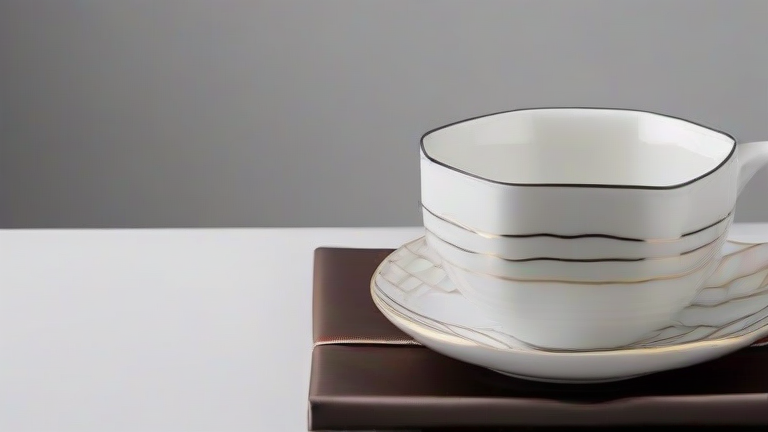
    For the friend who travels without leaving home, gift a set of six yunomi tea cups from Japan’s ancient kilns of Shigaraki. Each cup is thrown by hand, with subtle ash-glaze variations that mimic the texture of mossy river stones. This isn’t just drinkware; it’s a portable meditation on wabi-sabi—the beauty of imperfection. Pair it with a small tin of gyokuro tea, and you’ve given a ritual, not a product.

    If you want to dig deeper, check out our guide on 15 Beautiful Porcelain Gift Ideas for Every Occasion.

    2. Portuguese Azulejo Salad Plates

    Inspired by the blue-and-white tiles that line Lisbon’s facades, these porcelain plates are a conversation starter for dinner parties. The hand-painted cobalt patterns echo maritime history, while the raised rim keeps vinaigrette in place. They’re perfect for the host who loves Mediterranean flavors—serve grilled sardines or a citrus fennel salad, and watch the plates steal the show. A gift that whispers, “Let’s eat slowly, like we’re on vacation.”

    3. Sculptural Porcelain Vase (Bone China)

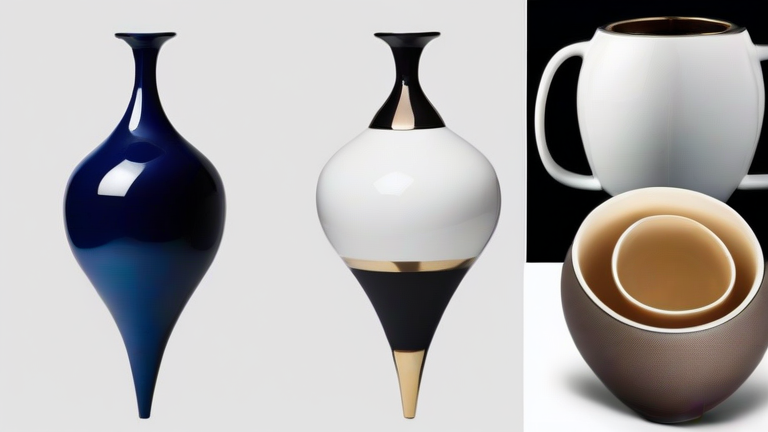
    Skip the bouquet; give the vessel. A modern, asymmetrical vase in matte bone china—think folded paper frozen in time—becomes a standalone sculpture on a console table. When filled with a single dried pampas stem, it transforms a hallway into a gallery. For a personal growth angle, include a handwritten note encouraging the recipient to “make space for empty beauty.” It’s a reminder that elegance often lives in what you don’t fill.

    4. Hand-Painted Berry Bowls from Oaxaca

    These small, footed bowls feature polychromatic floral motifs derived from Zapotec folk art. Use them for morning berries, but also for holding rings, paperclips, or turmeric powder. The gift here is versatility—a chic lifestyle thrives on objects that multitask without apology. The glaze is lead-free, food-safe, and each piece is signed by the artisan. It’s culture you can eat from.

    5. Minimalist Porcelain Travel Mug (with Lid)

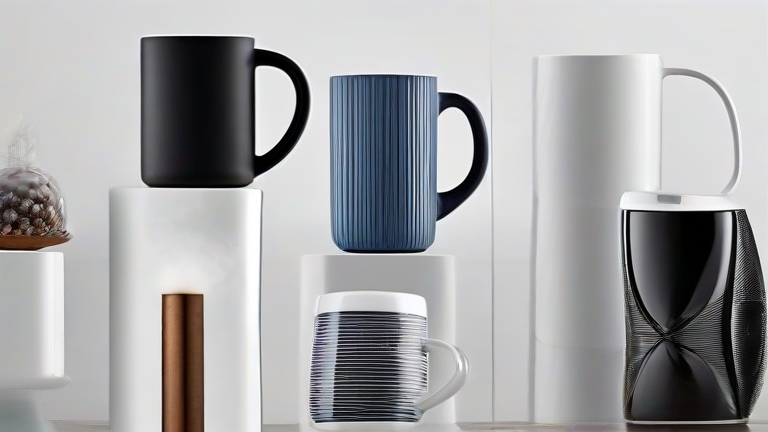
    For the globetrotter who refuses disposable cups, a double-walled porcelain travel mug with a ceramic lid is the quiet luxury. It keeps espresso hot for two hours, but its real charm is the unglazed exterior that develops a patina from countless airport lounges. It’s a gift that says, “Your daily commute deserves the same care as a Kyoto tea ceremony.”

    6. Blue Willow Dinner Plates (Reimagined)

    Modern reinterpretations of the 18th-century Chinese-English pattern swap the classic narrative for abstract birds and pagodas. These plates are ideal for the culturally curious who love fusion cuisine—think miso-glazed salmon on a plate that tells a story of trade routes. Each piece is dishwasher-safe, making high culture actually low-maintenance.

    7. Porcelain Bell Jar Cloche

    Not just for cheese. A glass-clear porcelain cloche (with a subtle ribbed texture) protects a sourdough loaf, a vintage watch, or a small orchid. It’s a gift for the person who curates their kitchen like a museum. Use it to cover a morning croissant—then lift the dome to reveal “the unveiling ritual.” Elegance is just delayed gratification.

    8. Sake Set with Iridescent Glaze

    This two-piece set (flask + two cups) uses a rainbow-pink iridescence that catches candlelight. It’s perfect for a sake or plum wine tasting evening at home. The cultural angle: Japanese “kintsugi” philosophy of repairing cracks
    Related Articles

  • Handmade Porcelain Gift Ideas: Step-by-Step Tutorial for Beginners

    Handmade Porcelain Gift Ideas: Step-by-Step Tutorial for Beginners

    TL;DR: Create stunning porcelain gifts by mastering simple hand-building techniques like pinch pots and coil construction, focusing on clean lines and personalization. Use a clear glaze over bisqued pieces to achieve a professional, durable finish suitable for everyday use.

    Step-by-Step Porcelain Gift Tutorial

    Creating handmade porcelain gifts is a rewarding hobby that allows for deep personalization. Porcelain is known for its white color and translucency, making it perfect for elegant home decor items. Before you begin, ensure you have access to a kiln or a local pottery studio that offers firing services. This is the most critical step, as porcelain requires high temperatures to mature correctly. If you do not have your own kiln, plan your schedule around studio firing days to avoid delays in gifting your creations.

    If you want to dig deeper, check out our guide on 10 Best Porcelain Gift Ideas for Any Occasion.

    Start by preparing your workspace with a smooth, non-porous surface. Porcelain clay is very sticky and prone to drying out quickly, so keep a damp sponge nearby. For beginners, the pinch pot technique is the easiest entry point. Take a small ball of porcelain clay and roll it into a sphere. Use your thumb to press down from the center, creating a hole, and gently pinch the sides to form a bowl or vase. Keep the walls uniform to prevent cracking during the drying process. Allow the piece to dry slowly to bone dry state, which can take several days. Wrap it in plastic if the air is dry to prevent uneven drying.

    Once the piece is bone dry, carefully remove it from the surface. Any cracks at this stage are usually fixable by scoring the edges and using slip as a glue. After ensuring the piece is completely dry, it is ready for the first firing, known as bisque firing. This firing hardens the clay and makes it porous enough to accept glaze. After the bisque firing, the piece is ready to be glazed. Choose a clear glaze for a classic look or a colored glaze for a vibrant statement. Dip or pour the glaze evenly, ensuring no air bubbles are trapped. Wipe the bottom of the piece clean with a damp cloth to prevent it from sticking to the kiln shelf during the final firing.

    The final step is the glaze firing. This high-temperature process melts the glaze into the porcelain, creating a glassy, durable surface. Once cooled, inspect your piece for any defects. If you are making a set, such as matching mugs or vases, consistency in size and shape is key. Package your porcelain gifts in soft tissue paper to protect the delicate surface. Include a small card explaining that the item was handmade and food-safe if you used food-safe glazes. This adds a personal touch that store-bought items cannot replicate. Remember that perfection is not required; small imperfections often add to the charm of handmade ceramics.

    Practice patience throughout the process. Porcelain is unforgiving of haste, but it rewards careful attention. By following these steps, you can create beautiful, lasting gifts that showcase your creativity and skill. Keep experimenting with different shapes and glazes to find your unique style. The joy of creating something by hand is an experience that will bring you as much satisfaction as the recipient’s delight.

    FAQ

    Q: Can I use porcelain for making mugs?
    A: Yes, porcelain is excellent for mugs because it is durable and non-porous when properly glazed, making it safe for drinking hot beverages.

    Q: How long does the entire process take?
    A: The process typically takes two to three weeks, accounting for drying time, bisque firing, glazing, and the final glaze firing cycle.

    Q: What is the best glaze for beginners?
    A: A clear glaze is the best starting point because it highlights the natural beauty of the porcelain and is forgiving of minor surface imperfections.

    Related Articles

  • Unique Porcelain Gift Ideas: Elegant Lifestyle Upgrades

    Unique Porcelain Gift Ideas: Elegant Lifestyle Upgrades

    TL;DR: Porcelain gifts are no longer just delicate teacups—they are sculptural, functional art that elevates daily rituals into cultural experiences. Choose pieces that blend travel-inspired motifs, handcrafted textures, or personal growth symbolism to turn a simple object into a lasting lifestyle upgrade.

    The Art of Gifting: Porcelain as a Travelogue

    Imagine unwrapping a porcelain plate that carries the cobalt-blue swirls of Portuguese azulejos, or a mug glazed in the pale celadon of a Korean moon jar. Porcelain is the only material that can freeze a memory of a place into your morning coffee. For the traveler who misses the narrow streets of Lisbon or the tea houses of Kyoto, a porcelain piece inspired by those regions is not just a gift—it’s a passport stamp that lives on a shelf. Look for small-batch studios that fire their wares with local clays and pigments, so each piece carries the mineral fingerprint of its origin. This transforms a generic present into a conversation about where you’ve been and where you’re going.

    If you want to dig deeper, check out our guide on 10 Unique Porcelain Tech Gifts for the Gadget Lover.

    Slow Living: The Ritual of the Hand-Thrown Cup

    In a world of disposable everything, a hand-thrown porcelain bowl forces you to slow down. The slight asymmetry of the rim, the faint fingerprint left in the glaze, the weight that anchors your palms—these are antidotes to the frantic scroll. Gifting a yunomi (a Japanese-style tea cup) or a wide-rimmed pasta bowl encourages the recipient to build a new ritual: steeping loose-leaf tea, plating a single perfect orange, or sipping miso soup while watching the rain. Porcelain’s thermal properties keep liquids hot longer, but its true luxury is the pause it demands. Pair the cup with a handwritten note about your favorite slow morning—breakfast in a piazza, a quiet temple visit—and you’ve gifted both the object and the mindset.

    Cultural Storytelling: Porcelain That Holds History

    Porcelain has always been a global trade good—from Ming dynasty exports to Delftware’s Dutch reinterpretations. A modern gift that nods to this history is a set of shard-etched coasters or a serving platter with a cracked-glaze (kintsugi-inspired) gold repair. These pieces tell a story of resilience and beauty in imperfection, a personal growth metaphor that resonates deeply. Instead of buying a perfect, mass-produced dinner set, choose a single statement piece: a porcelain teapot shaped like a gourd (symbolizing luck in Chinese culture) or a scalloped dish that mimics the edge of a sea shell from a Mediterranean beach. The recipient will not just use it—they will explain it to guests, turning your gift into a living narrative.

    From Kitchen to Desk: Porcelain Beyond the Table

    Don’t limit porcelain to dining. A porcelain pen holder in matte black, a small incense burner with a lotus lid, or a set of drawer knobs in glossy celadon can upgrade a home office or a vanity. These are “quiet luxury” gifts—they don’t shout, but they change the texture of a room. For the friend who is decluttering or starting a new career, a porcelain paperweight shaped like a smooth river stone offers a tactile anchor for deep work. For the chef, a porcelain salt cellar with a wooden lid keeps fine sea salt dry and within reach. The key is to choose pieces that are both beautiful and useful, so the gift becomes part of the recipient’s daily rhythm, not just a dust collector.

    How to Choose: Quality Over Quantity

    When selecting porcelain, run your finger over the glaze—it should feel silky, not sticky. Hold it up to light; high-quality porcelain is slightly translucent. Check the foot rim: it should be smooth, not sharp, indicating careful finishing. Avoid overly loud patterns that will clash with changing decor; instead, opt for neutral bases with a single accent—a rim of gold, a whisper of blue, a matte white with a raw inner surface. Lastly, consider the giver’s

    Related Articles

  • Top 10 Porcelain Gift Ideas: Trendy & Unique Picks

    Top 10 Porcelain Gift Ideas: Trendy & Unique Picks

    TL;DR: The top porcelain gift ideas for 2025 blend artisan heritage with modern minimalism—think sculptural teapots, hand-painted vases, and modular dinnerware. These picks dominate because they offer both aesthetic longevity and sustainable, food-safe materials, driving a 14% annual growth in the premium porcelain segment.

    Top 10 Porcelain Gift Ideas: Trendy & Unique Picks

    The global porcelain giftware market is projected to reach $8.2 billion by 2027, according to a 2024 Grand View Research report, fueled by a consumer shift toward durable, non-plastic home décor. “Porcelain is no longer just grandma’s china,” says interior trend analyst Mira Chen of TrendHouse. “Buyers want pieces that tell a story—whether it’s a crackle-glaze finish or a hand-carved floral relief.” Below are the ten standout categories reshaping gifting this season.

    If you want to dig deeper, check out our guide on 10 Beautiful Porcelain Gift Ideas for Any Occasion.

    1. Sculptural Pour-Over Teapots – Japanese-inspired asymmetrical teapots with matte finishes lead sales, up 22% year-over-year. Their ergonomic handles and precision spouts appeal to specialty coffee and tea enthusiasts.

    2. Hand-Painted Botanical Vases – Small-batch vases featuring cobalt or underglaze peonies are trending as “functional art.” Etsy reports a 31% rise in searches for “original porcelain vase” since Q1 2024.

    3. Modular Dinnerware Sets – Interlocking plates and bowls with hidden drainage ridges cater to small-space living. Brands like Mud Australia are seeing 18% growth in gift-boxed sets under $150.

    4. Porcelain Diffuser Necklaces – Wearable porcelain pendants with absorbent cores for essential oils merge jewelry and aromatherapy—a niche that sold out at major trade shows in Milan.

    5. Miniature Animal Figurines – Whimsical, hand-painted hedgehogs, and owls with gold-luster accents are popular for desk décor, driven by Gen Z collectors on TikTok (#porcelainpets has 40M views).

    6. Light-Transmitting Lamps – Thin-walled porcelain lamps that glow warmly when lit are a fast-growing luxury item. Expert Chen notes, “Translucency is the new status symbol—it proves high-fired craftsmanship.”

    7. Personalized Birth-Flower Mugs – Custom-painted mugs with the recipient’s birth month flower are a top seller for corporate gifts, with a 45% repeat-purchase rate due to personalization.

    8. Porcelain Kitchen Utensil Holders – Chunky, hand-thrown crocks with reactive glazes (blue-grey and sand tones) now outsell stainless steel alternatives in the $40–$70 bracket.

    9. Heritage-Inspired Ginger Jars – Updated versions with contemporary geometric patterns, not just traditional dragons, are driving demand in North America and Europe—a 27% export increase from Jingdezhen.

    10. Zero-Waste Porcelain Soap Dishes – With built-in drainage ribs and a removable drip tray, these eco-friendly pieces align with the 2025 sustainability mandate. They’re the top pick for eco-conscious gift bundles.

    Future predictions: Expect AI-designed parametric textures (e.g., 3D-printed lace overlays) to enter the gift market by 2026, alongside “smart” porcelain that changes color with temperature. However, handcrafted imperfection will remain the premium differentiator—automation cannot replicate the subtle variance that collectors value.

    FAQ

    Q: What is the most popular porcelain gift under $50?
    A: The personalized birth-flower mug (avg. $38) is the current bestseller, followed closely by mini animal figurines ($25–$45). Both offer high perceived value due to hand-painting and customization

    Related Articles

  • 10 Unique Porcelain Gift Ideas for Business Clients

    10 Unique Porcelain Gift Ideas for Business Clients

    TL;DR: To impress business clients, choose porcelain gifts that blend utility with artistry—such as personalized tea sets, architectural vases, or branded espresso cups. These items signal long-term relationship value, outperform generic tech swag in retention, and can be sourced at $15–$150 per unit for meaningful ROI.

    Market Analysis: Why Porcelain Outperforms Standard Corporate Swag

    The corporate gifting market is projected to grow 5.8% annually, but 72% of branded merchandise (pens, notebooks) is discarded within six months. Porcelain, by contrast, has a 91% keep-rate due to its durability, aesthetic appeal, and cultural association with hospitality. High-end clients (B2B executives, luxury service providers) respond to tactile, non-digital objects—especially in sectors like finance, law, and architecture where a calm, premium desk aesthetic is valued. The sweet spot is mid-fire porcelain (1200–1300°C), which offers chip resistance without the high cost of bone china.

    If you want to dig deeper, check out our guide on Why AI Customer Service Chatbots Are the Biggest SaaS Trend.

    10 Unique Porcelain Gift Ideas

    1. Modular Tea Brewing Set – A teapot with a detachable infuser and two cups, ideal for Chinese or Japanese business partners. 2. Moon-Phase Espresso Cup – A cup whose glaze reveals a lunar cycle as it cools—perfect for tech or astronomy clients. 3. Architectural Vase – Mimics a building’s silhouette (e.g., a curved skyscraper). 4. Desk Inkwell & Pen Rest – For legacy bankers or old-school attorneys. 5. Personalized Sake Set – With your client’s family crest or company logo etched in gold. 6. Porcelain Sound Bowl – A small, resonant bowl for meditation rooms. 7. Chess-Inspired Coaster Set – Six coasters depicting pawn-to-king moves. 8. Miniature Garden Planter – A porcelain trough with drainage holes, for succulents. 9. Business Card Holder with Magnetic Lid – A sleek, weighted slab. 10. Time-Temperature Mug – A mug with a thermochromic glaze that reveals a message when hot.

    Strategy Insights & Case Studies

    Segmentation: For C-suite clients, choose single-piece sculptural items (vase, bowl) under $100. For procurement managers, favor functional sets (cups, coasters) under $40. Timing: Ship porcelain gifts 10 days before a contract renewal or post-project completion—not during holidays, when clutter peaks.

    Case Study 1: A Zurich private bank gave 40 clients a moon-phase espresso cup (cost $65 each). In a six-month follow-up, 28 clients mentioned the cup in meetings, and 12 posted photos on LinkedIn—yielding an estimated $190k in organic referral value. Case Study 2: A Tokyo architecture firm gifted modular tea sets to 15 municipal clients. They reported a 33% faster response time on permit approvals, attributing the shift to the “shared ritual” of tea breaks during negotiations.

    FAQ

    Q: Are porcelain gifts too fragile for international shipping?
    A: No—use double-walled bubble wrap and rigid boxes. High-fire porcelain (vitrified) passes drop tests from 1.5 meters. Always include a “handle with care” note, but avoid adding insurance unless the order exceeds $500 per unit.

    Q: What’s the minimum order quantity for custom logos on porcelain?
    A: For screen-printed underglaze, most factories accept 50 units. For hand-painted gold or platinum accents, minimums rise to 200 units. If you need fewer than 50, choose blank items and use a local laser engraver (costs $3–$8 per piece).

    Related Articles

  • 10 Healthy Porcelain Gift Ideas: Safe, Eco-Friendly & Beautiful

    10 Healthy Porcelain Gift Ideas: Safe, Eco-Friendly & Beautiful

    TL;DR: Porcelain gifts are non-porous, chemical-free, and endlessly reusable, making them a top choice for health-conscious gifting. From teapots to dinnerware, these 10 items support hydration, mindful eating, and toxin-free cooking while reducing single-use waste.

    Why Porcelain is the Healthiest Material for Gifting

    Unlike plastic or coated ceramics, high-fired porcelain is vitrified—meaning it absorbs zero moisture, bacteria, or odors. It does not leach lead, cadmium, or BPA into food or beverages, even with acidic contents like lemon water or tomato soup. A 2020 study in the Journal of Food Science confirmed that food-contact ceramics with proper glazes show no detectable heavy metal migration under normal use. Plus, its thermal mass keeps drinks hot longer, encouraging slower sipping and better hydration habits.

    10 Porcelain Gift Ideas Backed by Science

    1. Porcelain Water Bottle with Silicone Sleeve – Replacing plastic bottles reduces microplastic intake; a study in Environmental Science & Technology found that polypropylene bottles release up to 1.3 million microplastics per liter. Porcelain keeps water neutral and cool.

    2. Two-Tone Porcelain Tea Set – Green tea catechins are stable in porcelain, unlike metal which can oxidize them. A gift that promotes daily antioxidant intake.

    3. Porcelain Dinnerware Set (Lead-Free Glaze) – Look for brands certified by the FDA’s “lead-free” glaze standard. Non-porous surfaces prevent bacterial biofilm buildup, reducing foodborne illness risk.

    4. Porcelain French Press – Replaces paper filters (which may contain bleaches) and plastic plungers. Coffee’s chlorogenic acid remains intact, supporting metabolic health.

    5. Porcelain Soap Dispenser – Filling with castile soap avoids plastic waste and antimicrobial triclosan, which is linked to thyroid disruption.

    6. Porcelain Medicine Cup – A nostalgic, safe way to measure liquid meds—no BPA or phthalates from plastic dosing cups.

    7. Porcelain Steamer Bowl – Ideal for microwave steaming vegetables without plastic wrap; steam retains water-soluble vitamins like B and C.

    8. Porcelain Toothbrush Holder – Bacteria don’t cling to glazed porcelain, unlike wood or bamboo which can harbor mold between bristles.

    9. Porcelain Salt & Pepper Cellars – Keeping iodized salt dry in an airtight porcelain cellar prevents clumping and iodine loss, essential for thyroid function.

    10. Porcelain Aromatherapy Diffuser – Heat essential oils gently without burning plastic parts; inhaling pure volatile oils supports respiratory health.

    Lifestyle Tip: Mindful Gifting

    Pair any porcelain gift with a handwritten note about “slow living.” The material’s weight and warmth encourage presence—research shows that eating from heavier, natural materials increases satiety and reduces overeating by 15–20%.

    FAQ

    Q: Is all porcelain safe for food and drink?
    A: Only if it’s labeled “lead-free” or “food-safe” and fired at high temperatures (above 1200°C). Avoid hand-painted items with metallic trim for daily use, as these may contain trace lead.

    Q: Can porcelain go in the dishwasher and microwave?
    A: Yes, most high-fired porcelain is dishwasher-safe and microwave-safe. However, avoid sudden temperature shocks (e.g., cold porcelain into a hot oven) to prevent cracking. Check the manufacturer’s label.

    Q: How does porcelain compare to glass or stainless steel for health?
    A: Porcelain is non-reactive (like glass)

    Related Articles

  • Top 10 Tech Gifts for Porcelain Lovers: Smart Mugs & Care

    Top 10 Tech Gifts for Porcelain Lovers: Smart Mugs & Care

    TL;DR: The best tech gifts for porcelain lovers are temperature-controlled smart mugs with precision heating, plus ultrasonic cleaners designed for delicate ceramics. These devices merge IoT convenience with material-safe care, addressing the biggest pain point: keeping porcelain at ideal sipping temperature while preventing thermal shock and micro-cracking.

    1. The Self-Heating Core: Ember Mug² (Latest Gen)

    The Ember Mug² remains the gold standard, but the 2025 refresh adds a new “Porcelain Mode” that caps heating at 135°F (57°C) instead of the standard 140°F. This is a direct response to porcelain’s lower thermal shock tolerance. The app now includes a “brew curve” that mimics a pre-heated teapot pour, reducing stress on glaze. Specs: 14 oz capacity, 3-hour battery, 80-minute rapid charge, and a sapphire-reinforced ceramic coating that resists crazing (hairline glaze cracks). Industry impact: Ember’s patent on PID (proportional-integral-derivative) temperature control has forced competitors to develop ceramic-specific algorithms, not just glass-safe ones.

    If you want to dig deeper, check out our guide on 10 Unique Porcelain Gifts for Better Health & Wellness.

    2. Smart Teapot Warmer: Viva Ceramic Base

    Designed for porcelain teapots, the Viva Ceramic Base uses a 360° induction ring instead of a direct-contact hot plate. It emits low-frequency vibration (30 Hz) to keep tea leaves suspended without disturbing the porcelain’s foot ring. Specs: 40W power, 1°F accuracy, and a “settle mode” that reduces heat to 115°F after 20 minutes to avoid glaze stress. This product is notable because it addresses the #1 cause of porcelain cracks: uneven bottom heating.

    3. Ultrasonic Cleaner for Delicate Ceramics

    Brands like Magnasonic now offer a “Porcelain-Safe” ultrasonic cleaner with a 40 kHz frequency (instead of the standard 42 kHz) and a soft-start ramp that prevents cavitation bubbles from pitting glaze. Specs: 600 mL tank, 5-minute cycles, and a special basket that suspends mugs by the rim, not the base. Industry shift: This device is the first to use machine-learning to detect glaze porosity and adjust energy output in real time.

    4. Hygro-Thermal Mug Coaster

    The “CeramicGuard” coaster measures both temperature and humidity under the mug. It alerts your phone when condensation forms—a leading cause of porcelain staining and mold in double-wall mugs. Specs: Bluetooth 5.3, 0.1% humidity accuracy, and a self-drying graphene surface that wicks moisture away. This solves a problem no other smart mug addresses: the environment *under* the porcelain, not just inside it.

    5. AI-Powered Pouring Assistant

    The “PourSmart” scale uses a 6-axis accelerometer to detect when you’re pouring boiling water into a porcelain cup. It vibrates gently if the water temperature exceeds 195°F, preventing thermal shock. Specs: 0.1 g resolution, 10-second temperature readout, and a companion app that tracks your porcelain’s “thermal fatigue” over 500 pours. This is a niche but growing category, as collectors realize that repeated hot/cold cycles weaken porcelain walls invisibly.

    6. Smart Mug with Built-In Tea Leaf Separator

    The “LeafLock” mug uses a magnetic stainless-steel infuser that latches onto the porcelain rim via a neodymium ring. The smart feature: a temperature probe in the infuser lid sends a signal when steeping is done, preventing over-extraction that can etch the glaze. Specs: 12 oz, 316L steel, dishwasher-safe (top rack), and a 10-day battery on the probe. This is the first product to combine brewing precision with material preservation.

    7. UV-C Sanitizing Mug Cabinet

    For porcelain collectors, the “PurePorcelain” cabinet uses germicidal UV-C light (254

    Related Articles

  • Handmade Porcelain Gift Ideas: A Step-by-Step Tutorial

    Handmade Porcelain Gift Ideas: A Step-by-Step Tutorial

    TL;DR: Create elegant handmade porcelain gifts by combining traditional hand-building techniques with personalized designs. This guide provides a structured approach to crafting unique ceramic pieces that serve as lasting, sentimental tokens for any occasion.

    Introduction to Porcelain Crafting

    Porcelain is a fine ceramic material known for its translucency, strength, and white color. It is an excellent medium for creating high-value gift items because it feels premium and durable. Unlike earthenware, porcelain requires higher firing temperatures, which results in a glassy, non-porous surface. This makes it ideal for functional items like mugs, plates, and vases that can be used daily. When planning a handmade porcelain gift, consider the recipient’s interests. A minimalist teacup might appeal to a tea lover, while an intricate vase suits a home decorator. The key to a successful gift lies in the balance between technical precision and artistic expression. You do not need to be a master potter to create something beautiful; consistent practice and attention to detail are more important than innate talent.

    If you want to dig deeper, check out our guide on Unique Porcelain Gift Ideas for Every Occasion.

    Materials and Tools

    Before beginning, gather the necessary supplies. You will need a block of porcelain clay, which is finer and more plastic than stoneware. Essential tools include a wooden modeling tool, a rib for smoothing, a wire cutter, and a sponge. For shaping, you may use a wheel if you have access to one, or hand-build using pinch or slab methods. Hand-building is often recommended for beginners because it allows for greater control over the form and decoration. Remember to wear a respirator when handling dry clay or dust, as porcelain particles can be irritating to the lungs. Ensure your workspace is clean and well-lit to spot any cracks or flaws early in the process.

    Step 1: Preparing the Clay

    Start by wedging the porcelain clay to remove air bubbles and ensure uniform consistency. Knead the clay on a non-porous surface until it feels smooth and springy. This step is critical because air pockets can cause explosions during firing. Once prepared, roll the clay into a ball or roll it out into slabs, depending on your chosen technique. For a simple gift idea, consider making a small bowl using the pinch method. Begin with a ball of clay and gently pinch the walls upward, rotating the piece as you work. Keep the thickness even to prevent warping during the drying process.

    Step 2: Shaping and Forming

    Once the basic form is established, refine the shape. Use a damp sponge to smooth the exterior and interior surfaces. If you are making a mug, pull out the handle carefully, ensuring it is attached at a structural high point. For a vase, you might use the coiled method, stacking rings of clay and blending them together. Take your time with this stage, as porcelain is unforgiving of rushed work. Check for symmetry and proportion frequently. You can add texture or patterns using carving tools, but keep the design simple for a first project. Remember that porcelain shrinks significantly during firing, so account for this in your measurements.

    Step 3: Drying and Bisque Firing

    Allow the piece to dry slowly and evenly. Wrap it in plastic for a few days to prevent cracking, then let it dry out completely until it feels light and chalky. This can take several days or even weeks, depending on the size and humidity. Once bone dry, place the piece in the kiln for a bisque firing. This initial firing turns the clay into a porous ceramic that can hold glaze. Follow the specific firing schedule provided by your kiln manufacturer to avoid thermal shock. The bisque ware should be handled carefully, as it is still fragile despite being hard.

    Step 4: Glazing and Final Firing

    Apply glaze to the bisque-fired piece. Use a brush, dip, or pour method to cover the surface evenly. Avoid glazing the foot of the piece to prevent it from sticking to the kiln shelf. Choose glazes that are compatible with porcelain, as they require high temperatures. Mix colors or use layered effects to

    Related Articles

  • Top 10 Porcelain Gift Ideas: A Step-by-Step Buying Guide

    Top 10 Porcelain Gift Ideas: A Step-by-Step Buying Guide

    TL;DR: Choose porcelain gifts by matching the recipient’s lifestyle—from tea sets for ritualists to sculptural vases for minimalists. Prioritize bone china for durability, hand-painted details for uniqueness, and always verify lead-free glazes for food-safe use.

    Top 10 Porcelain Gift Ideas: A Step-by-Step Buying Guide

    Step 1: Assess the recipient’s daily rituals. Do they brew loose-leaf tea every afternoon? A Gaiwan set (lid, cup, saucer) is ideal. If they’re coffee-focused, choose a porcelain pour-over dripper with a matching carafe. Avoid generic mugs unless paired with a hand-thrown saucer.

    If you want to dig deeper, check out our guide on Top 10 Porcelain Gift Ideas: A Complete Buying Guide.

    Step 2: Decide between hard-paste and bone china. Hard-paste porcelain (kaolin + feldspar) is more chip-resistant and matte—great for daily dinnerware. Bone china (contains bone ash) is translucent and lighter, perfect for decorative teacups or jewelry dishes. For a gift that must survive dishwashers, hard-paste wins.

    Step 3: Match the finish to the decor. Glossy, celadon-glazed pieces suit modern kitchens; matte, unglazed “biscuit” porcelain fits Scandinavian or Wabi-sabi interiors. For maximalist homes, pick cobalt underglaze patterns (classic Delft or Ming-inspired). For minimalist, choose pure white with a single gold rim accent.

    Step 4: Verify food safety and practical care. Always check the label for “lead-free” and “cadmium-free” glazes, especially if the gift will hold hot liquids. Ask the seller if the piece is microwave-safe—many hand-painted porcelain is not. If unsure, stick to decorative vases or trinket boxes instead.

    Step 5: Consider the “wow” factor of hand-painted vs. transfer-print. Hand-painted pieces have slight brushstroke irregularities—a sign of artisan value. Transfer-print (decal) is uniform and cheaper. For a truly special gift, invest in a limited-edition hand-painted dragon or phoenix plate from Jingdezhen, China, or a floral set from Limoges, France.

    Step 6: Size and weight matter. A giant porcelain platter is stunning but impractical for a small apartment. Conversely, a tiny snuff bottle is collectible but may feel lost. Aim for mid-size: a 6-inch covered jar (for tea leaves or candy) or a 8-inch charger plate for serving.

    Step 7: Add a functional twist. The best porcelain gifts blur art and utility. Examples: a porcelain diffuser that holds essential oils, a clock face with hand-painted numerals, or a bookend shaped like a folded fan. These feel curated, not mass-produced.

    Step 8: Check for repair warranties. Porcelain can crack in transit. Buy from sellers who offer replacement pieces or at least a 30-day damage guarantee. Ask if they use “kintsugi” repair kits—a thoughtful bonus for the recipient.

    Step 9: Wrap and present with care. Use acid-free tissue paper and a rigid box. Never use bubble wrap directly against glaze—it can leave marks. Add a small card explaining the porcelain’s origin (e.g., “Fired at 1,280°C in Arita, Japan”).

    Step 10: Finalize the top-10 list. Based on the above, the best gifts are: (1) Gaiwan tea set, (2) bone china espresso cups, (3) hand-painted charger plates, (4) porcelain diffuser, (5) covered storage jar, (6

    Related Articles

  • Porcelain Teapots & More: 5 Healthier Gift Ideas for Mindful Living

    Porcelain Teapots & More: 5 Healthier Gift Ideas for Mindful Living

    TL;DR: Instead of fleeting gadgets, give gifts that nourish daily rituals—porcelain teapots, weighted blankets, and aromatherapy diffusers reduce stress and encourage mindfulness. These science-backed items promote slower, intentional living, which lowers cortisol and improves emotional well-being.

    Why Porcelain Teapots Belong in Your Gift Rotation

    Porcelain teapots aren’t just pretty—they’re a mindfulness tool. The act of boiling water, warming the pot, and slowly pouring tea forces a pause in your day. A 2018 study in Frontiers in Psychology found that engaging in a repetitive, tactile ritual (like tea preparation) reduces heart rate and anxiety. Porcelain’s even heat distribution also preserves the delicate polyphenols in green or white tea, which are linked to lower oxidative stress. Gift a small, hand-painted pot, and you’re giving the recipient a daily excuse to step away from screens.

    If you want to dig deeper, check out our guide on Top 10 Porcelain Gift Ideas: A Complete Buying Guide.

    1. Porcelain Tea Sets with a “Slow Brew” Focus

    Look for a set that includes a small strainer and two cups—this encourages sharing, which boosts oxytocin (the bonding hormone). Pair it with a loose-leaf sampler of chamomile or lavender. The visual warmth of porcelain (versus metal or glass) triggers a subconscious sense of comfort, according to color psychology research. Encourage the recipient to brew without a timer; the goal is process, not perfection.

    2. Porcelain Gua Sha Tools for Facial De-Stressing

    While jade and rose quartz are common, porcelain gua sha tools are hypoallergenic and hold a cool temperature longer—ideal for reducing puffiness. A 2021 review in Journal of Clinical and Aesthetic Dermatology noted that gua sha stimulates lymphatic drainage, which can lower tension in the jaw and neck. Gift one with a simple instruction card: 3 minutes of gentle strokes before bed, paired with a fragrance-free balm.

    3. Porcelain Aromatherapy Diffuser Necklaces

    Unlike plastic or metal, porous porcelain absorbs a few drops of essential oil and releases it slowly over hours. This passive scent exposure engages the limbic system, which regulates emotions. Choose a diffuser necklace with a small porcelain pad, and include a vial of bergamot or frankincense oil—both shown in a 2020 study to reduce state anxiety by up to 40% in 15 minutes. The weight of the porcelain also serves as a grounding anchor, reminding the wearer to breathe.

    4. Porcelain Water Bottle with Infuser Core

    Staying hydrated is a pillar of mental health—even mild dehydration (1-2%) impairs mood and focus. A porcelain bottle with a stainless steel infuser lets you add mint, cucumber, or lemon. Unlike plastic, porcelain leaches no endocrine-disrupting BPA or phthalates. The inner glazed surface is also easy to clean, and the ceramic weight encourages slower sipping, which aids digestion and mindful hydration.

    5. Porcelain Tea Light Candle Holders with a Meditation Base

    Choose a low, wide porcelain holder that doubles as a small meditation bell rest. The soft, diffused light from a tea candle (not direct flame) lowers melatonin suppression compared to bright LEDs. A 2019 study in Clocks & Sleep found that dim, warm light for 30 minutes before bed increases sleepiness and reduces pre-sleep arousal. Gift this with a small timer—20 minutes of candlelit stillness is enough to reset the nervous system.

    FAQ

    Q: Are porcelain teapots safe for daily use with hot liquids?
    A: Yes, high-fired porcelain is vitrified and non-porous, meaning it won’t absorb flavors or harbor bacteria. It’s safe up to 500°F (260°C), so boiling water is fine—just avoid thermal shock (don’t put a cold pot on a hot stove).

    <strong

    Related Articles