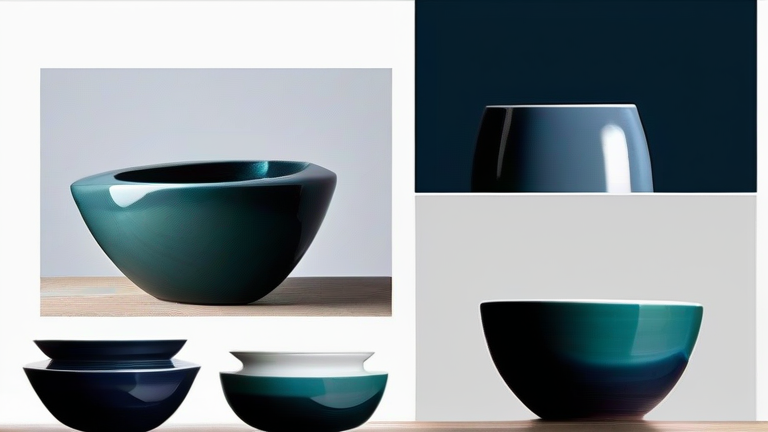
TL;DR: Yes, porcelain gifts can be both safe and stylish—choose certified lead-free, cadmium-free, and food-grade porcelain (look for FDA or California Prop 65 compliance) to avoid toxic glaze leaching. Prioritize minimalist, high-fired pieces (cone 10+) that are chip-resistant, and pair them with functional wellness items like tea sets or dinnerware for a health-conscious present.
Why Porcelain Matters for Health (Not Just Aesthetics)
Porcelain is a type of ceramic fired at extremely high temperatures (1,200–1,400°C), making it denser and less porous than stoneware or earthenware. This density is key: properly vitrified porcelain resists moisture absorption, which means less bacterial growth and fewer cracks where harmful substances can hide. However, not all porcelain is created equal. The risk comes from glazes—decorative finishes that may contain lead, cadmium, or other heavy metals to achieve bright colors or metallic sheens. When acidic foods (coffee, tomato sauce, citrus) contact these glazes, metals can leach into your meal. Over time, chronic lead exposure is linked to neurological and cardiovascular issues, while cadmium affects kidney and bone health. For a gift, always choose porcelain labeled “food-safe,” “lead-free,” or “cadmium-free,” and ideally one that meets Proposition 65 standards (California’s strict toxic chemical disclosure).
If you want to dig deeper, check out our guide on Why Liquid Gold: The Rise of Saffron in High-End Skincare.
Science-Backed Selection Criteria for Safe Porcelain
Before you buy, check three things. First, the firing temperature: high-fired (vitreous) porcelain is safer because it’s less likely to have surface micro-cracks. Second, the glaze finish: glossy, smooth glazes are better than matte or textured ones, which can contain metallic additives and are harder to clean. Third, the decoration placement: avoid painted designs on the inside rim or food contact surface—stick to exterior-only patterns. A 2020 study in the Journal of Environmental Health found that over 20% of imported ceramic mugs tested positive for lead leaching, even when labeled “decorative.” So, when gifting, opt for plain white or underglaze-decorated pieces from reputable brands that publish third-party lab results (e.g., Le Creuset, Emile Henry, or Japanese brands like Noritake).
Lifestyle Gift Ideas That Boost Daily Wellness
1. Porcelain Tea Set for Mindful Hydration: A high-fired porcelain gaiwan or teapot with matching cups encourages slow, ritualistic tea drinking—linked to reduced cortisol and improved focus. Pair with loose-leaf green tea (rich in L-theanine) for a stress-reducing gift. Ensure the set is lead-free, especially if the user will steep hot water, which increases leaching potential.
2. Porcelain Dinnerware for Portion Control: Gift a set of 8-inch plates (not 12-inch). Research from Cornell University shows that smaller plates reduce calorie intake by up to 22% without conscious effort. Choose a stone-white or light blue glaze—these colors contrast with food, enhancing satiety cues. Avoid dark red or yellow glazes, which may contain iron or cadmium pigments.
3. Porcelain Water Bottle or Infuser: A porcelain-lined steel bottle or a small porcelain infuser for herbal teas (chamomile, peppermint) provides a non-plastic, non-aluminum alternative. Unlike stainless steel, porcelain doesn’t impart metallic taste, and it’s inert, meaning no BPA or endocrine disruptors. For best results, select one with a silicone sleeve for grip and shock absorption.
Caring for Porcelain to Maintain Safety
Even the safest porcelain can become risky if damaged. Micro-cracks or crazing (fine spiderweb lines in glaze) create breeding grounds for bacteria and allow leaching. Advise the recipient to hand-wash porcelain—dishwasher detergents are abrasive and can erode glaze. Avoid thermal shock (e.g., placing a cold plate into a hot oven). If you see chips or cracked glaze, retire the piece
Leave a Reply