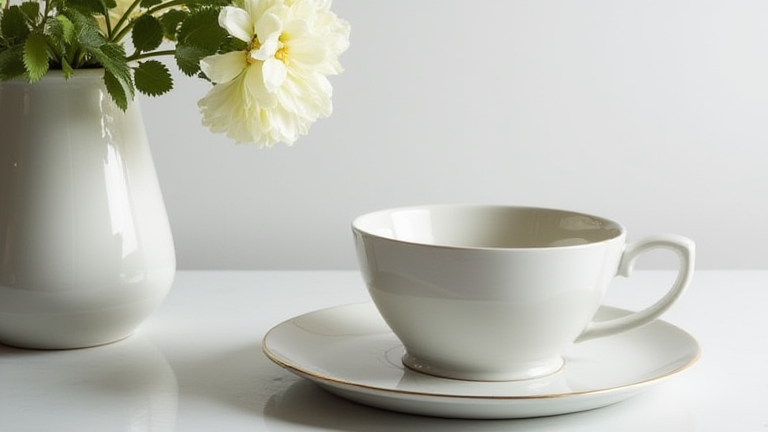
TL;DR: The best unique porcelain gifts are those that blend artistry with everyday utility—think hand-painted sushi sets, biological specimen jars, or miniature architectural tiles. Prioritize limited-edition pieces from local artisans or historical replicas to ensure the recipient gets something they’ve never seen in a chain store.
Step 1: Define the Recipient’s “Porcelain Personality”
Before browsing, categorize the person: Are they a minimalist (white matte, geometric), a maximalist (floral, gold rims), a collector (antique blue-and-white, celadon), or a functionalist (microwave-safe, dishwasher-proof)? This prevents you from buying a delicate hand-painted teacup for someone who only drinks espresso from a mug. Write down three adjectives they’d use for their ideal home décor—then stick to those.
If you want to dig deeper, check out our guide on 7 Shopify Store Setup Mistakes That Kill Your Conversion Rat.
Step 2: Explore 10 Unique Categories (Not Generic Mugs)
Here are ten specific, non-obvious gift directions. For each, ask the seller for the “maker’s story” to add a personal touch.
1. Porcelain Bookends shaped like vintage encyclopedias — perfect for a bibliophile. Look for hollow, hand-cast pieces with textured spines.
2. A “Specimen” Tea Set with botanical reliefs — each cup has a different raised fern or leaf pattern, not painted but sculpted into the clay.
3. Miniature Architectural Tiles — tiny, 2-inch porcelain tiles replicating famous doorways, windows, or staircases. Use as coasters or wall art.
4. A Porcelain Bell with a hand-painted internal clapper — the design is inside, so you only see it when ringing.
5. Sushi or Dim Sum Plates with asymmetrical “dip wells” — these have built-in grooves for soy sauce, not separate bowls.
6. A “Broken” Porcelain Repair Kit — not a finished piece, but a box of gold-lacquer (kintsugi) and raw porcelain shards for the DIYer.
7. A Perfume Diffuser Vessel shaped like a human ear — sculptural, weird, and functional.
8. Porcelain Desk Organizers that mimic folded paper — look like crumpled notes but are rigid, glazed weights.
9. A “Ghost” Dinnerware Set — white porcelain with translucent, unglazed sections that glow under candlelight.
10. A Custom Pet Portrait on a Porcelain trinket dish — commission an artist to paint the recipient’s pet inside a shallow dish.
Step 3: Check for “Hidden Craft” Markers
For unique value, look for three things on the base or rim: (a) a hand-painted signature or chop mark, (b) an irregular glaze drip (proves human hand), and (c) a firing date or edition number (e.g., “12/50”). Avoid pieces with uniform, machine-perfect edges unless they are contemporary studio ceramics. Ask the seller directly: “Is this slip-cast or wheel-thrown?”—wheel-thrown is rarer.
Step 4: Match the Gift to the Occasion (But Flip It)
Don’t buy a teacup for a wedding; buy a porcelain toast rack with a built-in egg cup. For a housewarming, skip vases—give a porcelain doorstop shaped like a sleeping cat. For a retirement, give a porcelain pen rest that looks like a bridge. The rule: choose an object that has a specific, unglamorous job (doorstop, bookend, paperweight) but is elevated by porcelain. That combination screams “thoughtful.”
Step 5: Verify Practicality Before Purchase
Ask three critical questions:
Leave a Reply