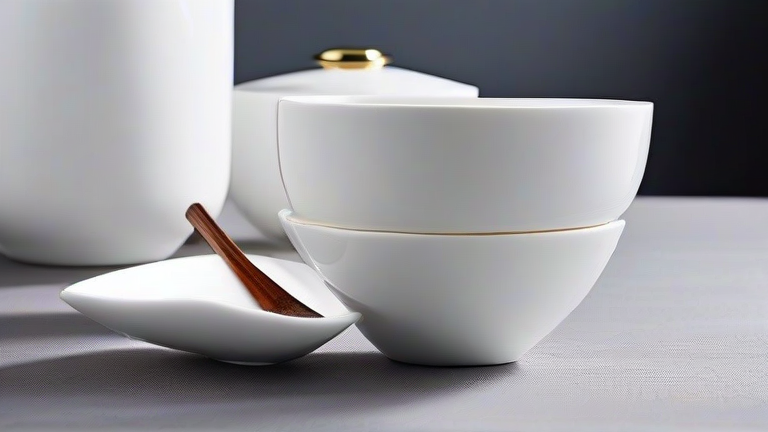
TL;DR: Choose porcelain gifts by balancing recipient lifestyle, decorative style, and functional use—prioritizing brands with high-fire durability and timeless glazes. Focus on 15 curated categories from tea sets to sculptural vases, verifying authenticity via translucency and ring test before purchase.
Step 1: Define the Recipient’s Daily Rituals
Before browsing, ask: Does the person drink tea daily, host dinner parties, or collect art? Porcelain gifts fall into three functional tiers—tableware (cups, plates), decor (vases, figurines), and heirloom pieces (serving bowls, ginger jars). For a minimalist, choose a single matte-white espresso cup set. For a maximalist, opt for hand-painted blue-and-white chargers. Write down their top two habits; this filters 80% of options instantly.
If you want to dig deeper, check out our guide on 10 Unique Porcelain Gift Ideas for Business Clients.
Step 2: Master the “Translucency + Ring” Test
True porcelain (not stoneware or bone china) is translucent when held to light—your fingers should cast a faint shadow through the wall. Tap the rim gently with a fingernail: a clear, bell-like ring that lasts 2–3 seconds indicates high quartz and kaolin content. Avoid pieces with a dull thud or chalky interior. For online purchases, request a video of the tap test from the seller.
Step 3: Select from These 15 Elegant Categories
Focus your search on these proven gift winners: (1) Yixing-style porcelain gaiwan sets, (2) scalloped-edge cake stands, (3) miniature trinket boxes with gold luster, (4) tall neck vases for dried botanicals, (5) ramen noodle bowls with chopstick rests, (6) covered vegetable tureens, (7) hand-painted demitasse cup pairs, (8) porcelain bookends shaped like classic tomes, (9) pierced lanterns for candlelight, (10) sushi plates with asymmetric glaze drips, (11) teapot warmers with built-in candle holder, (12) bud vases with irregular rims, (13) serving platters with negative space motifs, (14) porcelain bell jars for displaying treasures, and (15) nested mixing bowls with matte interior.
Step 4: Verify Craftsmanship Clues
Check the foot rim—it should be unglazed and slightly rough, revealing the white biscuit body. Look for consistent glaze thickness; no bubbles or pinpricks. If hand-painted, the blue or cobalt strokes should vary slightly in intensity (perfect uniformity signals decals). Ask the seller for the firing temperature: above 1300°C ensures non-porosity, meaning no hidden cracks from thermal shock.
Step 5: Match Finish to Home Decor
For modern interiors, choose high-gloss black or celadon crackle glaze. For farmhouse styles, select matte cream with visible kiln marks. For traditional rooms, classic famille rose (pink and green) or cobalt underglaze pairs well with wood and brass. If unsure, neutral ivory with a single gold band never fails—it bridges any aesthetic.
Step 6: Budget for the Box
Porcelain is fragile in transit. Always pay extra for double-wall corrugated packaging with foam inserts—never ship in a simple gift bag. For in-person giving, wrap each piece in acid-free tissue, then place in a rigid wooden or bamboo gift box; this doubles as a storage solution. Include a care card: hand-wash only, no microwave for gold-trimmed items.
Step 7: Final Quality Check Before Wrapping
Hold the piece at eye level and rotate slowly—look for hairline cracks under the glaze (often visible as dark lines). Run a wet finger across the rim; any catching indicates a chip. For sets, verify all pieces share the same batch number (stamped on the base) to ensure color consistency. When in doubt, choose a larger platter over a smaller cup
Leave a Reply