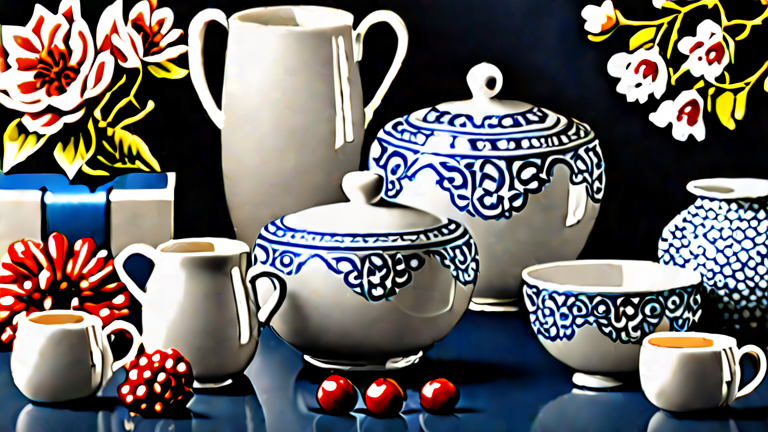
TL;DR: For a stunning porcelain gift, prioritize artisan-crafted pieces with unique glaze effects (like celadon or flambé) over mass-produced sets, and match the item’s function to the recipient’s lifestyle—from daily tea rituals to statement decor. Focus on provenance, finish quality, and versatility to ensure the gift feels both luxurious and personal.
1. Identify the Recipient’s “Porcelain Personality”
Before browsing, categorize the recipient: a tea connoisseur, a minimalist decorator, or a collector of hand-painted heirlooms. For tea lovers, choose a gaiwan or a lidded mug with a fine, unglazed rim (good for sipping). For decorators, select a sculptural vase with a matte, bone-white finish. For collectors, hunt for limited-edition pieces from a known kiln like Jingdezhen or Meissen. This step prevents the common mistake of gifting a dinner set to someone who only drinks espresso.
If you want to dig deeper, check out our guide on Top 10 Porcelain Gift Ideas for Health & Wellness Enthusiast.
2. Master the “Ring Test” for Quality
When you receive the gift (or inspect in-store), hold the piece by its base and tap the body gently with a fingernail. A clear, bell-like ring that lasts 2–3 seconds indicates high-fired porcelain (above 1300°C). A dull thud means low-quality earthenware or cracks. For online orders, ask the seller for a short video of the ring test before purchase. This is your single best non-visual quality check.
3. Prioritize “Underglaze” Over “Overglaze” for Durability
For functional gifts (plates, mugs, teapots), ensure the decoration is underglaze—painted before the final clear glaze is applied. This protects the pattern from scratching and food acids. Overglaze (painted on top) can wear off in a dishwasher. Check the product description for words like “under-glaze cobalt” or “high-fire pigments.” If uncertain, ask directly: “Is the blue pattern under the glaze?”
4. Choose “Reactive Glaze” for a One-of-a-Kind Look
Reactive glazes (e.g., copper-red, oil-spot, or crystalline) create unpredictable patterns during firing. This means no two pieces are identical—perfect for a gift that feels bespoke. Look for descriptors like “copper red reduction” or “tenmoku with iron crystals.” Avoid heavy, thick glazes on rims if the piece is for drinking; a thin, even glaze at the lip is a sign of master craftsmanship.
5. Match Size to Function—Not to Showcase
Stunning doesn’t mean oversized. A 12-inch charger plate is useless for a small kitchen. Instead, choose a personal-sized porcelain gift: a 6-ounce sake cup with a hand-painted koi, a 9-inch serving bowl for salads, or a 4-inch trinket dish for jewelry. Practical luxury always outperforms purely ornamental clutter. If you must give decor, pick a wall-mounted porcelain plaque (light, flat, easy to hang) rather than a heavy floor vase.
6. Verify “Lead-Free” and “Food-Safe” Certifications
For any piece that will touch food or drink, demand explicit confirmation. Look for “FDA food-safe” or “lead-free glaze” in the listing. Avoid vintage porcelain unless it’s certified—many pre-1970s pieces contain lead in the glaze. This is a non-negotiable step for gifting to households with children or pregnant individuals.
7. Wrap with Acid-Free Tissue, Not Bubble Wrap
Porcelain is hygroscopic—it absorbs moisture. When gifting, wrap each piece in acid-free tissue paper first (prevents scratches and chemical reactions), then secure in a rigid box with crumpled kraft paper. Never use bubble wrap directly against glazed surfaces; it can leave
Leave a Reply