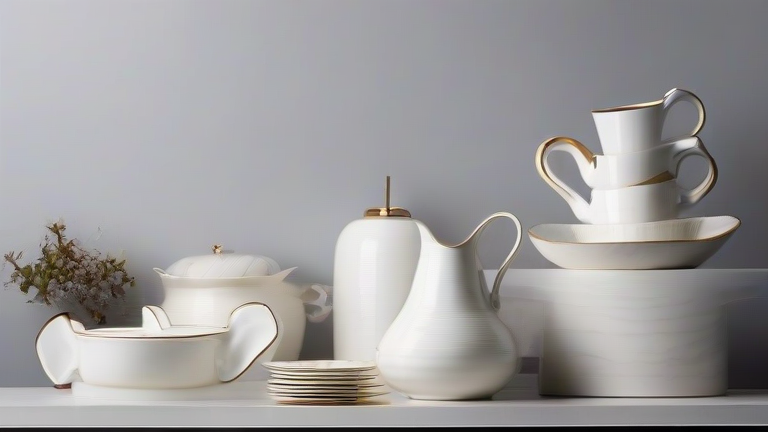
TL;DR: The best porcelain gifts balance beauty, utility, and personal meaning—think hand-painted tea sets, sculptural vases, or personalized dinnerware. Choose based on the recipient’s lifestyle: minimalists love plain white, while collectors prefer intricate floral or celadon finishes.
Step 1: Assess the Recipient’s Style
Before buying, note their home décor. Do they favor modern Scandinavian lines or traditional Chinoiserie? For contemporary spaces, opt for matte black or textured porcelain. For classic taste, choose cobalt blue underglaze or gold-rimmed pieces. This prevents gifting a piece that clashes with their shelves.
If you want to dig deeper, check out our guide on 10 Unique Porcelain Gift Ideas to Elevate Your Lifestyle.
Step 2: Pick a Functional Category
Porcelain gifts fall into three main groups: tableware (mugs, plates, teapots), decorative (vases, figurines, lamps), and ritual items (incense holders, tea ceremony sets). If they host dinners, a 6-piece dinnerware set wins. If they enjoy quiet mornings, a single artisan teapot is more intimate.
Step 3: Verify Authenticity and Craftsmanship
Look for “hard-paste porcelain” (fired at high temperatures) versus “bone china” (contains bone ash, more translucent). Check the base: fine pieces have a smooth, unglazed rim. Run your finger over edges—no rough spots. For painted items, ensure the pattern is under the glaze, not on top, so it won’t fade in dishwashers.
Step 4: Choose a Meaningful Pattern
Patterns carry symbolism. Peonies mean prosperity, cranes mean longevity, and blue willow tells a love story. If the gift is for a wedding, choose double happiness motifs. For a housewarming, pick a serene landscape. Avoid generic floral transfers; opt for hand-painted or limited-edition designs.
Step 5: Set a Budget and Source Ethically
Porcelain ranges from $25 mugs to $500 bespoke vases. Japanese Arita, German Meissen, and Chinese Jingdezhen are prestigious origins. For ethical gifting, search for small studios that list their kiln location and use lead-free glazes. Etsy and gallery websites often offer artist-direct pricing with gift wrapping.
Step 6: Consider Personalization
Add a monogram, a date, or a short poem on the base of a plate or the inside of a bowl. Many studios offer laser-etched or gold-painted custom text at no extra cost. This transforms a lovely object into a keepsake. Ensure the personalization is fired in, not just painted on the surface.
Step 7: Buy a Complementary Pair
Instead of a single item, pair two pieces—for example, a small vase with a matching trinket dish. This creates a visual story and doubles the perceived value. For couples, buy a pair of sake cups or two side plates with matching but not identical patterns.
Step 8: Inspect the Packaging
Porcelain is fragile. Confirm the seller uses double-wall corrugated boxes with form-fit foam, not just bubble wrap. If buying in-store, ask for a rigid gift box. Avoid thin cardboard sleeves—they crush in transit. A sturdy box is also reusable for the recipient’s future storage.
Step 9: Include a Care Card
Write a small note explaining the piece’s origin and care rules: hand wash only, no thermal shock (don’t put boiling water in a cold cup), and avoid metal utensils. This shows thoughtfulness and protects your gift from accidental damage. Laminate the card for longevity.
Step 10: Time the Delivery
Porcelain should not be shipped during extreme cold or heat—glaze can crack. If ordering online, schedule delivery for a Tuesday or Wednesday, not before a weekend when it might sit in a truck. For in-person gifting, present it with a
Leave a Reply