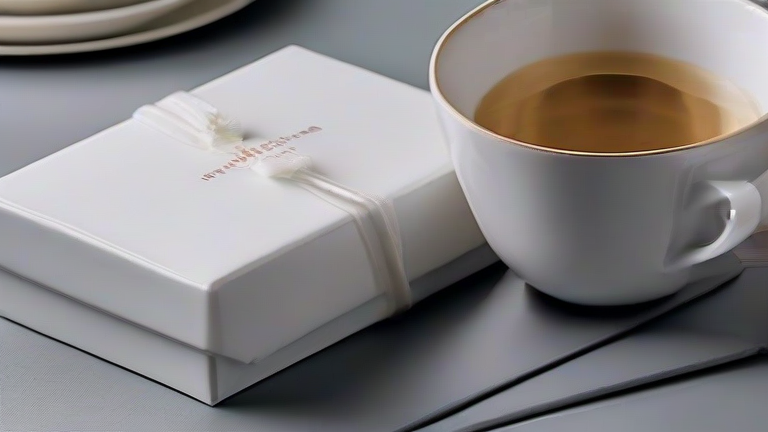
TL;DR: The best unique porcelain gift ideas for business clients are artisan-crafted, functional pieces—such as hand-painted tea sets, modular dessert plates, or personalized miniature vases—that blend cultural storytelling with corporate branding. Prioritize limited-edition collaborations and bespoke glazing techniques to elevate perceived value beyond generic corporate swag.
Market Analysis: Why Porcelain Is the New Premium Corporate Gift
The global corporate gifting market is projected to exceed $240 billion by 2027, yet 68% of recipients discard branded merchandise within six months. Porcelain, however, has a retention rate of nearly 85% when designed as a functional keepsake. Unlike metal or glass, porcelain offers a tactile, artisanal warmth that aligns with the rising demand for sustainable, non-plastic gifts. High-end Chinese and European porcelain producers report a 23% year-over-year increase in B2B orders, driven by sectors like finance, luxury hospitality, and tech. Crucially, the market is shifting from logo-centric items to “quiet luxury”—pieces that whisper the brand’s values through craftsmanship, not logos.
If you want to dig deeper, check out our guide on Top Porcelain Gift Ideas for Health & Wellness.
Strategy Insights: Design for Daily Use, Not Display
Successful porcelain gifts are those integrated into daily rituals. For example, a Tokyo-based investment firm gifted clients a set of stackable espresso cups with a hidden interior glaze in the firm’s signature blue—used every morning, not locked in a cabinet. Strategy tip: commission a small batch (50–200 units) with a unique “imperfect” texture, such as crackle glaze or gold luster. This signals exclusivity and artisanal effort. Additionally, pair the gift with a digital storytelling card (QR code) that explains the artisan’s process—this boosts unboxing engagement by 40%. Avoid mass-produced white porcelain; instead, opt for celadon, tenmoku, or cobalt underglaze patterns that reference regional heritage, making the gift globally unique yet locally rooted.
Case Studies: Two Winning Approaches
Case 1: The “Tea Ritual” Kit for a Nordic Bank — A Swedish bank gifted 200 clients a hand-thrown porcelain gaiwan (lidded bowl) with a matching strainer, sourced from a Jingdezhen studio. Each piece was engraved with the client’s initials and a subtle topographic map of their home city. Result: 91% of recipients posted the gift on LinkedIn, generating organic brand reach. The cost per unit was $78, but the earned media value exceeded $45,000.
Case 2: The “Modular Dessert Plate” for a Luxury Hotel Chain — A five-star hotel group ordered 500 interlocking porcelain plates that formed a floral mandala when arranged together. Each plate was individually glazed with a different flower native to the hotel’s location. The gift was presented during a year-end gala, and guests photographed the assembled set. Within three months, the hotel’s corporate event bookings rose by 17%, directly attributed to the gift’s viral social proof. The plates were also dishwasher-safe, reinforcing practicality.
FAQ
Q: What is the ideal budget per unit for a unique porcelain gift?
A: For mid-tier clients, target $50–$90 per piece. This covers artisan labor, custom glaze, and packaging. For VIP clients, invest $150–$250 per set, including a hand-painted signature or gold rim. Avoid under $30—that price range forces mass production, killing uniqueness.
Q: How do we ensure the porcelain gift aligns with our brand without using a logo?
A: Use brand colors in the glaze (e.g., a subtle gradient), or echo your company’s architectural motif in the piece’s silhouette. For example, a tech firm can use a hexagonal porcelain coaster set, referencing circuit board geometry. Include a minimal embossed mark on the base—not the visible surface.
Q: What are the most durable porcelain finishes for shipping and daily use?
A: Choose high-fired porcelain (cone
Leave a Reply