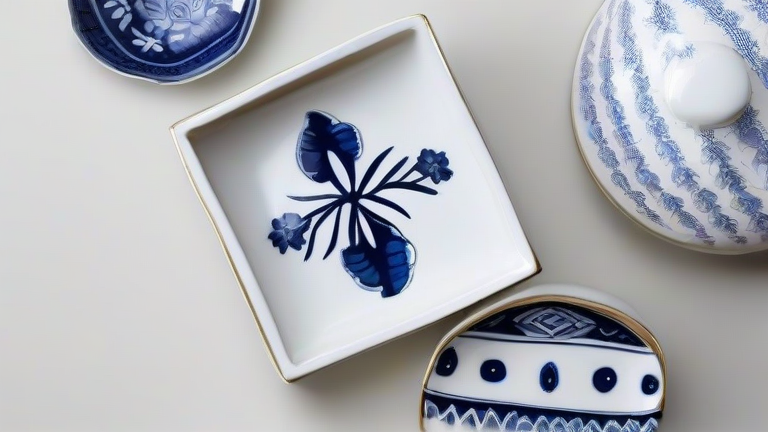
TL;DR: Transform plain white porcelain mugs or vases into unique gifts by sketching designs with pencil, painting them with specialized porcelain markers, and firing them in a kiln. This process allows for personalized, durable keepsakes that showcase your artistic creativity while preserving the elegance of the ceramic medium.
Introduction to Porcelain Painting
Creating painted porcelain gifts is a rewarding hobby that combines traditional craftsmanship with modern personalization. Whether you are making a custom wedding mug, a commemorative vase, or a set of elegant plates, porcelain offers a smooth, high-gloss canvas that holds color vibrantly. Unlike clay, which requires complex glazing processes, porcelain painting relies on specific pigments designed to bond with the fired surface. This guide is tailored for beginners who want to create professional-looking results without extensive prior experience. The key to success lies in patience, precise tool selection, and understanding the firing requirements for your chosen materials. By following these steps, you can produce gifts that are not only beautiful but also durable enough for daily use or long-term display.
If you want to dig deeper, check out our guide on Why Matcha Lattes Are Replacing Coffee in Urban Cafes.
Step 1: Preparation and Surface Cleaning
Begin by selecting high-quality, white porcelain items that are free from defects. Inspect each piece under good lighting to ensure there are no cracks, chips, or uneven glazing. Thoroughly wash the items with warm water and mild dish soap to remove any factory oils, dust, or fingerprints. Rinse them well and dry them completely with a lint-free cloth. Any residue left on the surface can cause the paint to bubble or peel during the firing process. Ensure your workspace is clean and organized, with all necessary tools within reach. This preparation phase is critical because a pristine surface ensures optimal adhesion for your design.
Step 2: Sketching Your Design
Using a soft graphite pencil, lightly sketch your intended design directly onto the porcelain. Keep the lines faint, as they will be covered by the paint but serve as a guide for your brushstrokes. You can transfer digital designs by printing them on transparent paper and tracing over them. Take your time with this step, as correcting errors on fired porcelain is difficult. Focus on simple, clean lines for your first attempts. Complex details can be challenging for beginners, so starting with floral motifs, monograms, or geometric patterns is advisable. Ensure the sketch is centered and balanced on the item’s visible surface.
Step 3: Applying the Paint
Select porcelain paint pens or underglaze paints that are compatible with your firing method. For beginners, porcelain paint pens offer control and precision, minimizing mess. Load the pen or brush with a small amount of paint. Apply the first layer thinly and evenly. Allow the paint to dry completely before adding more layers if necessary. Avoid overloading the brush, as this can lead to drips or uneven coverage. Work in small sections to maintain control. If you are using multiple colors, apply them one at a time and let each dry to prevent smudging. Clean your tools frequently to maintain line quality. Remember that colors may appear slightly darker when wet but will lighten slightly after firing.
Step 4: Firing and Finishing
Once your design is fully dry, the item must be fired to bond the paint permanently. Most home-friendly porcelain paints require a kiln firing at specific temperatures, typically between 1400°F and 1500°F, depending on the manufacturer’s instructions. If you do not have access to a kiln, consider using cold-paint options that cure at room temperature, though these are less durable. Follow the cooling cycle carefully to avoid thermal shock. After firing, the surface should be glossy and smooth. If desired, you can apply a clear protective glaze for extra shine and durability. Package your finished gift in bubble wrap and a sturdy box to protect it during transport.
FAQ
Q: Can I use regular acrylic paint on porcelain?
A: No, regular acrylic paint does not bond chemically with porcelain and will likely peel off after washing or firing. You must use specialized porcelain paints or underglazes designed for ceramics.</p
Leave a Reply