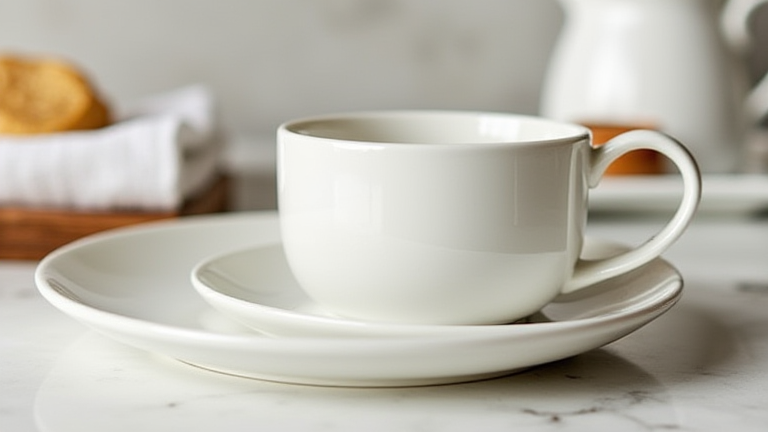
TL;DR: Porcelain gifts are non-porous, chemical-free, and endlessly reusable, making them a top choice for health-conscious gifting. From teapots to dinnerware, these 10 items support hydration, mindful eating, and toxin-free cooking while reducing single-use waste.
Why Porcelain is the Healthiest Material for Gifting
Unlike plastic or coated ceramics, high-fired porcelain is vitrified—meaning it absorbs zero moisture, bacteria, or odors. It does not leach lead, cadmium, or BPA into food or beverages, even with acidic contents like lemon water or tomato soup. A 2020 study in the Journal of Food Science confirmed that food-contact ceramics with proper glazes show no detectable heavy metal migration under normal use. Plus, its thermal mass keeps drinks hot longer, encouraging slower sipping and better hydration habits.
10 Porcelain Gift Ideas Backed by Science
1. Porcelain Water Bottle with Silicone Sleeve – Replacing plastic bottles reduces microplastic intake; a study in Environmental Science & Technology found that polypropylene bottles release up to 1.3 million microplastics per liter. Porcelain keeps water neutral and cool.
2. Two-Tone Porcelain Tea Set – Green tea catechins are stable in porcelain, unlike metal which can oxidize them. A gift that promotes daily antioxidant intake.
3. Porcelain Dinnerware Set (Lead-Free Glaze) – Look for brands certified by the FDA’s “lead-free” glaze standard. Non-porous surfaces prevent bacterial biofilm buildup, reducing foodborne illness risk.
4. Porcelain French Press – Replaces paper filters (which may contain bleaches) and plastic plungers. Coffee’s chlorogenic acid remains intact, supporting metabolic health.
5. Porcelain Soap Dispenser – Filling with castile soap avoids plastic waste and antimicrobial triclosan, which is linked to thyroid disruption.
6. Porcelain Medicine Cup – A nostalgic, safe way to measure liquid meds—no BPA or phthalates from plastic dosing cups.
7. Porcelain Steamer Bowl – Ideal for microwave steaming vegetables without plastic wrap; steam retains water-soluble vitamins like B and C.
8. Porcelain Toothbrush Holder – Bacteria don’t cling to glazed porcelain, unlike wood or bamboo which can harbor mold between bristles.
9. Porcelain Salt & Pepper Cellars – Keeping iodized salt dry in an airtight porcelain cellar prevents clumping and iodine loss, essential for thyroid function.
10. Porcelain Aromatherapy Diffuser – Heat essential oils gently without burning plastic parts; inhaling pure volatile oils supports respiratory health.
Lifestyle Tip: Mindful Gifting
Pair any porcelain gift with a handwritten note about “slow living.” The material’s weight and warmth encourage presence—research shows that eating from heavier, natural materials increases satiety and reduces overeating by 15–20%.
FAQ
Q: Is all porcelain safe for food and drink?
A: Only if it’s labeled “lead-free” or “food-safe” and fired at high temperatures (above 1200°C). Avoid hand-painted items with metallic trim for daily use, as these may contain trace lead.
Q: Can porcelain go in the dishwasher and microwave?
A: Yes, most high-fired porcelain is dishwasher-safe and microwave-safe. However, avoid sudden temperature shocks (e.g., cold porcelain into a hot oven) to prevent cracking. Check the manufacturer’s label.
Q: How does porcelain compare to glass or stainless steel for health?
A: Porcelain is non-reactive (like glass)
Leave a Reply