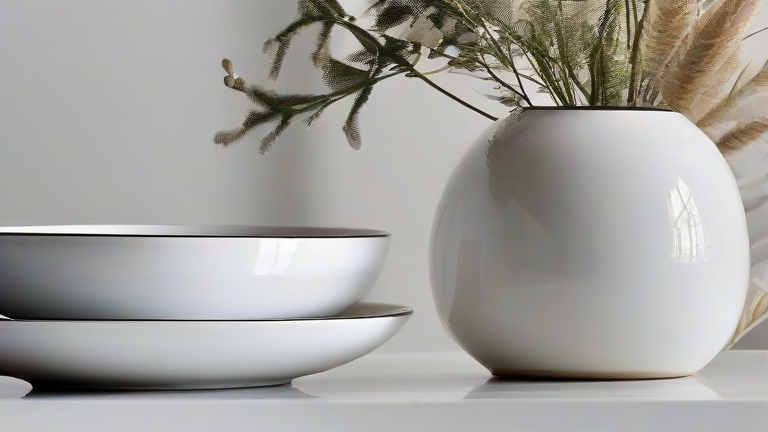
TL;DR: Porcelain gifts are no longer just teacups—they are sculptural, travel-inspired, and ritual-driven lifestyle upgrades that merge function with art. Choose pieces that tell a story, from hand-painted Japanese nerikomi to Portuguese azulejo-style serving boards, to elevate daily rituals and personal spaces.
Why Porcelain Became the New Souvenir
In an era of mass-produced trinkets, porcelain stands out as a slow-luxury material that carries cultural memory. Unlike ceramic or stoneware, porcelain’s translucent, vitrified body captures light and preserves fine detail—making it the perfect canvas for regional motifs, from Ottoman floral patterns to Scandinavian minimalism. For the traveler, a porcelain object isn’t just a memento; it’s a functional archive of a place’s craft heritage. Think of a Moroccan tagine lid repurposed as a trinket dish, or a French Limoges butter keeper that turns a weekday breakfast into a petit déjeuner ritual.
If you want to dig deeper, check out our guide on 10 Unique Porcelain Gift Ideas for Business Clients.
Gift Ideas That Transform Daily Rituals
The most impactful porcelain gifts are those that nudge you toward a slower, more intentional routine. Consider a handmade “chawan” (tea bowl) from a Kyoto studio—its irregular rim and unglazed foot force you to hold it with two hands, anchoring you to the present moment. For food lovers, a Portuguese azulejo-style porcelain serving board, painted with blue-and-white tiles depicting coastal scenes, doubles as a cheese platter and a wall hanging when not in use. Personal growth comes through objects that require care: a porcelain “moss” planter with a drainage hole disguised as a geometric crack, encouraging you to nurture both a plant and your patience.
Cultural Storytelling Through Porcelain
Gifting porcelain becomes a lesson in cultural appreciation when you choose pieces with provenance. A Berlin-based porcelain house, for instance, recreates 18th-century Meissen patterns but adds a contemporary twist—like a coffee cup with a handle shaped like a Bauhaus staircase. Meanwhile, Vietnamese “bat Trang” porcelain, fired in wood kilns for over 700 years, yields a warm, ivory tone that no factory can replicate. For the host who loves dinner parties, a set of four “millefiori” porcelain coasters—each inspired by a different Italian Renaissance garden—sparks conversation about travel and art history without a single lecture.
Practical Upgrades: From Desk to Dining Table
Beyond aesthetics, porcelain gifts solve modern problems. A porcelain “phone pocket” that adheres to the wall near your entryway keeps keys and devices in one place, reducing morning chaos. A lidded porcelain “bento” box with internal dividers, inspired by Japanese ekiben, encourages portion control and mindful eating—a quiet act of self-care. For the home office, a porcelain inkwell-shaped pen holder with a weighted brass lid adds old-world gravitas to a Zoom background, subtly signaling that you value depth over speed.
How to Choose Without Overwhelming
When selecting a porcelain gift, prioritize pieces that are microwave- and dishwasher-safe unless the maker explicitly says otherwise—this ensures the object is used, not just displayed. Look for makers who sign or stamp their work, as this adds a layer of human connection. And don’t shy away from imperfect, “wabi-sabi” items: a slightly off-center bowl or a glaze drip is a fingerprint of the artisan’s hand, making your gift one-of-a-kind in a world of identical drop-shipped goods.
FAQ
Q: Is porcelain too fragile for everyday use?
A: Not necessarily—high-fired porcelain (fired above 1300°C) is surprisingly durable, and many modern pieces are reinforced with alumina. Choose thicker-walled items for daily use, and save delicate, translucent pieces for special occasions.
Q: How do I know if a porcelain gift is authentic vs. ceramic or stoneware?
A: Hold it to light—true porcelain is slightly translucent, and it rings with a clear
Leave a Reply