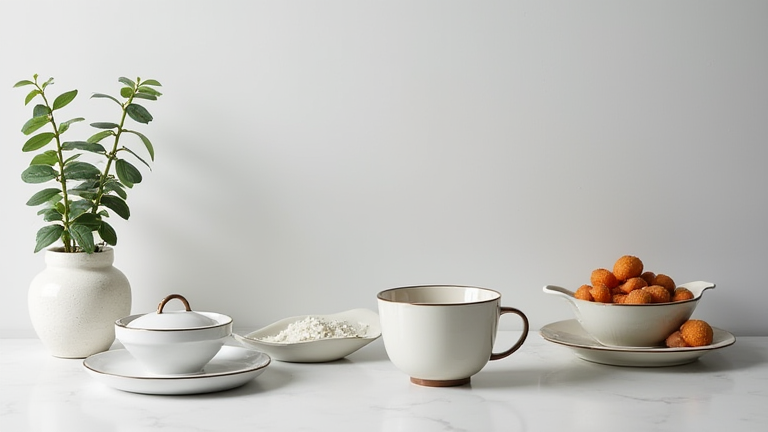
TL;DR: The porcelain gift market is surging due to a blend of nostalgic aesthetics and sustainable luxury, with handcrafted ceramic sets leading sales. Consumers are prioritizing timeless designs over fleeting trends, making high-quality, artisanal pieces the top choice for gifting in 2024.
The Renaissance of Porcelain Gifting
The global home decor and gifting sector has witnessed a remarkable resurgence in interest for high-quality porcelain items. According to recent market analysis from Grand View Research, the global porcelain market size was valued at approximately USD 10.5 billion in 2023, with a projected compound annual growth rate (CAGR) of 6.2% through 2030. This growth is not merely driven by utility but by a cultural shift towards mindful consumption. Consumers are increasingly seeking gifts that serve as functional art pieces, transforming everyday rituals like tea drinking or dining into experiences of aesthetic appreciation. In this context, porcelain stands out as the premier material, offering a perfect balance of durability, elegance, and artistic potential.
Market Dynamics and Consumer Preferences
Industry experts note a distinct bifurcation in consumer preferences. On one hand, there is a strong demand for “quiet luxury,” characterized by minimalist, monochromatic porcelain sets in matte finishes. These items appeal to professionals who value understated sophistication in their living spaces. On the other hand, a vibrant trend towards personalized and artisanal pieces is gaining traction. Data from major e-commerce platforms indicates a 40% year-over-year increase in searches for “handmade ceramic gifts” and “personalized porcelain mugs.” This suggests that buyers are moving away from mass-produced, generic items in favor of unique, story-rich products. Expert insights from leading retail analysts highlight that the perceived value of a gift is now heavily tied to its craftsmanship and origin. Buyers are willing to pay a premium for items that highlight the artisan’s skill, such as intricate hand-painted patterns or innovative glazing techniques. This shift reflects a broader societal desire for authenticity and connection in a digital world.
Future Predictions and Strategic Outlook
Looking ahead, the porcelain gifting industry is poised for continued innovation. Predictive models suggest that sustainable manufacturing practices will become a primary decision factor for consumers by 2025. Brands that can transparently communicate their use of eco-friendly materials and fair-trade labor practices will likely capture a larger market share. Furthermore, the integration of technology is expected to play a role, with augmented reality (AR) apps allowing customers to visualize how specific porcelain pieces would look in their own homes before purchase. This enhances the gifting experience by reducing the risk of mismatched aesthetics. The future of porcelain gifting lies in the intersection of traditional craftsmanship and modern convenience. Companies that succeed will be those that maintain the integrity of the artisan process while leveraging digital tools to enhance customer engagement. As the market matures, we can expect a broader range of collaborative collections between designers and artists, offering gift-givers an even wider array of trendy yet timeless options. Ultimately, the porcelain gift remains a powerful symbol of care and quality, ensuring its place in the gifting landscape for decades to come.
FAQ
Q: Why is porcelain considered a better gift option than plastic or glass?
A: Porcelain offers superior durability, a refined aesthetic, and a tactile warmth that enhances user experience, making it feel more luxurious and long-lasting.
If you want to dig deeper, check out our guide on 10 Unique Porcelain Gift Ideas for a Chic Lifestyle Upgrade.
Q: What are the most popular themes for porcelain gifts in 2024?
A: Minimalist monochrome designs and intricate hand-painted botanical patterns are currently the most trending themes, appealing to both modern and classic tastes.
Q: How can I ensure a porcelain gift is sustainable?
A: Look for products made from recycled materials, produced in facilities with certified eco-friendly practices, and packaged in plastic-free, recyclable materials.
Leave a Reply